
Planting
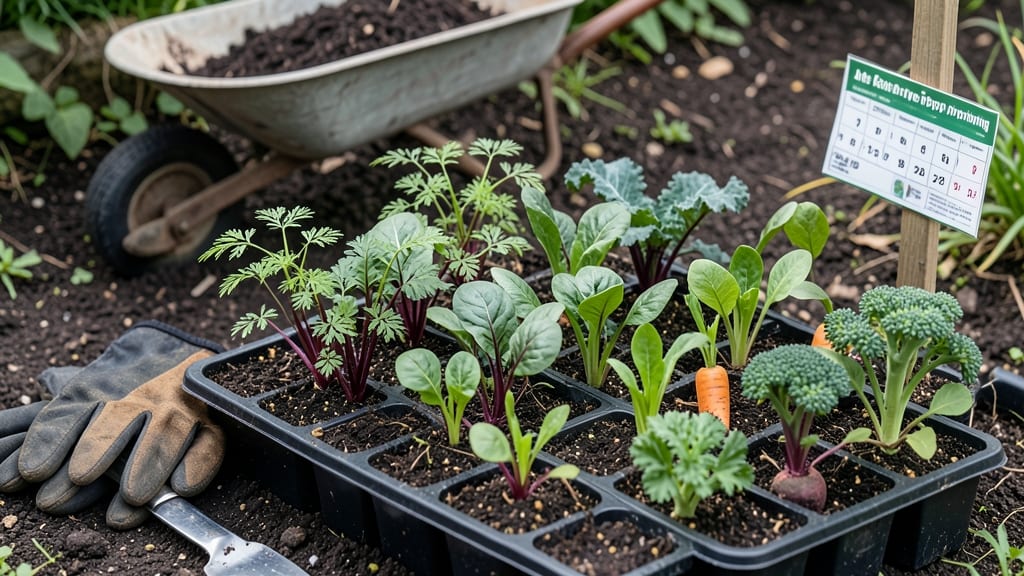
Planting a vegetable garden in Seattle means timing your spring crops just right—between late February and early May—to beat the last frost while avoiding the summer heat.
Seattle’s mild but unpredictable climate makes timing your vegetable garden critical—plant too early and risk frost damage, too late and miss the harvest window.
With USDA Zone 8a frost dates typically landing between March 15 and April 15, knowing when to start seeds indoors, transplant seedlings, and direct-sow outdoors is the key to a bountiful harvest.
Below, I break down the exact months for planting cold-hardy vegetables like kale, peas, and carrots, plus how to stretch your growing season with row covers and succession planting.
Seattle’s planting calendar: month-by-month schedule for cold-hardy vegetables
Seattle’s USDA Zone 8a climate offers a unique growing window—cool springs, mild summers, and damp falls. Unlike warmer zones, timing is everything here: last frost dates can vary by weeks, and soil temperatures below 50°F slow germination.
My planting schedule balances these factors to maximize your harvest while avoiding frost damage or wasted effort.
Key dates to remember: The average last frost in Seattle is around April 15, but microclimates near Puget Sound may see frost as late as May 1.
First frost typically arrives October 15–November 1. I’ll break down cold-hardy vegetables by month, including when to start seeds indoors, transplant seedlings, and direct-sow for optimal results.
For early spring planting, focus on cool-season crops like peas and spinach. These thrive in Seattle’s 40–50°F soil and can handle light frosts.
I recommend starting peas in January under row covers to jumpstart growth. Leafy greens like kale and lettuce also tolerate cold, making them perfect for January–February sowing.
By March and April, soil warms enough for broccoli, cabbage, and carrots. These crops benefit from direct sowing once temperatures stabilize above 50°F. I’ve had success transplanting broccoli seedlings in early March, but always check soil temps—cold soil can delay germination by weeks.
Summer brings heat-loving vegetables like tomatoes and peppers, but Seattle’s cool summers mean waiting until May 15–June 1 to transplant. Use black plastic mulch to raise soil temperatures and speed up growth. Succession planting is key here—sow green beans every 2 weeks from July to August for a continuous harvest.
Don’t overlook fall planting! September and October are ideal for kale, spinach, and radishes. These crops actually sweeten in cold weather and can be harvested well into winter. I’ve extended my harvests by 3–4 weeks using low tunnels or row covers after the first frost.
Pro tip: Seattle’s rainy season means adjusting watering routines. Most vegetables need 1–1.5 inches of water weekly, but container gardens dry out faster. I recommend drip irrigation or soaker hoses to avoid fungal diseases from overhead watering.
Always monitor weather forecasts for unexpected frosts. Even in <
How to adjust planting times for Seattle’s microclimates and unpredictable weather
Seattle’s diverse microclimates can shift planting windows by weeks—even within the same neighborhood. Urban areas like Ballard or Capitol Hill often stay 5-10°F warmer than rural spots like Snoqualmie Pass, while hillside gardens near Magnolia experience earlier frosts.
These variations mean your lowland garden might support tomatoes in June, while a hillside plot could still face frost in July.
Rainfall patterns add another layer of complexity. Seattle averages 57 inches annually, but spring showers can delay soil warming by 2-3 weeks, while summer droughts (yes, they happen!) may require adjusting irrigation schedules.
Sudden temperature swings—like 50°F mornings in September—can also catch gardeners off guard, turning a warm-weather crop like peppers into a frost casualty overnight.
⚠️ callout warning
Urban Heat Islands: Areas like Downtown or Pioneer Square may warm 3-5°F faster than suburbs—ideal for warm-season crops like cucumbers or beans 1-2 weeks earlier.
Hillside Gardens: Magnolia or Queen Anne slopes can see late frosts into mid-May; delay planting cold-sensitive crops until May 20 or use row covers.
Rainy Season Warning: March-April downpours can waterlog soil, stalling seed germination. Amend beds with compost or sand to improve drainage before planting carrots or peas.
To adapt, start by mapping your microclimate. Notice where frost forms first in your yard—often low-lying areas or north-facing slopes.
Use a minimum thermometer to track overnight temps, and group heat-loving plants like tomatoes and peppers in the warmest microclimate, typically the south-facing side of your home or fence.
Extend your growing season with season-extending tools. Row covers (like frost blankets) can push spring planting back by 3-4 weeks, while cold frames let you start greens in late summer for fall harvests.
For succession planting, sow fast-growing crops like radishes or lettuce every 2 weeks from April to August to ensure a continuous supply.
Watch for Seattle’s signature weather shifts. If a heatwave hits in June, mulch heavily to retain moisture for shallow-rooted crops like spinach. Conversely, if cool, wet weather lingers in July, switch to disease-resistant varieties of cucumbers or zucchini to avoid powdery mildew.
Adjust watering: Morning irrigation prevents fungal issues, and drip systems conserve water during unpredictable rain.
For high-value crops like tomatoes or eggplants, consider starting seeds indoors in March and transplanting after May 15, when soil temps reach 55°F. Use biodegradable pots to avoid root disturbance.
If a late frost threatens, have row covers and grow lights ready to protect young plants—Seattle’s May frosts are infamous for wiping out tender seedlings.