
Planting
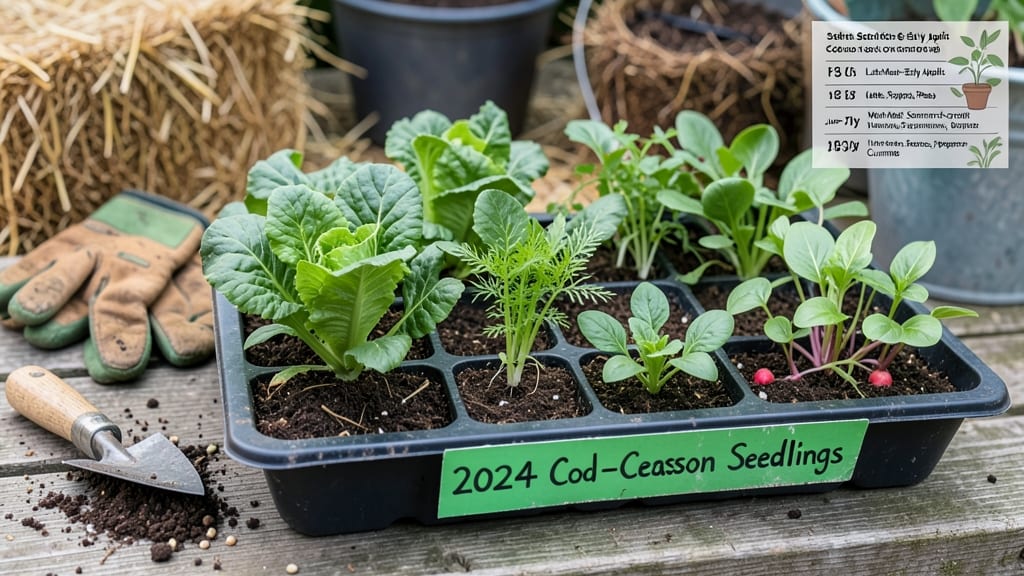
Planting a vegetable garden in Seattle between March 15 and April 15 sets you up for a thriving harvest—just as the last frost typically passes and soil warms enough for tender crops.
Seattle’s unpredictable weather can make or break your vegetable garden—planting at the wrong time means risking frost damage or stunted growth. But timing it right guarantees a bountiful harvest from spring greens to summer tomatoes.
With USDA Zone 8a conditions and microclimates ranging from the Puget Sound’s milder coastal air to inland areas with cooler nights, knowing the exact window matters. Start cool-season crops like spinach and kale earlier, while tomatoes and peppers need to wait until after May 15 to avoid chills.
Below, I’ll break down the ideal planting schedule, how to extend your season with row covers, and the Seattle-specific mistakes that trip up even experienced gardeners.
Seattle’s frost-free planting zones: when to start cool vs warm season vegetables
Seattle’s USDA Zones 8a-9a create a tricky balance for gardeners—cool maritime air lingers into May 15 (average last frost), while summer heat arrives abruptly. Warm-season crops like tomatoes and peppers need consistent warmth, while cool-season greens thrive in chilly soil.
Urban areas (like Ballard or Fremont) often warm 1-2 weeks earlier than rural spots near Snoqualmie Pass, so adjust accordingly.
Your planting timeline hinges on microclimates. Coastal neighborhoods near Lake Washington stay cooler longer, while inland areas (like Redmond) may see soil warm enough for tomatoes by late April.
Always check soil temperature—50°F+ for cool crops, 60°F+ for warm-season stars. A soil thermometer is your best friend here.
For cool-season vegetables, think spinach, kale, and peas. These thrive in 40-60°F soil and can handle light frosts. Start seeds indoors by February 15 for early transplants or direct-sow in March. Succession plant every 2-3 weeks until May 1 to ensure a continuous harvest.
My favorite trick? Use row covers to extend greens into June—they trap warmth while allowing light.
Warm-season crops like tomatoes and peppers demand consistent warmth. Wait until soil reaches 60°F+ (usually late May for most of Seattle). Urban gardeners in Ballard can plant 1-2 weeks earlier, but rural areas near Snoqualmie may need to delay until June 1.
Harden off seedlings for 7-10 days before transplanting to avoid shock from Puget Sound’s damp air.
Seattle’s microclimates create 1-2 week differences in planting times. Coastal areas (like West Seattle) stay cooler, while inland spots (like Bellevue) warm faster. Check local weather stations—King County’s AgWeatherNet is a game-changer.
For tomatoes, I’ve seen early June harvests in Redmond but July starts in Bremerton. Adjust your schedule based on your exact neighborhood.
Don’t overlook fall planting! After July 15, focus on cool-season crops again. Kale, carrots, and radishes planted in August can harvest into October or November. Use black plastic mulch to warm soil for late tomatoes
How to extend Seattle’s short growing season: succession planting & cold frames
Seattle’s cool, wet springs and early fall frosts can shrink your growing season—but smart strategies like succession planting and cold frames let you squeeze out extra harvests.
I’ve learned that staggered plantings of fast growers like radishes and lettuce keep my kitchen stocked from May through October, while cold frames push spring starts by 3-4 weeks.
For example, I plant baby leaf lettuce every 2 weeks from March until July, ensuring a steady supply without overcrowding. Meanwhile, cold-hardy herbs like parsley and cilantro thrive in early spring beds, while tender basil waits until after May 15—our average last frost date.
Row covers add another layer of protection for tomatoes and peppers during those infamous May chills.
- 📅 March 15: Sow spinach and peas—they tolerate light frost and mature quickly.
- 📅 April 1: Start lettuce and radishes every 2 weeks for continuous harvests.
- 📅 May 15: Plant warm-season crops like tomatoes and beans after hardening off seedlings.
- 📅 July 15: Succession plant bush beans and carrots for a late-summer harvest.
- 📅 August 15: Sow fall greens (kale, arugula) under row covers to protect from early frosts.
Cold frames are my secret weapon for early starts. I use them to germinate cold-sensitive seeds like cucumbers and squash in late February, giving them a 2-week head start before transplanting.
A simple wooden frame with clear plastic (or even a repurposed aquarium lid) traps heat during the day and insulates at night. Just remember to ventilate on warm days to prevent overheating—75°F is the upper limit for most seedlings.
For May chills, I rely on floating row covers to shield tender seedlings. These lightweight fabrics let in light and rain while raising temperatures by 5-10°F.
I’ve used them to save tomato plants during 32°F dips, though I always remove them during the day for pollination (bees need access!). Pair row covers with black plastic mulch to warm the soil faster—a combo that’s extended my tomato season by 3 weeks.
Herbs are another easy win for succession planting. I rotate cilantro and dill every 3 weeks from April through September, harvesting outer leaves to encourage regrowth. Meanwhile, parsley and chives thrive in cold frames or under shade cloth during summer’s heat.
The key is small batches—overplanting leads to bitter flavors and wasted space.
Don’t forget about fall extensions! After your first frost, I cover kale and carrots with low tunnels (hoop houses) to keep producing until November. Even broccoli and cauliflower can survive light frosts, becoming sweeter after a 28°F dip.
With these tricks, I’ve turned Seattle’s 165 frost-free days into a near-year-round harvest—one that rivals warmer climates.