
Planting
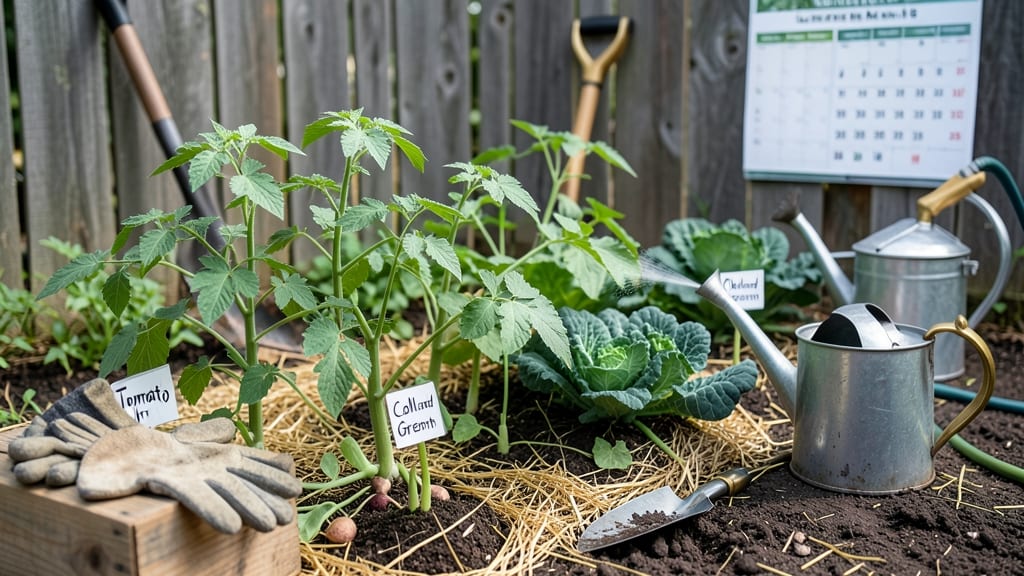
Planting a vegetable garden in Mississippi at the right time means the difference between a thriving harvest and a wilted disappointment—especially in USDA Zone 8a, where heat and humidity demand precision.
Mississippi’s long, hot summers and mild winters create a unique growing season—planting your vegetable garden at the wrong time can mean wilted dreams instead of a bountiful harvest.
Timing is everything, especially in USDA Zones 7B and 8A, where heat-tolerant crops like okra, peppers, and sweet potatoes thrive when sown at the perfect moment.
Cool-season crops like lettuce and peas need to hit the soil 4–6 weeks before your last frost (around mid-March), while warm-season favorites like tomatoes and squash wait until 2–3 weeks after frost—typically late March to early April.
Get this wrong, and you’ll either bake your seedlings or freeze your harvest.
Below, I break down the exact planting windows for Mississippi’s best vegetables, regional tweaks for soil and microclimates, and how to stretch your growing season with smart succession planting. Let’s turn those hot, humid months into your garden’s peak performance.
Mississippi vegetable planting calendar: best months for heat-loving crops
Mississippi’s 220 frost-free days give gardeners a long window to grow vegetables, but timing is critical. Cool-season crops like lettuce and peas thrive in early spring and fall, while heat-loving varieties such as okra and sweet potatoes demand summer’s warmth.
Missing the ideal planting window by even a few weeks can mean stunted growth or poor yields—especially in USDA Zones 7B and 8A, where summer heat can be brutal.
To maximize your harvest, I’ve broken down the best months to plant for Mississippi’s most productive vegetables, accounting for soil temperatures, frost dates, and heat tolerance.
Whether you’re a beginner or a seasoned gardener, this calendar ensures you sow seeds and transplants at the perfect time for bountiful, stress-free growth.
📅 Key Dates to Remember:
- Last frost date: March 15 (varies slightly by region)
- First frost date: November 15
- Peak summer heat: June–August (ideal for heat-lovers like peppers and tomatoes)
- Cool-season window: February–April and September–October
For spring planting, focus on cool-season crops like lettuce, spinach, and peas in February–March. These vegetables tolerate cooler temperatures and can handle light frosts, making them ideal for early-season gardens. Direct-sow seeds 4–6 weeks before your last frost date (March 15) for the best results.
If you’re using transplants, wait until soil
How to adjust planting times for Mississippi’s microclimates and soil conditions
Mississippi’s diverse landscapes—from the humid coastal plains to the Delta’s intense heat—mean one-size-fits-all planting advice won’t work. Your North Mississippi garden in Zone 7B might thrive with early spring plantings, while South Mississippi’s Zone 8A can handle late-summer sowings.
Even within cities, urban microclimates can delay frost by weeks compared to rural areas.
Soil plays an equally critical role. Clay-heavy soils in the Delta retain moisture but bake hard when dry, while sandy coastal soils drain too quickly. Adjusting your planting schedule based on these factors can mean the difference between a flourishing garden and a failed crop.
Let’s break down how to fine-tune your timing for your specific corner of the Magnolia State.
⚠️ callout warning
Don’t rely solely on monthly planting guides. Use a soil thermometer—most warm-season crops need soil temps of 65°F+ to germinate. In North Mississippi, wait until mid-April; in the Delta, you might start as early as late March. Cool-season crops like lettuce and peas can handle 50°F+ soil, but frost risk lingers until March 15 in most areas.
🌱 Pro Tip: Test soil moisture too—clay soils stay cold longer even when air temps rise.
For urban gardeners in cities like Jackson or Biloxi, container gardening offers flexibility. Smaller pots warm up faster in spring, letting you plant tomatoes or peppers 2–3 weeks earlier than in-ground gardens. Just ensure containers have drainage holes to prevent root rot from Mississippi’s frequent summer downpours.
If you’re dealing with clay-heavy soil common in the Delta, raised beds are a game-changer. They warm up quicker in spring and improve drainage, letting you plant warm-season crops like okra and sweet potatoes as early as late March.
Fill beds with a mix of native compost and sandy loam to mimic ideal conditions for heat-loving plants.
Extend your harvest with succession planting, a must for Mississippi’s short growing windows. After harvesting early spring greens like spinach, replant with bush beans or cucumbers in late May.
For fall, sow kale or collards in August—they’ll mature before first frost around November 15. This strategy maximizes your garden’s productivity when summer heat would otherwise shut it down.
Don’t overlook shade variations. A north-facing spot in your yard might stay 10–15°F cooler than a south-facing bed, delaying planting by 1–2 weeks. Use shade cloth in peak summer to protect heat-sensitive crops like basil or lettuce, letting you grow them in extended seasons when other gardeners can’t.
By accounting for your local microclimate, soil type, and container advantages, you’ll turn Mississippi’s challenges into opportunities for a longer, more productive growing season. Start with soil tests, adjust your calendar, and watch your garden thrive—even in the heat! 🌿