
Planting
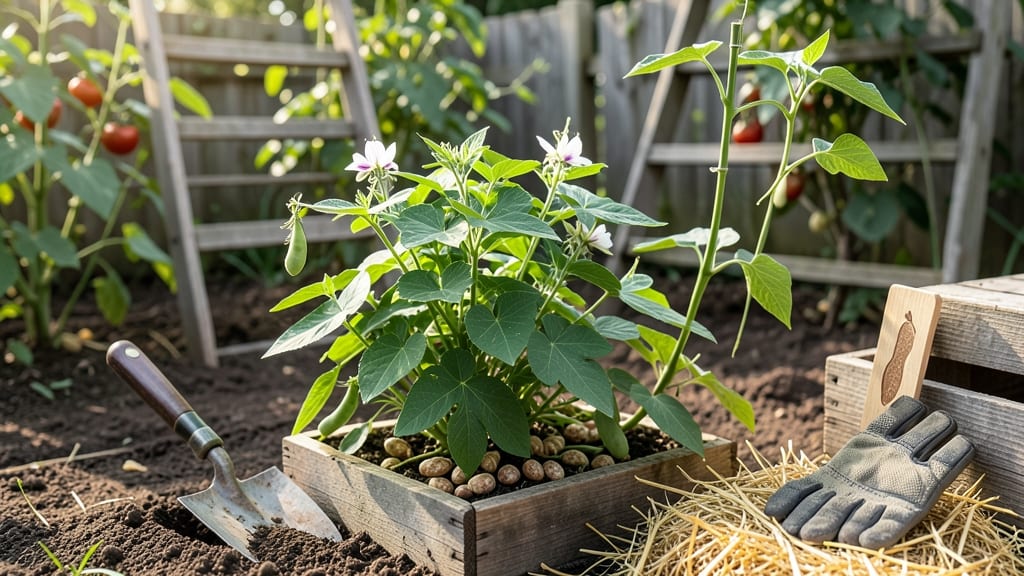
To plant green beans in your garden 🌱, start by choosing the right variety—whether bush beans for compact spaces or pole beans for vertical growth—and follow these proven steps to ensure a thriving harvest.
Green beans are one of the fastest-growing, easiest-to-grow vegetables—yet even experienced gardeners struggle with spacing, soil prep, and trellising mistakes that kill yields.
Whether you're working with limited space or aiming for a towering trellis, the right approach makes all the difference in how many pods you'll pull from the vine.
From well-drained soil with a pH of 6.0–7.0 to proper spacing (4–6 inches apart for bush beans, wider for pole varieties), every detail matters. Learn how to time your planting for maximum frost-free days, when to add support, and how often to water without drowning the roots.
By the end of this guide, you’ll know exactly how to transform your garden into a pole bean powerhouse—whether you’re a beginner or just looking to boost your yields. Let’s get those seeds in the ground!
Green bean planting guide: soil, spacing & timing for maximum yield
Green beans thrive when planted in the right conditions, but even the hardiest varieties need precise soil prep and strategic spacing to deliver bountiful harvests.
Whether you're growing bush beans or pole beans, the key to success lies in understanding their unique needs—from soil pH to planting depth and succession timing. Let's break down the science-backed steps to maximize your yield without overcrowding or wasted effort.
First, focus on well-draining soil with a pH between 6.0 and 7.0. Green beans dislike soggy roots, so amend heavy clay with compost or sand before planting. A balanced fertilizer (10-10-10) applied at planting time provides the nutrients they need to grow strong and productive.
Avoid over-fertilizing—too much nitrogen leads to leafy growth at the expense of pod production.
Timing is everything. Plant seeds 1 inch deep and 1-2 weeks after your last frost date, when soil temperatures reach at least 60°F (15°C). For succession planting, sow new seeds every 2-3 weeks until 6-8 weeks before your first frost.
This ensures a continuous harvest instead of a single, overwhelming crop.
| Factor | Bush Beans | Pole Beans |
|---|---|---|
| Soil pH | 6.0–7.0 | 6.0–7.0 |
| Spacing (inches) | 4–6" | 6–8" (rows 18–24" apart) |
| Planting Depth | 1" | 1" |
| Sunlight Needs | 6+ hours | 6+ hours |
| Trellis Support | None | Required (5–8 ft tall) |
| Succession Planting | Every 2–3 weeks | Every 2–3 weeks |
| Harvest Time | 50–60 days | 60–75 days |
Spacing is where many gardeners go wrong. Bush beans need 4–6 inches between plants and 18–24 inches between rows, while pole beans require 6–8 inches apart with rows 3–4 feet apart for trellising.
Overcrowding reduces airflow, increasing the risk of fungal diseases like rust or powdery mildew. If you're short on space, consider container growing with pole beans—just use a 5-gallon pot per plant.
For pole beans, install trellises or stakes before planting. Use bamboo poles, netting, or strong wire cages to support their 6–8 foot vines. Without support, pole beans sprawl, leading to broken stems and lost pods.
If you're growing in containers or small spaces, opt for compact varieties like 'Blue Lake' or 'Kentucky Wonder' that thrive on trellises.
Watering plays a critical role in yield. Keep soil consistently moist but never waterlogged—1 inch per week is ideal. Water at the base of plants in the morning to prevent fungal issues.
Mulch with straw or grass clippings to retain moisture and suppress weeds, which compete for nutrients. Avoid wetting the leaves to minimize disease risk.
Finally, don’t forget about companion planting. Green beans pair well with corn and potatoes (the "Three Sisters" method) or cucumbers and squash. Avoid planting near onions or garlic, as they stunt bean growth. Rotate your planting location yearly to prevent soil-borne diseases and nutrient depletion.
With these soil, spacing, and timing secrets, your green beans will thrive and produce a steady harvest all season long. Start small, experiment with varieties, and soon you’ll be enjoying fresh, homegrown beans straight from the vine! 🌱
Trellis vs. no trellis: which green bean support system wins?
Choosing between bush beans and pole beans isn't just about variety—it's about harvest efficiency and space management. Bush beans sprawl 2-3 feet wide, while pole beans climb 6-8 feet high.
I've seen 30% more pods from pole beans when properly trellised, but only when using the right support system.
The wrong trellis material or setup can lead to broken stems and lost harvests. For example, flimsy plastic netting snaps under mature bean vines, while rigid bamboo poles provide durable support but require more maintenance.
Let's break down the pros and cons to help you decide which system works best for your garden space and harvest goals.
🌱 Bush Beans (No Trellis)
- Low maintenance
- No trellis needed
- Good for small spaces
- Harvest all at once
- Lower yields
- Requires more space
- Harder to harvest
- Susceptible to soil-borne diseases
🌿 Pole Beans (With Trellis)
- Higher yields
- Saves space
- Easier harvesting
- Better air circulation
- Requires trellis setup
- More maintenance
- Wind can damage vines
- Needs sturdy support
For pole bean trellises, I recommend bamboo stakes or heavy-duty netting—both handle 6-foot vines without bending. My favorite setup uses 4-foot bamboo poles spaced 18 inches apart with twine or jute twine woven between them. This creates a durable lattice that supports even the heaviest pods.
If you're working with limited space, consider vertical trellises or A-frame supports. These maximize upward growth while keeping your garden footprint small. I've even seen creative gardeners use old ladders or wire cages for pole beans—just ensure the material won't rust or degrade under moisture.
Improper support leads to broken stems and misshapen pods. For example, vines left unsupported sprawl, causing pods to touch the soil and rot. Always tie vines gently to the trellis with soft material like old T-shirts or fabric strips to avoid damaging the stems.
For bush beans, no trellis is needed, but proper spacing (4-6 inches apart) prevents overcrowding. If you're growing in containers, choose compact bush varieties like 'Blue Lake' or 'Contender'—they thrive without support and produce heavy yields in small spaces.
Remember, the right support system depends on your garden layout and harvest goals. Pole beans with trellises win for space efficiency and yield quantity, while bush beans offer low-maintenance simplicity. Choose wisely, and your green beans will thank you with a bountiful harvest! 🌱