
Plants
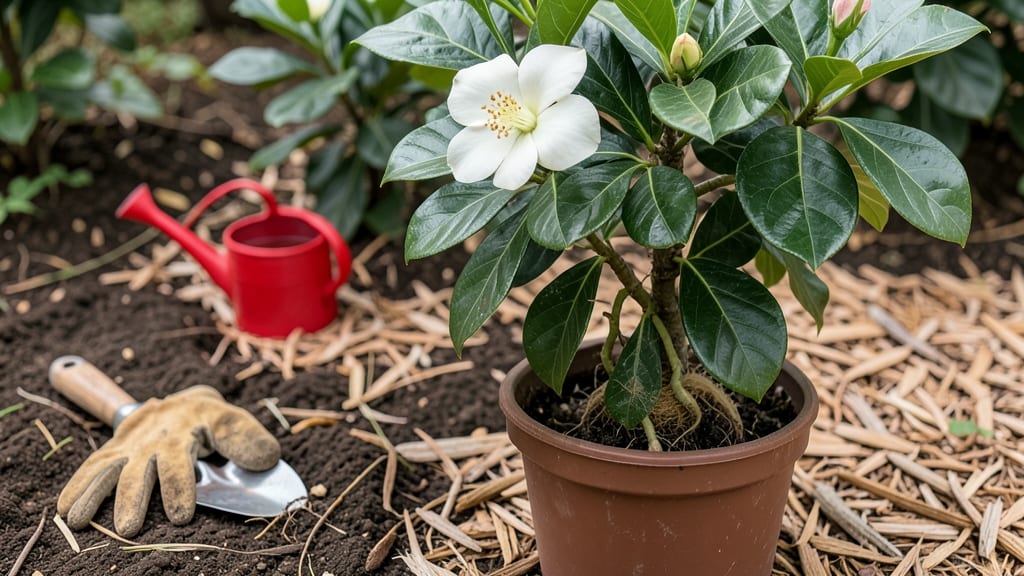
Plant gardenias in Texas between February and April for spring blooms or September and October for fall planting, timing that avoids frost while maximizing root establishment.
Texas gardeners know the struggle—plant gardenias too early, and a late frost can wipe out your blooms; too late, and you miss the full growing season. Timing is everything for these fragrant favorites, and mastering it means lush, fragrant gardenias year after year.
In USDA Zones 8a-10b, the key is beating the last frost (which hits North Texas in mid-February and South Texas by January 1). Fall planting gives roots time to settle before winter, while spring planting ensures blooms by summer. Both strategies work, but the window is narrow.
Below, I break down the best months by region, how to prep soil for Texas heat, and which gardenia varieties thrive here—so you can enjoy those iconic 🌸 blooms without the frost risk.
Optimal planting months for gardenias in Texas (by region)
Texas gardenias thrive when planted at the right time, but the perfect window varies dramatically across North, Central, and South Texas. In North Texas (Zones 7b-8a), late frosts can linger until mid-February, while South Texas (Zones 9a-10b) often sees frost-free conditions by early January.
Central Texas (Zone 8a) falls somewhere in between, with frost risks tapering off by late January. Timing your planting ensures your gardenias establish strong roots before summer’s brutal heat or winter’s chill sets in.
For most Texas gardeners, the ideal planting months are February through April (spring) or September through October (fall). Spring planting gives gardenias time to root before summer’s heat, while fall planting allows them to establish before winter dormancy.
However, Central Texas’s intense summer heat (often exceeding 100°F) makes late spring planting risky unless you’re prepared for extra shade and water. Let’s break down the best strategies for each region.
| Region | USDA Zone | Last Frost Date | Best Planting Window | Key Considerations |
|---|---|---|---|---|
| North Texas | 7b-8a | Mid-February | March–April (spring) or September (fall) | Avoid late frosts; mulch heavily for winter protection. |
| Central Texas | 8a-8b | Late January | February–March (spring) or September–October (fall) | Provide afternoon shade in summer; water deeply 2x/week. |
| South Texas | 9a-10b | Early January | January–February (spring) or September (fall) | Heat-tolerant varieties preferred; monitor for fungal issues in humidity. |
In North Texas, where frosts can linger into March, I recommend waiting until late March or early April to plant gardenias. The soil should be at least 60°F to encourage root growth.
If you’re eager to plant earlier, opt for container gardening—you can move pots indoors if a late frost threatens. For Central Texas, the window is slightly wider: February through March is ideal for spring planting, while September to early October works for fall.
This region’s intense summer heat demands extra care, like daily watering and afternoon shade.
For South Texas gardeners, the frost-free season starts earlier, so you can plant as early as January. However, summer’s oppressive heat (often paired with 90% humidity) means gardenias need consistent moisture and well-draining soil to avoid root rot.
If you’re in Zone 10b, consider heat-tolerant varieties like ‘Radicans’, which handle the climate better than traditional gardenias. Fall planting in South Texas is also a great option, as cooler temps in September and October reduce stress on new plants.
One common mistake I see is planting gardenias too late in spring. By May, Texas summers are already sweltering, and young gardenias struggle to establish roots in 100°F+ soil. If you miss the spring window, don’t despair—fall planting is almost as effective.
Gardenias planted in September or October have time to root before winter dormancy, often producing bigger blooms the following spring. Just avoid planting in November, as cooler temps slow root growth.
Pro tip: Acidic soil (pH 5.0–6.0) is non-negotiable for gardenias. Before planting, amend your soil with peat moss or sulfur to lower the pH. In North Texas’s alkaline soils, this step is especially critical.
After planting, apply a 2–3 inch layer of mulch to retain moisture and regulate soil temperature. In Central and South Texas, where evaporation is rapid, mulch also helps keep roots cool during summer’s peak heat.
If you’re transplanting potted gardenias, do it on a cloudy day or in the evening to reduce transplant shock. Water deeply before and after planting, and avoid fertilizing for the first 4–6 weeks—new plants need time to adjust to their new home. In North Texas, I
How to prepare gardenia plants for Texas heat and humidity
Texas summers bring 90°F+ temperatures and 90% humidity, creating a double-edged sword for gardenias. These tropical beauties love warmth but wilts under scorching sun and rots in soggy soil. The key? Mimicking their natural shaded, moist rainforest habitat while protecting them from our intense heat waves.
With the right prep, your gardenias will reward you with glossy leaves and fragrant blooms all season long.
Start with well-draining, acidic soil (pH 5.0-6.0) mixed with 50% organic matter like compost or pine bark. Gardenias hate alkaline soil, which causes yellowing leaves and poor blooming. Amend your native Texas clay by adding 2-3 inches of peat moss or sulfur to lower the pH naturally.
Test your soil before planting—many Texas gardens are naturally alkaline (pH 7.5+), which will stress your gardenias.
⚠️ callout-warning
Mulch is your secret weapon against Texas heat. Apply 3-4 inches of organic mulch (pine straw, cypress mulch, or shredded bark) around the base of your gardenia.
This retains moisture, regulates soil temperature, and suppresses weeds that compete for water. Dark mulches (like cypress) absorb heat—opt for lighter-colored mulches in USDA Zone 9b-10b (South Texas) to keep roots cooler. Replenish mulch annually to maintain its protective layer.
Watering gardenias in Texas requires precision timing and depth. Water deeply 2-3 times per week during summer, delivering 1-2 gallons per plant each time. Morning watering (before 8 AM) prevents fungal diseases like powdery mildew, which thrives in Texas humidity.
Avoid shallow, frequent watering—this causes weak roots and root rot. Instead, soak the soil until water drains from the bottom of the pot (if container-grown) or runs out of drainage holes.
Prune gardenias after flowering (late summer/early fall) to shape the plant and encourage next year’s blooms. Remove dead, diseased, or crossing branches with sterilized pruners to prevent bacterial infections. Never prune in spring—this removes next year’s flower buds.
For Texas’s heat, trim back overly leggy growth to improve airflow, reducing humidity-related stress. Sanitize pruners with rubbing alcohol between cuts to avoid spreading anthracnose, a common fungal issue in our climate.
Fertilize gardenias every 6 weeks during growing season (March-September) with an acid-loving plant fertilizer (6-10-10 NPK). Stop fertilizing in October to allow roots to harden off for winter. Over-fertilizing causes leaf burn and salt buildup, which is deadly in Texas’s intense heat.
For potted gardenias, flush the soil with water every 2 months to remove excess salts. Pair fertilization with a monthly application of iron chelate—Texas’s alkaline soil often causes iron deficiency (yellow leaves with green veins).