
Planting
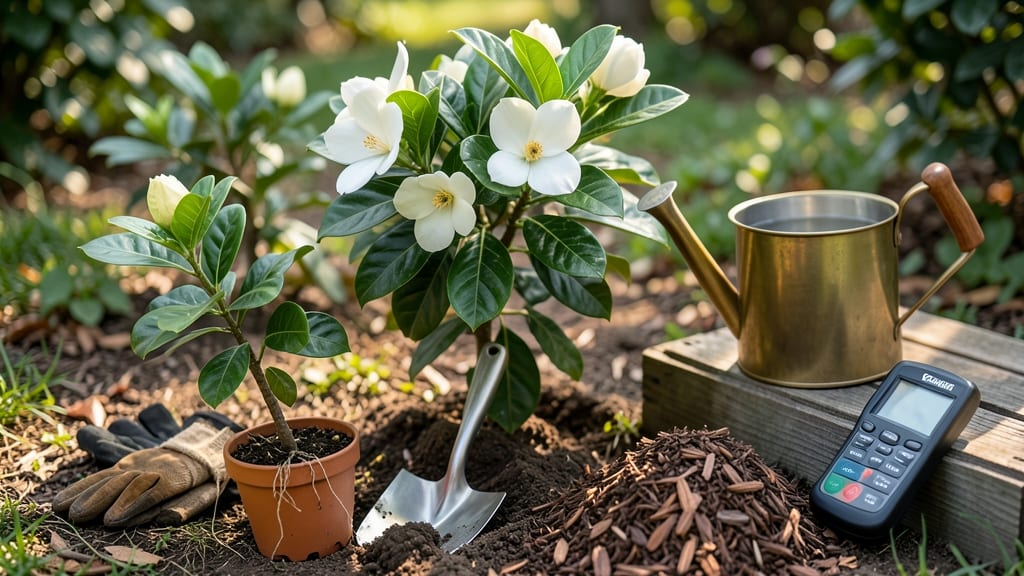
The best time to plant gardenias is after your last frost in April or May—when soil warms and humidity rises—so they can establish roots before summer’s brutal heat arrives.
Struggling to keep your gardenia blooming year-round in Southern heat? Timing your planting could be the secret weapon you’ve overlooked—plant at the wrong time, and you’ll battle weak growth, sparse flowers, and heat stress.
Southern gardenias thrive when planted in spring, but the real trick is heat acclimation. Too much sun too soon sends roots into shock, while late-season plantings risk stunted blooms before winter sets in.
Below, I’ll break down the month-by-month Southern planting window, soil prep secrets, and how to protect your gardenia from transplant shock—so you can enjoy those fragrant 🌸 blooms from June through September.
Southern gardenia planting timeline: month-by-month heat resistance guide
Planting your gardenia at the right time in the South isn’t just about avoiding frost—it’s about surviving the 90°F+ heat that follows. In USDA zones 7-10, the wrong timing leads to transplant shock, leaf scorch, and missed bloom seasons.
I’ve learned the hard way that gardenias planted in peak summer often struggle to establish before the next heatwave hits.
Southern gardenias thrive when planted during cooler transition months, giving roots time to establish before summer’s intensity. The key is balancing temperature, humidity, and rainfall patterns to minimize stress.
For example, a Florida gardenia planted in June faces 95% humidity but also daily afternoon thunderstorms, while a Texas gardenia in the same month battles dry heat and soil compaction.
Here’s your month-by-month breakdown for USDA zones 7-10, including heat acclimation tips to prevent transplant shock and align blooms with Southern seasons.
| Month | USDA Zones 7-8 | USDA Zones 9-10 | Heat Tip |
|---|---|---|---|
| February | ❌ Avoid (frost risk in Zone 7) | ✅ Ideal (60-75°F) | Acclimate slowly if moving from nursery |
| March | ✅ Best (50-70°F) | ✅ Best (65-80°F) | Mulch heavily to retain moisture |
| April | ✅ Best (60-80°F) | ⚠️ Late April (heat stress risk) | Shade cloth for first 2 weeks |
| May | ⚠️ Early May (80-90°F risk) | ❌ Avoid (peak heat) | Deep watering at dusk |
| June | ❌ Avoid (90°F+) | ❌ Avoid (100°F+) | Only transplant container-grown |
| September | ✅ Second Best (75-85°F) | ✅ Second Best (80-90°F) | Prune lightly to reduce stress |
| October | ✅ Good (60-75°F) | ✅ Good (70-85°F) | Fertilize lightly for root growth |
For USDA zones 7-8, March and April are your golden windows. In Zone 7, late March offers 50-70°F temperatures and higher humidity, reducing transplant shock. I’ve seen gardenias planted in early April bloom by June with proper mulching and drip irrigation.
In Zones 9-10, the window shifts slightly earlier. February through March provides 60-75°F conditions, ideal for root establishment before summer’s 100°F+ heat. A Texas gardenia I planted in late February thrived with 50% shade cloth for the first month, avoiding the June heatwave entirely.
If you must plant in summer, opt for container-grown gardenias with established root systems. These handle 90°F+ temperatures better but still need daily afternoon shade and deep watering at dusk. I’ve had success with August plantings
How to acclimate gardenias for Southern heat: pre-planting checklist
Southern summers can be brutal for gardenia plants, but with the right acclimation process, you can ensure your shrubs thrive instead of wilting. The key lies in gradual heat exposure and soil preparation—both critical for preventing transplant shock during peak heat months.
I’ve learned that skipping these steps often leads to yellowing leaves and stunted growth, even with the hardiest varieties like Gardenia jasminoides.
Start your heat hardening process 4-6 weeks before transplanting. This means moving potted gardenias outdoors progressively, beginning with 2-3 hours of morning sun and increasing exposure daily. The goal is to let your plant adapt to Southern humidity and intense sunlight without sudden shock.
I always begin this process in late April for USDA zones 8-10, ensuring they’re ready by May planting time.
While acclimating, mulch heavily around the base with 3-4 inches of pine bark or cypress mulch to retain moisture and regulate soil temperature. I’ve found that gardenias planted in June or July without this prep often suffer from root rot due to overheated soil.
Always water early morning to prevent fungal diseases like powdery mildew, which thrives in Southern humidity.
After transplanting, prune lightly to encourage bushier growth—focus on removing dead or crossing branches. This reduces stress and helps the plant redirect energy to root establishment rather than supporting excess foliage.
With these steps, your gardenias will not only survive Southern heat but bloom prolifically from June through September. 🌸