
Planting
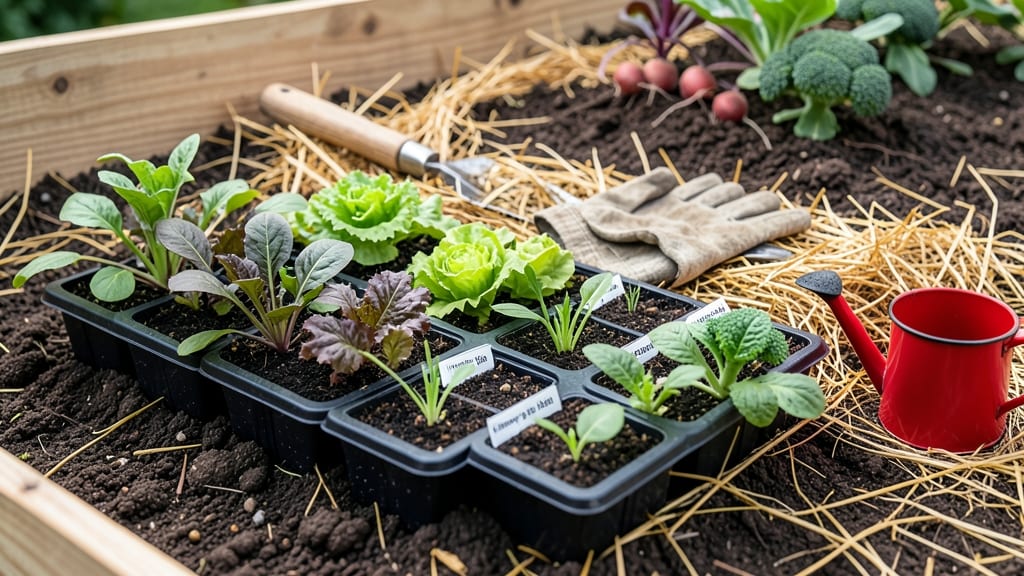
Planting a fall garden in South Texas starts 4-6 weeks before December’s rare frost—typically in August or early September—when the brutal summer heat finally backs off just enough to let seeds germinate.
South Texas’s brutal summer heat makes fall gardening a game-changer—but planting at the wrong time can mean wilted dreams before harvest. Timing is everything, and these exact planting windows will help you beat the lingering heat and grow a thriving 🥬 garden in USDA Zones 9a-10a.
Most gardeners in South Texas wait until mid-August to sow heat-tolerant crops like okra and sweet potatoes, but the real secret is succession planting—staggering seeds every 2-3 weeks through October to keep your harvest going long after the first chill arrives.
In this guide, you’ll find the exact months to plant, which crops thrive in South Texas’s mild winters, and how to prepare your soil for a fall garden that outlasts the competition. Let’s get those seeds in the ground before the window closes!
Optimal planting months for South Texas fall crops by heat tolerance
South Texas’s fall gardening season begins when summer’s brutal heat finally eases—but timing is everything. The key is understanding heat tolerance thresholds for your crops. Plant too early, and you’ll battle wilting; too late, and you’ll miss the 60-75 day harvest window before potential frost.
In USDA Zones 9a-10a, this means starting as early as late July for heat-lovers like okra, or waiting until mid-September for cooler-weather crops like kale.
Your soil temperature is your best guide. Most fall crops thrive when soil cools below 85°F. In Houston and San Antonio, this typically happens by mid-August, while the Rio Grande Valley may need to wait until late August.
Use a soil thermometer to verify—planting when soil is still hot stresses seedlings and slows growth.
Here’s the critical transition period you can’t miss: August 15-September 15. This window separates heat-tolerant crops (like sweet potatoes and cowpeas) from heat-sensitive varieties (such as lettuce and broccoli). Miss it, and you’ll either scorch tender greens or watch fast-growing heat-lovers bolt before harvest.
Don’t let last frost dates fool you—South Texas rarely sees frost, but cool snaps in December can damage tender crops. For Zone 9a (Houston/San Antonio), aim to harvest heat-sensitive crops by November 15, while Zone 10a (Rio Grande Valley) gardeners can push harvests into mid-December.
Use row covers or cold frames to extend seasons if needed.
Pro tip: Succession planting is your secret weapon. For example, sow radishes every 2 weeks from August through October to ensure a steady harvest. This works especially well for fast-growing crops like bush beans or turnips, which mature in 30-50 days.
Staggered plantings also help manage pest pressure—aphids and cabbage worms thrive on continuous crops.
Your watering strategy shifts dramatically in fall. During August-September, deep water every 2-3 days to combat residual heat stress. As temperatures drop in October, reduce to every 3-5 days, focusing on early morning irrigation to prevent fungal diseases.
Mulch with straw or shredded leaves to retain moisture and moderate soil temps.
One common mistake? Overlooking microclimates. A shady corner in your yard might stay cooler by 5-10°F than the sunny garden bed, creating a perfect spot for heat-sensitive greens like lettuce. Similarly, elevated beds warm up faster—ideal for early okra or sweet potato plantings
Top 5 heat-tolerant fall vegetables for South Texas gardens
When South Texas’s summer heat lingers well into September, most gardeners panic—but the right heat-tolerant vegetables can thrive in these conditions. These five fall crops are my go-to choices for extending harvests without wilting under 100°F temperatures.
Their secret? Deep roots, waxy leaves, and rapid growth cycles that outpace the heat.
For best results, plant these varieties 4-6 weeks before your average first frost date (December 15th in most of South Texas). This timing gives them enough time to mature before temperatures drop below 50°F. Let’s dive into my top performers and how to grow them like a pro.
🌱 Best Heat-Tolerant Fall Vegetables for South Texas
- 1. Okra – Plant July-August, 1/2" deep, 18" apart. Thrives in 90°F+ with full sun. Pair with peppers to deter pests.
- 2. Sweet Potatoes – Start slips June-July, 1" deep, 12" spacing. Needs hot soil (>80°F) and consistent water. Companion: corn or beans.
- 3. Malabar Spinach – Sow August-September, 1/4" deep, 12" apart. Handles 95°F with partial shade in peak heat. Avoid planting near fennel.
- 4. Black-Eyed Peas – Direct sow late August, 1" deep, 4-6" spacing. Prefers 75-90°F and well-draining soil. Plant near okra for pest control.
- 5. Cowpeas – Sow July-September, 1" deep, 6-8" apart. Fixes nitrogen and tolerates drought. Great with tomatoes for soil health.
Okra is my top pick for South Texas fall gardens because it loves the heat and produces pods for weeks. Plant seeds 1/2 inch deep in well-draining soil, spacing them 18 inches apart to allow airflow.
Mulch with straw to retain moisture and suppress weeds—critical when temperatures hover above 95°F.
Sweet potatoes, another heat-loving superstar, need hot soil to germinate. Start slips (young plants) in June-July and give them 12 inches of space. These tubers thrive in sandy loam and benefit from drip irrigation to avoid fungal issues. Plant near corn to create a natural trellis effect.
For leafy greens, Malabar spinach is a game-changer. Unlike traditional spinach, it doesn’t bolt in heat and grows faster when temperatures stay above 80°F. Sow seeds 1/4 inch deep in partial shade during September to avoid scorching. Harvest leaves as needed—they regrow quickly!
Legumes like black-eyed peas and cowpeas are nitrogen-fixing powerhouses, improving soil health while producing edible pods. Sow seeds 1 inch deep in well-composted soil and keep them consistently moist but not soggy. These crops handle light drought better than most, making them ideal for South Texas’s unpredictable rains.
Pro tip: Use shade cloth (30-50%) over seedlings during peak afternoon heat (2 PM–5 PM) to prevent stress. This simple trick can double your yield for heat-sensitive varieties like Malabar spinach. Pair these crops with marigolds to deter pests naturally—my garden’s secret weapon!