
Pruning
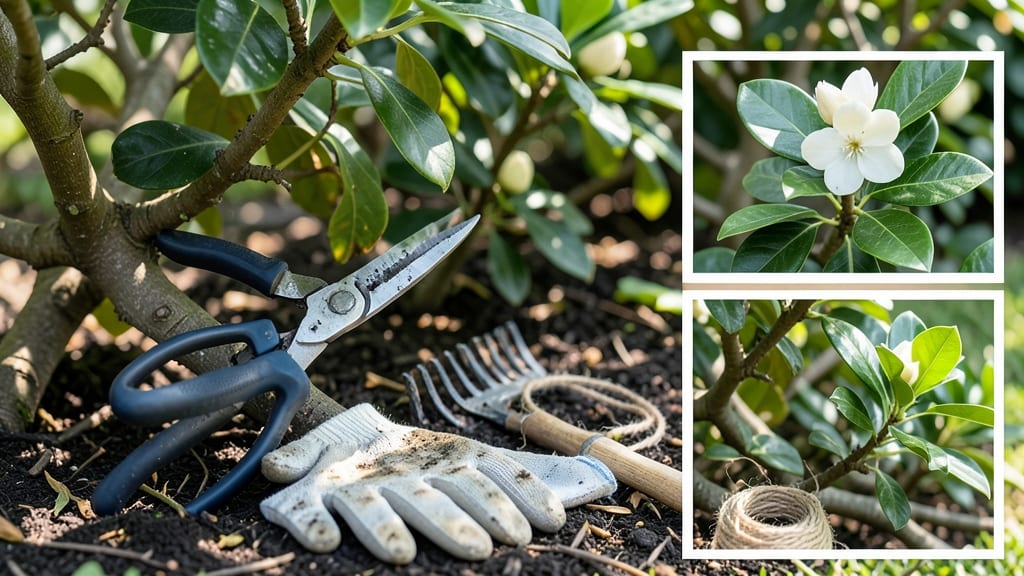
To prune gardenias in Georgia for stronger blooms and healthier growth, late winter—just before buds swell—is the perfect window.
Georgia’s humid summers and mild winters create the perfect climate for gardenias—but timing your prune wrong can mean fewer blooms and weaker plants. Mastering the late-winter pruning window transforms your gardenia into a fragrant, bushy powerhouse.
Most gardeners in USDA zones 7b-8b should prune between mid-February and early March, avoiding late frosts that can damage fresh cuts. This timing aligns with the plant’s natural dormancy cycle, ensuring it rebounds with vigor for spring blooms.
In this guide, I’ll walk you through the exact steps to prune your gardenias, how to spot mistakes, and what tools you’ll need for the job. Let’s get your gardenia 🌸 ready to shine!
Best time to prune gardenias in Georgia’s climate zone
Georgia’s humid subtropical climate (USDA Zones 7b-8b) makes late-winter pruning the golden window for gardenias. Pruning at the right time—just as buds form but before spring growth—stimulates healthier blooms and prevents frost damage.
In coastal Georgia, milder winters allow pruning as early as mid-February, while Piedmont regions should wait until late February to early March to avoid late frosts.
Timing matters because gardenias bloom on new wood, meaning pruning too late delays flowering. Conversely, cutting too early—before buds swell—can shock the plant. The key is aligning your prune with dormancy break but before active growth begins.
This ensures your gardenia redirects energy into lush foliage and fragrant blooms all summer.
Here’s how Georgia’s microclimates affect timing:
| Region | Best Pruning Window | Why This Timing? | Avoid |
|---|---|---|---|
| Coastal (Savannah, Tybee Island) | Mid-February to early March | Warmer winters mean less frost risk; prune when buds swell but before leaf-out. | Pruning after March 15 (last frost date). |
| Piedmont (Athens, Macon) | Late February to early March | Cooler nights delay bud break; wait until after last frost (typically March 1) to prune. | Cutting before February 20 risks frost damage to fresh cuts. |
| North Georgia (Dalton, Blue Ridge) | Early to mid-March | Higher elevations have later last frosts (March 15+); prune only after consistent 50°F nights. | Pruning before March 10 risks killing new growth. |
Look for buds the size of a pencil eraser as your cue—this signals the plant is waking up but hasn’t yet committed to spring growth. In coastal areas, these buds appear in early February, while Piedmont gardenias may not show them until mid-February.
If you’re unsure, wait until you see 1-2 swollen buds on a branch.
Georgia’s mild winters can fool gardeners into pruning too early. I’ve seen well-meaning gardeners trim in January, only to watch their gardenias produce fewer blooms that season. The plant’s energy goes into healing cuts instead of blooming.
Always check the 10-day forecast for frost warnings—if temps dip below 32°F, delay pruning until after the threat passes.
Another pro tip: Prune on a dry, overcast day to reduce stress. Wet leaves or bright sun can shock the plant, especially after a heavy cut.
I like to schedule my pruning for a Monday morning—this gives the plant a full weekend to recover before the workweek’s heat sets in.
After pruning, feed your gardenia with an acid-loving fertilizer (like 6-6-6 NPK) to support new growth. Avoid high-nitrogen fertilizers—they promote leafy growth at the expense of fragrant blooms. Water deeply but keep the soil moist, not soggy, to prevent root rot during Georgia’s humid spring.
If you miss the late-winter window, don’t panic. You can lightly prune in early spring (April) to shape the plant, but expect fewer blooms that year. The ideal timing is non-negotiable for maximum fragrance and bloom density—think of it as your gardenia’s spring reset button.
For large gardenias (4-6 ft tall), plan to remove 1/3 of the oldest wood to encourage new growth. Smaller varieties (2-3 ft) only need light shaping. Always use sterilized pruners to prevent fungal diseases like powdery mildew, which thrives in Georgia’s humid air.
🌸
Step-by-step late-winter pruning guide for healthier blooms
Late-winter pruning is your secret weapon for bountiful gardenia blooms in Georgia. When done right, it removes dead wood, shapes your shrub, and spurs vigorous new growth—just in time for spring’s warmer days.
But timing matters: prune too early, and you risk frost damage; wait too long, and you’ll miss the optimal growth window.
Your goal is to encourage strong branches while preserving the plant’s energy reserves. Gardenias bloom on new wood, so pruning in late winter—after the last frost date (typically mid-March in Georgia)—gives your shrub time to recover and flower by summer.
Let’s get started with the right tools and techniques.
- 🔧 Gather Your Tools: Sharp bypass pruners for clean cuts, sterilized shears (soak in rubbing alcohol), and gloves (gardenias have thorns!). Avoid dull tools—they tear branches and invite disease.
- ✂️ Remove Dead or Diseased Wood: Start by cutting out brown, brittle branches and any with black spots or mold. These sap-suckers drain your plant’s energy. Make cuts 1/4 inch above a leaf bud or branch collar.
- 🌱 Thin Out Crowded Branches: Aim for an open, vase-like shape. Remove branches growing inward or crossing—this improves airflow and reduces fungal risks. Never remove more than 1/3 of the plant at once.
- 📏 Shape for Balance: Trim overly long branches to maintain your gardenia’s natural form. Cut just above a leaf node or outward-facing bud to encourage growth in the right direction. Avoid cutting back to bare wood.
- 🌸 Encourage New Growth: Lightly prune outer growth to stimulate lush foliage and blooms. Focus on the outer third of the plant—this is where next year’s flowers will form. Avoid heavy pruning near current bloom buds.
- 🧹 Clean Up: Rake up and dispose of pruned debris (don’t compost diseased wood). Sterilize your tools with rubbing alcohol to prevent spreading pathogens to other plants.
- 💧 Post-Pruning Care: Water deeply but lightly to avoid stressing the plant. Apply a balanced, acidic fertilizer (6-6-6 NPK) in 4-6 weeks to support new growth. Mulch around the base to retain moisture.
Pro tip: Label your cuts with small flags if you’re unsure which branches to prune. This helps you visualize the plant’s structure before making decisions. Gardenias respond beautifully to gentle, strategic pruning, so take your time—rushing leads to uneven growth or missed blooms.
After pruning, step back and admire your renewed gardenia shape. With the right cuts, you’ll see thicker foliage and more blooms by summer. Just remember: less is more—over-pruning stresses the plant and delays flowering.
Now grab your tools and give your gardenia the care it deserves for a show-stopping season! 🌸