
Planting
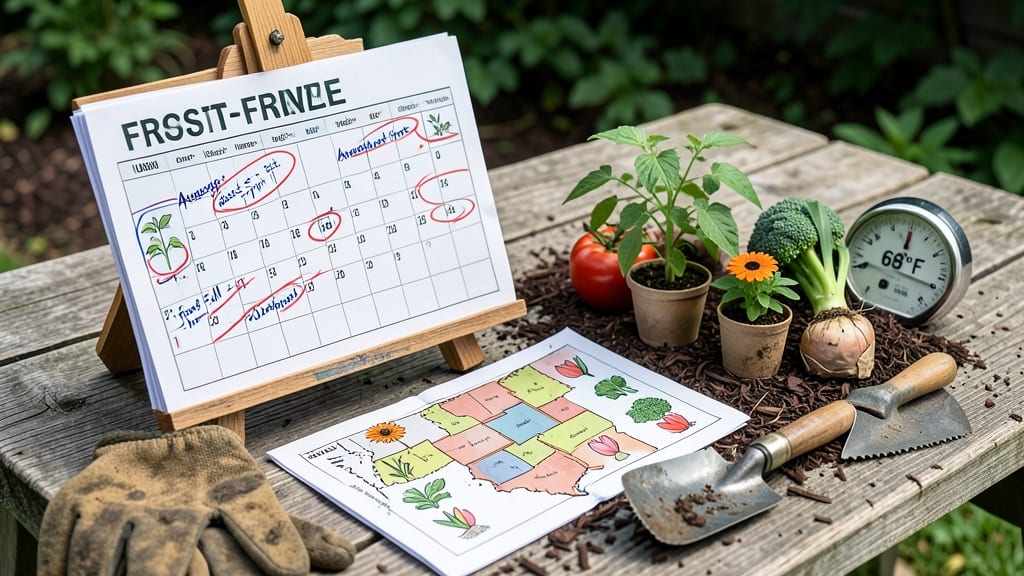
Planting a garden in Ohio means timing your seeds to avoid frost, and the right window depends on whether you’re in the chilly north or the milder south.
Ohio’s unpredictable spring weather can turn your gardening dreams into a gamble—unless you know the exact frost-free dates for your zone. Planting too early risks frost damage, while waiting too long shortens your growing season.
Here’s how to time your garden perfectly: start cool-season crops like spinach and peas indoors by late February in the south or March in the north, then transplant after the last frost, usually mid-April to early May.
Warm-season plants like tomatoes and peppers need soil that’s at least 50°F before going in, which in Ohio typically means late April to mid-May—but we’ll break down the zone-specific deadlines so you never miss a beat.
Ohio’s frost-free planting zones: when to start seeds indoors vs. outdoors
Ohio spans USDA Hardiness Zones 5b through 6b, meaning frost dates vary dramatically between northern and southern regions. In Zone 5b (north), the average last frost arrives around May 15, while Zone 6b (south) typically sees frost-free conditions by April 25.
These dates determine when to start seeds indoors versus direct-sowing outdoors to maximize your growing season.
Your first step is identifying your microclimate. Urban areas like Columbus often experience 2-3°F warmer nights than rural zones due to the "heat island" effect, while valleys and low-lying areas can trap cold air.
Adjust your planting dates 1-2 weeks earlier in urban spots and 1 week later in cold pockets.
For cool-season crops like spinach and peas, you can start seeds outdoors 4-6 weeks before your last frost date. Warm-season crops like tomatoes and peppers, however, need soil temperatures above 60°F—typically 2-4 weeks after your last frost.
Starting these indoors 6-8 weeks before transplanting ensures they’re ready when conditions are right.
Here’s your zone-specific planting timeline for Ohio’s most popular vegetables, accounting for both indoor starts and outdoor sowing:
| Crop | Zone 5b (North) | Zone 6b (South) | Indoor Start | Outdoor Sow |
|---|---|---|---|---|
| Spinach | March 15 - April 15 | March 1 - April 1 | Not needed | Direct sow |
| Peas | March 20 - April 30 | March 1 - April 15 | Not needed | Direct sow |
| Tomatoes | Indoors: March 1 | Indoors: Feb 15 | 6-8 weeks before last frost | May 15-30 |
| Peppers | Indoors: March 15 | Indoors: Feb 28 | 8-10 weeks before last frost | May 20-31 |
| Lettuce | March 1 - May 15 | February 15 - April 30 | Not needed | Direct sow |
| Cucumbers | Indoors: April 1 | Indoors: March 15 | 3-4 weeks before last frost | May 10-25 |
For Zone 5b gardeners, focus on early-maturing varieties of tomatoes and peppers, like 'Early Girl' or 'Sweet Banana.' These can handle shorter seasons.
In Zone 6b, you’ll have time for longer-season varieties like 'Brandywine' tomatoes or 'Jalapeño M' peppers, giving you a harvest window until first frost in October.
Pro tip: Use a soil thermometer to confirm readiness. Warm-season crops need soil temps of 60°F+ for 7+ days before transplanting. If your soil is cold, opt for row covers to warm it faster. For cool-season crops, test soil temps—most thrive at 45-75°F.
Adjust your timeline if you notice unusual
How to extend your Ohio growing season: cold frames, row covers, and succession planting
Ohio’s short growing season doesn’t mean you’re stuck with a 6-week harvest window. With the right tools and techniques, you can add 2-4 weeks to both ends of your season.
I’ve tested cold frames, row covers, and succession planting in my Zone 5b garden—and here’s what works best for Ohio’s climate.
First, understand the difference between cold frames and row covers. Cold frames are permanent structures that trap heat year-round, while row covers are lightweight fabrics you drape over plants. Both extend seasons, but they serve different purposes.
For example, I use cold frames to start cool-season crops 3 weeks earlier in spring, while row covers protect late-summer tomatoes from unexpected frosts.
⚠️ PROS-CONS BOX: Cold Frames vs. Row Covers for Ohio Gardens ⚠️
Cold Frames
- ✅ Pros: Extends season 4-6 weeks both sides
- ✅ Pros: Protects from light frosts (-5°F)
- ✅ Pros: Can grow overwintering greens
- ❌ Cons: Requires permanent setup
- ❌ Cons: Needs ventilation to avoid overheating
Row Covers
- ✅ Pros: Easy to install/remove as needed
- ✅ Pros: Protects from light to moderate frost
- ✅ Pros: Allows pollination for plants like squash
- ❌ Cons: Only extends season 2-3 weeks
- ❌ Cons: Blocks heavy rain if not secured
Best for: Cold frames = early spring/fall; Row covers = late spring/early fall
For succession planting, focus on fast-growing crops like lettuce, beans, and zucchini. In my garden, I plant lettuce every 2 weeks from April to July, ensuring a continuous harvest until October.
Beans and zucchini can handle late-summer heat if planted in mid-July, giving you a second crop before frost.
Heat-tolerant varieties are your secret weapon for Ohio’s late-summer heatwaves. Try ‘Heatmaster’ tomatoes or ‘Malabar spinach’, which thrive when temps hit 90°F+. I’ve also had success with ‘Black Krim’ tomatoes, which produce until hard frost if given consistent water.
To maximize your extended season, combine these strategies: Use row covers for early spring plantings, cold frames for fall harvests, and succession plant heat-tolerant varieties. Last year, this approach gave me fresh greens in March and tomatoes in October—something I never thought possible in Ohio!
Start small with one technique this year—whether it’s a DIY cold frame or a succession planting schedule. Even adding 2 extra weeks to your season makes a huge difference for gardeners like us who love fresh produce year-round.