
Tools
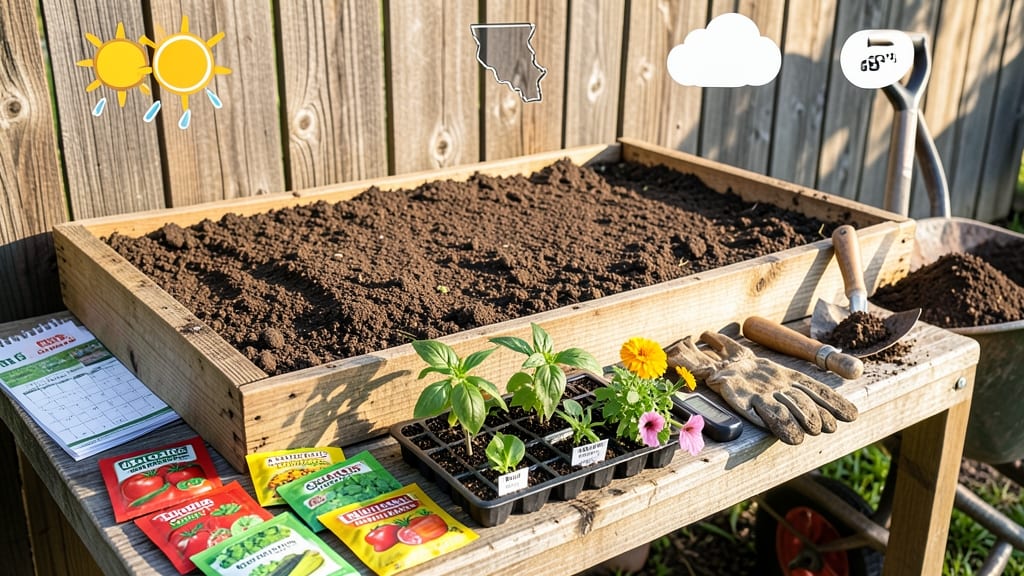
Starting a garden in Ohio means timing your first seeds and transplants to avoid the last frost—typically between April 15 and May 15, depending on your zone.
Ohio gardeners know the struggle: plant too early and frost ruins your hard work, wait too long and you miss the growing season. Timing is everything—and this guide unlocks Ohio’s perfect planting windows for zero-frost success in Zones 5-6.
Whether you’re a beginner or a seasoned gardener, the key is understanding your local microclimate. Urban areas like Columbus may warm up faster than rural spots near Toledo, so we’ll break down exact frost dates and soil prep steps to get your plants off to the right start.
Inside, you’ll find a month-by-month planting calendar, tips for extending your season, and a checklist to ensure your garden thrives from seed to harvest—no guesswork required.
Ohio’s frost-free planting timeline by month (zone 5-6 guide)
Ohio’s USDA Zones 5-6 offer a short but productive growing season, where timing is everything to avoid frost damage. The average last frost ranges from April 15 (southern Ohio) to May 10 (northern Ohio), but microclimates like Toledo’s lake effect can delay frost by 2 weeks.
Plan ahead with this month-by-month guide tailored to Ohio’s frost-free windows.
Start by checking your local last frost date—Columbus typically sees its final frost around April 20, while Cleveland averages May 5.
Use these dates as your planting benchmarks, but always include a 2-week buffer for heat-loving crops like tomatoes and peppers. Cold-hardy greens can handle light frosts, but tender plants need soil temperatures above 60°F to thrive.
Key rule: Wait until nighttime temperatures consistently stay above 50°F before planting frost-sensitive crops. In Ohio, this usually happens 2-3 weeks after the last frost date. For example, if your last frost is April 25, aim to plant tomatoes May 10-15.
Use this summary-table to map your Ohio planting calendar by month, including ideal transplant dates, direct-sowing windows, and heat-tolerant crops that extend your season.
For high-risk areas like Toledo, add a 14-day buffer to transplant dates due to lake-effect delays. For example, if your last frost is May 1, wait until May 15 to plant tomatoes. Soil temperature matters more than air temperature—use a soil thermometer to confirm 60°F+ for warm-season crops.
Ohio’s microclimates create local variations. Urban areas like Columbus may see frost 1 week earlier than rural zones, while valleys retain cold air longer. Elevated gardens (like those on hills) warm up faster—ideal for early plantings of frost-sensitive crops.
Pro tip: Plant cold-hardy crops first, like spinach and peas, as early as
How to extend Ohio’s growing season without risking frost damage
Ohio’s short growing season can feel like a race against time, but with the right strategies, you can push your harvests later into fall without losing plants to frost.
The key? Heat-loving crops and protective tools that shield tender seedlings. I’ve tested these methods in my own Zone 6 garden—here’s what works best.
Start by choosing crops that thrive in warm soil, like okra and sweet potatoes, which tolerate Ohio’s heat and short season. Pair them with row covers and cold frames to create microclimates that delay frost damage. My late-spring tomatoes stay productive until October when I use these tricks.
🌱 Key Takeaway: Ohio’s 3-Step Frost-Proofing Checklist
- Step 1: Test soil warmth—use a soil thermometer (ideal: 60°F+ for warm-season crops). Plant only after 3 consecutive days above this threshold.
- Step 2: Install row covers over heat-sensitive plants (like basil or peppers) when nighttime temps drop below 50°F. Secure edges with bricks or soil to prevent wind damage.
- Step 3: Succession plant every 2 weeks from May to July. Fast growers like bush beans or radishes ensure continuous harvests before frost.
💡 Pro Tip: Combine cold frames with black plastic mulch—this combo raises soil temps by 5-10°F and extends the season by 4-6 weeks.
For ultimate frost protection, build a low-cost cold frame using a clear plastic lid (like from a storage bin) and a wooden frame. Place it over leafy greens or herbs in early spring to jumpstart growth. I’ve seen spinach and kale survive 28°F nights with this setup.
Don’t overlook succession planting—it’s the secret to nonstop harvests. Instead of planting all your lettuce or carrots at once, sow small batches every 2 weeks. This ensures fresh produce even if early plantings bolt or freeze. My radish patch lasts from June to September this way!
Heat-loving crops like sweet potatoes and peppers are your best bets for late-season success. They handle Ohio’s short, hot summers better than tomatoes or cucumbers. Start seeds indoors 8-10 weeks before your last frost date, then transplant after Memorial Day.
Remember: Monitor weather forecasts and have frost cloth ready. A 50°F night can kill young plants overnight. With these strategies, I’ve extended my harvests by 6 weeks—no frost damage in sight! 🌿