
Planting
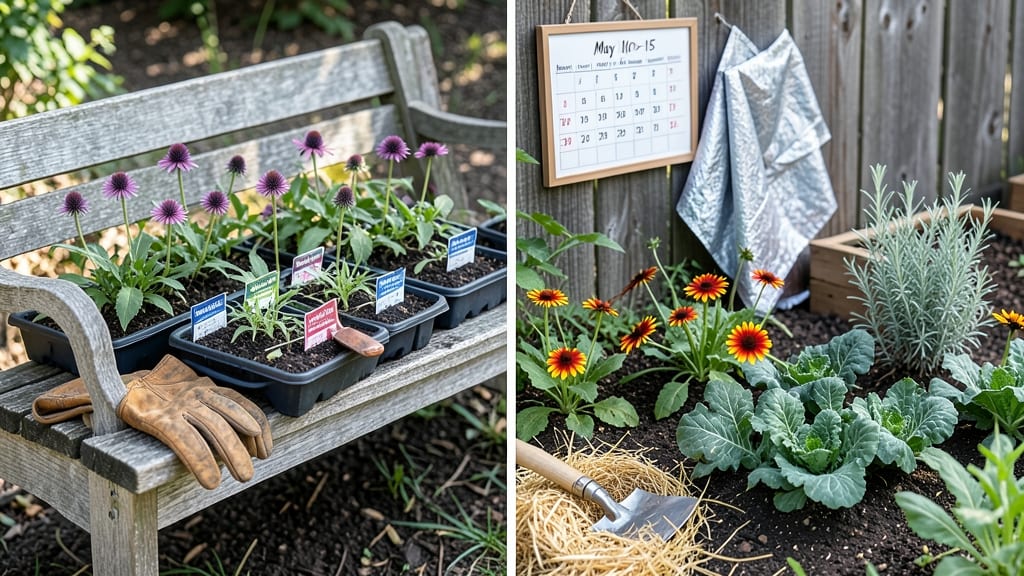
To plant your garden in Colorado, timing is everything—aim for mid-April to mid-June after the last frost, with a fall window in August-September for a second harvest.
Colorado’s diverse elevation zones create a gardening puzzle—plant too early, and frost will strike; too late, and your harvest suffers. Whether you’re on the Front Range or the Western Slope, getting the frost-free dates right is the key to a thriving 🌱 General Colorado Garden.
In USDA zones 4-7, your planting window shifts dramatically by elevation. At 5,000 feet, you might have 120 frost-free days, while at 8,000 feet, that shrinks to 90 days—meaning fast-maturing crops like lettuce or radishes are your best bet.
Below, I break down the exact frost dates by region, which crops to plant when, and how to stretch your season with simple tricks like row covers and succession planting—so you can avoid the costly mistakes I’ve made over the years.
Colorado’s frost-free dates by elevation zone (with planting timelines)
Colorado’s dramatic elevation shifts—from 2,000 feet on the plains to over 10,000 feet in the mountains—mean frost dates vary wildly. At 5,000 feet, your last spring frost might be April 15, while at 8,000 feet, you’re still dodging frost until May 20.
These differences dictate when to plant garden in Colorado, forcing gardeners to adjust timelines for both warm-season crops (like tomatoes) and cool-season crops (like spinach).
Understanding your elevation zone and USDA hardiness zone (typically 4-7 in Colorado) is key. For example, Denver (5,280 ft) falls in USDA Zone 5b-6a, while Aspen (7,800 ft) is in Zone 4b-5a.
These zones directly impact your planting windows—a 30-day difference in frost-free periods can mean the difference between a bountiful harvest and a failed crop.
Here’s the critical data you need: last spring frost, first fall frost, and ideal planting windows for Colorado’s most common elevation bands. Use this as your gardening GPS to avoid the #1 mistake Colorado gardeners make—planting too early and losing tender seedlings to late frost.
| Elevation Zone (ft) | USDA Zone | Avg. Last Spring Frost | Avg. First Fall Frost | Warm-Season Planting Window | Cool-Season Planting Window | Frost-Free Days |
|---|---|---|---|---|---|---|
| 2,000–3,500 | 6b–7a | March 20–April 5 | October 10–November 1 | April 15–May 10 | March 1–April 15 / Aug 15–Sept 30 | 180–210 |
| 3,500–5,000 | 5b–6a | April 1–April 15 | September 20–October 10 | April 30–May 15 | March 15–April 1 / Aug 1–Sept 20 | 150–180 |
| 5,000–6,500 | 4b–5a | April 15–May 1 | September 10–September 25 | May 10–May 25 | March 1–March 15 / July 15–Aug 15 | 120–150 |
| 6,500–8,000 | 3b–4a | May 1–May 15 | August 30–September 15 | May 25–June 10 | March 1–March 10 / July 1–July 15 | 90–120 |
Best vegetables to plant in each Colorado elevation zone (and when)Colorado’s elevation zones—from the Front Range’s 5,000 ft to the Rocky Mountains’ 10,000+ ft—dictate which vegetables thrive and when to plant them. At lower elevations, longer growing seasons allow for heat-loving crops like tomatoes and peppers, while high-altitude gardens focus on fast-maturing varieties and cold-hardy greens. Understanding these differences ensures your garden succeeds, not just survives. For lowland areas (2,000–6,000 ft), like Denver or Colorado Springs, warm-season crops like cucumbers and squash can start in late April to early May, while cool-season crops such as kale and spinach go in March or September. Meanwhile, high-altitude gardens (7,000–10,000 ft), such as those in Summit County, must plant earlier varieties or use row covers to protect tender plants. 🌱 PROS-CONS BOX: PLANTING TIMES BY ELEVATION
Low Elevation (2,000–6,000 ft)
High Elevation (7,000+ ft)
Pros
Cons
At low elevations (5,000 ft or below), prioritize heat-tolerant varieties like ‘Early Girl’ tomatoes or ‘Jalapeño’ peppers, which mature in 60–70 days. Plant these after the last frost (mid-May) and use mulch to retain soil moisture during Colorado’s dry summers. For cool-season crops, like broccoli or cabbage, start seeds indoors in March and transplant by early April. High-altitude gardens (7,000 ft and above) demand fast-growing varieties such as ‘Cherry Belle’ radishes (25 days) or ‘Sugar Snap’ peas (60 days). These can be sown as early as late April under row covers or in cold frames. Avoid heat-sensitive crops like eggplants or okra, which struggle in shorter seasons. Instead, opt for hardy greens like spinach or arugula, which tolerate cooler temps. For transition zones (6,000–7,000 ft), such as the Western Slope, balance your garden with a mix of early-maturing warm crops (e.g., ‘Quick Pick’ cucumbers) and cool-season staples (e.g., carrots or beets). Succession planting—sowing every 2 weeks—maximizes harvests in these moderate-elevation areas. Always check your local last frost date (typically May 1–15 for lowlands, June 1 for high altitudes) to time plantings perfectly. Adjust your soil prep based on elevation too. High-altitude soils often need extra compost to improve drainage, while lower-elevation gardens may require mulch to prevent moisture loss. Test your soil’s pH (aim for 6.0–7.0) and amend with sulfur if it’s too alkaline—a common issue in Colorado. With the right crop selection and planting timing, your garden can flourish at any elevation. |