
Tools
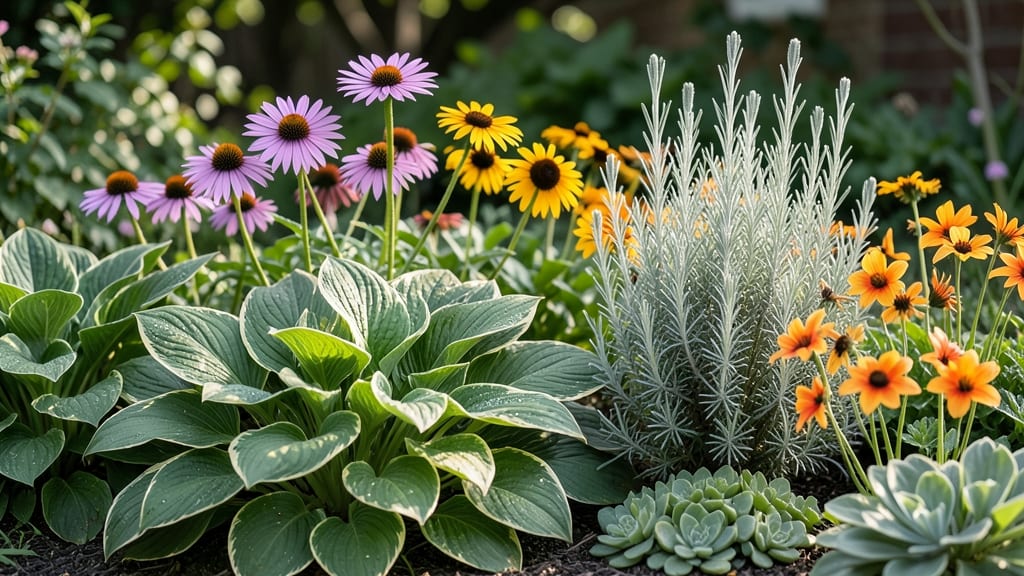
A perennial garden in Zone 5 thrives with cold-hardy plants like coneflowers, black-eyed Susans, and hostas that survive winter temperatures between -10°F and -20°F. Focus on native species and mulch heavily for winter protection to ensure year-round blooms and foliage.
Creating a perennial garden in Zone 5 means choosing plants that not only survive but thrive through harsh winters and hot summers. 🌱 The key is selecting species adapted to this region's -10°F to -20°F temperature swings, like Russian sage or catmint, which bloom prolifically even after freeze-thaws.
Native plants often require less maintenance because they've evolved alongside local conditions—think of them as the low-maintenance superstars of your garden.
Layering plants by height and bloom time creates visual interest throughout the seasons. For example, early spring bulbs like daffodils can pair with late-summer bloomers like black-eyed Susans, while evergreen shrubs provide winter structure.
The USDA hardiness map is your best tool for verifying which plants will flourish in your specific microclimate—just check your zip code for precise guidelines.
💡 In This Article
- Understanding USDA Zone 5 Plant Hardiness Basics
- Top Cold-Resistant Perennials for Zone 5 Gardens
Understanding USDA Zone 5 plant hardiness basics
Zone 5's climate—characterized by cold winters (-10°F to -20°F) and moderate summers (70°F to 85°F)—creates unique challenges for gardeners.
The USDA hardiness map divides North America into 13 zones based on average annual minimum temperatures, and Zone 5 represents areas where plants must endure 150 to 240 frost-free days
The hardiness map isn't just about cold tolerance—it also accounts for heat stress during summer. Many Zone 5 perennials, like Russian sage or catmint, thrive in these conditions because they've evolved to handle both extremes.
Native species, such as coneflowers (Echinacea) or black-eyed Susans (Rudbeckia), often require less water and fertilizer because they're adapted to local soil conditions and rainfall patterns. Their deep roots also help them access moisture during droughts, a common summer challenge in Zone 5.
Reading the hardiness map correctly is crucial. The map provides a baseline, but microclimates—like south-facing slopes or sheltered garden corners—can create localized temperature variations of 5°F or more.
For example, a garden in Zone 5a (-20°F to -15°F) might successfully grow hardy peonies (Zone 3-8) in a sunny, protected spot, while the same plant could struggle in a frost pocket. Always test your microclimate by monitoring temperatures for at least 3 years before finalizing plant selections.
Native perennials outperform non-native species in Zone 5 because they've co-evolved with local pests, diseases, and soil types. For instance, hostas (Zone 3-9) thrive in shady, moist conditions common in Zone 5, while non-native daylilies may require more maintenance to prevent fungal issues.
The key is selecting plants that align with your garden's natural conditions—this reduces watering, fertilizing, and pest control needs while ensuring long-term success.
Another critical factor is mulching. A 3-4 inch layer of organic mulch (like shredded bark or straw) insulates plant roots during winter and retains moisture during summer. This layer can raise soil temperatures by 5-10°F in winter, protecting tender roots from extreme cold.
In early spring, mulch also prevents soil from warming too quickly, which can stress emerging perennials. 🌱 For best results, apply mulch after the ground freezes in late fall and remove it in early spring once temperatures stabilize above 40°F.
Finally, consider the chilling requirement of perennials—many plants need 300 to 1,500 hours of temperatures below 45°F to bloom properly. Zone 5's cold winters typically satisfy these needs, but non-native species with lower chilling requirements (like some lavender varieties) may produce fewer flowers.
Always check a plant's chilling hours alongside its hardiness zone to ensure it will perform well in your garden.