
Tools
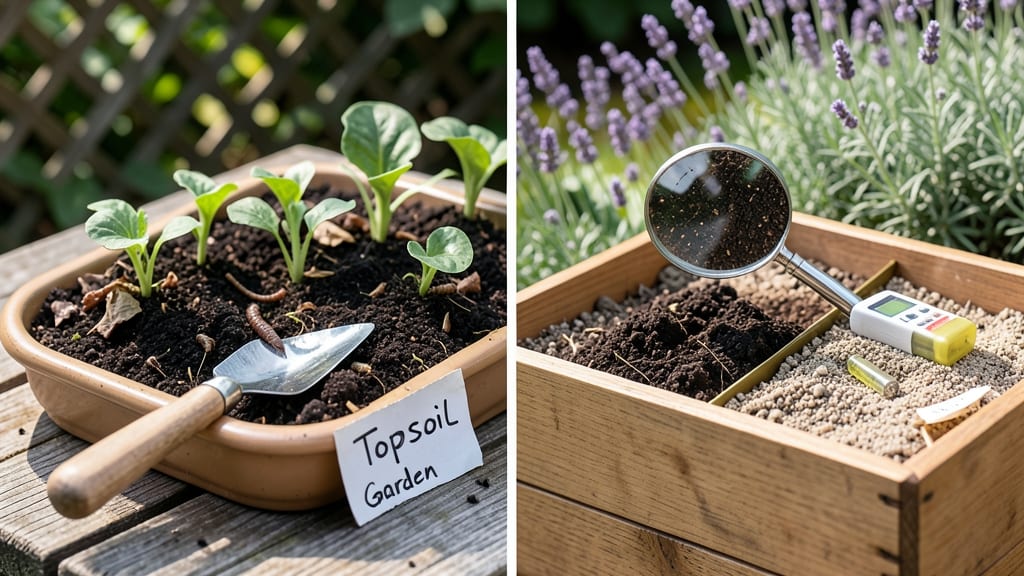
Top soil and garden soil are not the same: top soil is the natural, nutrient-rich upper layer of earth found in nature, while garden soil is a purposefully mixed blend containing top soil, compost, and organic materials designed to improve plant growth and drainage.
Top soil is what you'll find naturally in forests or meadows—the topmost layer of earth packed with minerals and organic material from decomposed plants and animals. 🌱 Garden soil, on the other hand, is a human-made mix that often includes compost, peat moss, or sand to create the perfect growing medium for vegetables, flowers, or lawns.
The key difference lies in their purpose: top soil is great for leveling landscapes or establishing roots, while garden soil is formulated to maximize fertility and moisture retention for active planting.
If you're working with a new garden bed, you might start with top soil to create a stable base, then top it with garden soil to give your plants the nutrients they need. Many gardeners even create their own blends by mixing top soil with homemade compost or purchased amendments.
The right choice depends on what you're growing and how much care you want to put into soil preparation.
💡 In This Article
- Composition Differences Between Top Soil and Garden Soil
- Best Uses for Top Soil vs. Garden Soil in Planting
Composition differences between top soil and garden soil
Top soil is nature's own nutrient-rich layer, typically found in the upper 6-12 inches of earth. It forms through centuries of organic decomposition—leaves, twigs, and animal matter break down into humus, creating a dark, crumbly texture with 5-10% organic matter by volume.
This layer naturally contains essential minerals like nitrogen, phosphorus, and potassium, though in varying concentrations depending on the ecosystem. The particles in top soil range from 0.05mm to 2mm, giving it a loamy feel that retains moisture while allowing drainage.
Garden soil, however, is an engineered product designed for optimal plant growth. It's typically a 50/50 or 60/40 blend of top soil and organic amendments like compost, peat moss, or coconut coir.
These additions boost organic matter to 20-40% or higher, creating a lighter, fluffier texture that improves aeration and water retention.
The pH of garden soil is often adjusted (usually 6.0-7.0) to suit specific plants, while natural top soil can vary widely—from acidic 4.5 in pine forests to alkaline 8.0 in prairie regions. This controlled environment is why garden soil often produces better yields for vegetables and flowers.
The key difference lies in their nutrient density and consistency. Top soil provides a stable foundation with moderate fertility, while garden soil acts like a vitamin supplement for plants.
For example, a 1 cubic yard of garden soil might contain 3-5 times more nitrogen than natural top soil, thanks to added compost. This makes garden soil ideal for intensive planting, while top soil is better suited for establishing roots or leveling uneven ground. The trade-off?
Garden soil costs 2-3 times more per cubic yard due to the labor-intensive blending process.
Consider how these differences play out in real-world scenarios. When planting a vegetable garden, garden soil's higher organic content means your tomatoes or peppers will have 20-30% more available nutrients during their growing season.
Meanwhile, top soil's natural structure makes it perfect for creating raised beds or filling in low spots in your yard. The choice often comes down to whether you need nature's baseline (top soil) or a performance-optimized growing medium (garden soil).
One often-overlooked factor is microbial activity. Garden soil's higher organic content supports 30-50% more beneficial bacteria and fungi per cubic foot, which break down nutrients into forms plants can absorb. This biological boost is why garden soil often leads to faster germination and stronger root development.
In contrast, top soil's microbial population is more stable but less concentrated, making it better suited for long-term landscape projects where dramatic growth isn't the primary goal.
For the DIY gardener, understanding these compositional differences means you can create custom blends. Start with top soil as your base, then add 20-30% compost and 10% perlite or vermiculite to mimic garden soil's properties.
This approach gives you the drainage benefits of top soil with the fertility boost of garden soil—all while saving money. The key is testing your soil's pH and nutrient levels before blending, as these factors determine which amendments will work best for your specific plants.