
Light Requirements
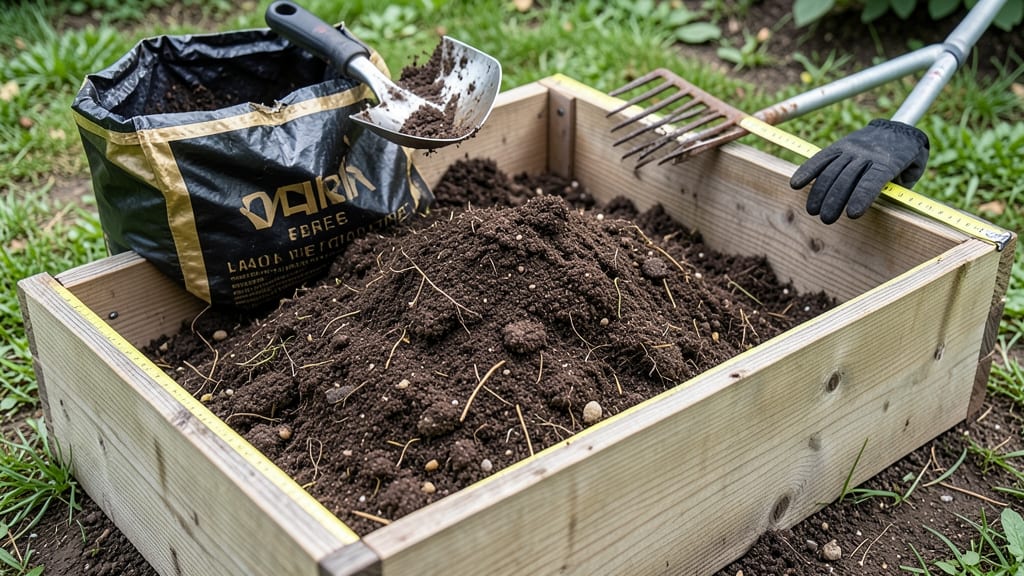
Filling a raised garden bed with the right amount of soil means balancing depth, drainage, and plant needs for a thriving garden 🌱—and one miscalculation can leave you with wasted space or struggling plants.
You’ve poured hours into building your raised bed, only to stare at a mountain of soil bags and wonder: How much is enough? Too little, and your plants will fight for space. Too much, and you’ve just thrown money at the problem.
The answer isn’t one-size-fits-all—it depends on what you’re growing, how deep their roots run, and whether you want to layer for long-term health.
Below, I’ll break down the exact soil depth you need for everything from carrots to tomatoes, how to mix it right for drainage, and the simple math to avoid overfilling. Spoiler: A 6-inch layer is the bare minimum, but most gardeners end up closer to 12 inches for serious crops.
Skip the guesswork and learn how to calculate your bed’s perfect soil volume—so you can plant with confidence and watch your garden grow like never before.
Calculating soil depth for raised garden beds by plant type
Getting the soil depth right in your raised garden bed isn’t just about guessing—it’s about matching your plants’ root systems with the perfect growing space. Root crops like carrots need deep soil, while herbs like basil thrive in shallow layers.
Let’s break down how to calculate the ideal depth for your specific plants.
Start by measuring your raised bed height. Most beds range from 6 to 12 inches tall, but deeper beds (up to 24 inches) are ideal for root vegetables. The key is ensuring the soil depth matches your plants’ mature root length—not just their above-ground growth.
For example, carrots and potatoes need at least 12 inches of loose soil, while radishes and lettuce can thrive in just 6 inches. If you’re growing a mix, prioritize the deepest-rooted plants to determine your bed’s minimum soil depth.
Here’s a quick rule of thumb: Add 2-3 extra inches of soil beyond the deepest root length. This accounts for organic matter breakdown and future amendments like compost.
For instance, if your carrots need 12 inches, fill your bed with 14-15 inches of soil to ensure they have room to grow.
Now, let’s dive into the specifics with a plant-by-plant breakdown to help you customize your raised bed’s soil depth. This table will guide you through the ideal soil depths for common garden plants, so you can plan your bed’s height like a pro.
Once you’ve determined your minimum soil depth, adjust your raised bed’s height accordingly. For example, if you’re growing carrots and tomatoes together, aim for a 16-inch soil depth to accommodate both. This ensures your root crops have enough space while still supporting your tall vegetables.
Pro tip: Use a soil depth calculator to estimate how much soil you’ll need. Multiply your bed’s length and width by the desired depth (in feet) to get cubic feet, then convert to cubic yards for purchasing.
For a 4’x8’ bed with 12” of soil, you’ll need about 1.75 cubic yards of soil mix.
Don’t forget to account for organic matter like compost or peat moss, which will settle over time. Add an extra 2-3 inches to your depth calculation to ensure your plants have enough growing space as the soil compacts naturally.
If you’re mixing plants with diverse root depths, consider creating separate sections in your raised bed. For instance, dedicate one side to shallow-rooted herbs and the other to deep-rooted carrots. This way, you can tailor the soil depth to each plant’s needs without compromising growth.
Finally, test your soil’s drainage before planting. Poor drainage can suffocate roots, even in a deep bed. Add a layer of gravel or coarse sand at the bottom (if your bed is tall enough) to improve water flow and prevent root rot.
With these guidelines, you’ll create a raised garden bed that’s perfectly tailored to your plants’ needs—ensuring healthy roots, robust growth, and a bountiful harvest. Happy gardening! 🌱
Best soil mixes and fill strategies for raised garden beds
Creating the perfect soil mix for your raised garden bed starts with understanding the balance between organic matter, drainage, and nutrient density. Unlike in-ground soil, raised beds give you full control over soil composition, which means you can customize it for your specific plants.
For most vegetables and herbs, I recommend a blend of 60% topsoil, 30% compost, and 10% perlite or coarse sand to ensure aeration and moisture retention. This mix works for everything from leafy greens to root vegetables like carrots and potatoes.
The key to success is layering your soil properly. Start with a 2-inch layer of coarse material like gravel or bark chips at the bottom to improve drainage and prevent compaction. This is especially important if your bed doesn’t have drainage holes.
Above this, add a 4-inch layer of compost to introduce beneficial microbes and nutrients. Finally, top it off with your prepared soil mix. This layered approach ensures your plants have access to both nutrients and oxygen right from the start.
- 1 Calculate bed volume: Multiply length × width × depth (e.g., a 4'×8'×12" bed needs 32 cubic feet of soil).
- 2 Use 60% topsoil: Fill 60% of the volume with high-quality topsoil for structure and nutrients.
- 3 Add 30% compost: Mix in 30% compost to boost organic matter and microbial activity.
- 4 Include 10% perlite/sand: Add 10% perlite or coarse sand to improve drainage and prevent compaction.
- 5 Top with mulch: Finish with 1-2 inches of mulch to retain moisture and suppress weeds.
For large raised beds, consider breaking the soil mix into smaller batches to make filling easier. I like to use wheelbarrows or garden carts to transport soil and mix ingredients evenly.
If you’re working with a budget, you can reduce the cost by using locally sourced topsoil and supplementing with homemade compost. Just ensure the topsoil isn’t too clay-heavy, as this can lead to poor drainage.
A simple jar test—filling a jar with soil and water, then observing how quickly the water drains—can help you gauge drainage efficiency.
One common mistake I see is overfilling raised beds, which can lead to soil compaction and poor root growth.
Aim for a 6-12 inch soil depth, depending on the plants you’re growing. Root vegetables like carrots and beets need deeper soil (12 inches), while shallow-rooted plants like lettuce and radishes thrive in 6 inches.
Always leave a little space at the top for mulch and to prevent spillage when watering. This extra room also makes it easier to add amendments later in the season.
To keep your soil mix healthy long-term, I recommend adding a slow-release fertilizer or worm castings before planting. This gives your plants a nutrient boost without the risk of burning roots. For example, a handful of worm castings per square foot can improve soil structure and provide essential nutrients.
If you notice your soil drying out too quickly, consider adding coco coir or peat moss to improve moisture retention. The goal is to create a balanced ecosystem where roots can grow freely and nutrients are readily available.
Finally, don’t forget to test your soil pH before filling your bed. Most vegetables prefer a slightly acidic to neutral pH (6.0-7.0), while blueberries and azaleas thrive in acidic soil (4.5-5.5). You can adjust pH by adding lime to raise pH or sulfur to lower it.
A simple soil test kit from your local garden center will give you all the information you need to make the right adjustments. With the right soil mix and fill strategy, your raised garden bed will provide the perfect growing environment for years to come. 🌱