
Landscaping
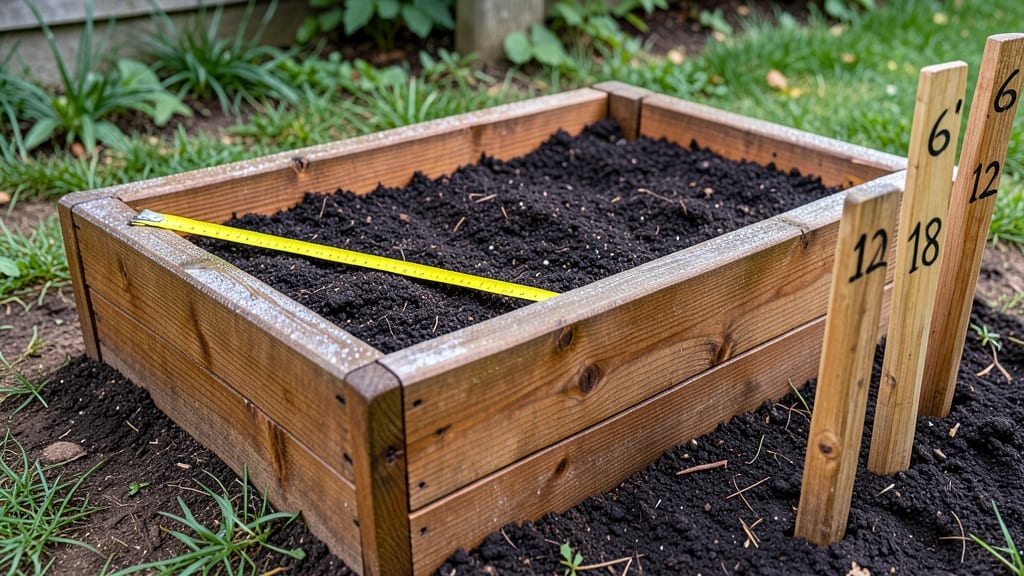
Optimal raised garden bed heights for different plant types
Choosing the right raised garden bed height depends entirely on what you plan to grow. Shallow-rooted herbs like basil and thyme thrive in just 6 inches of soil, while deep-rooted crops like asparagus or potatoes need 18-24 inches to spread their roots.
The key is matching your bed’s depth to the root zone requirements of your plants—this ensures strong growth and higher yields.
For beginner gardeners, a 12-inch deep bed is a versatile starting point. It accommodates most vegetable varieties, including carrots, lettuce, and tomatoes, while keeping costs manageable.
If you’re growing root crops or perennials, however, you’ll need to invest in deeper beds or tiered designs to prevent root binding and stunted growth.
Here’s the science behind it: Soil volume directly impacts root expansion. A 4’x8’ bed that’s 6 inches deep holds about 1.3 cubic feet of soil, while the same bed at 18 inches deep holds 5.2 cubic feet.
That’s four times the space for roots to grow, which translates to healthier plants and longer harvest seasons.
Let’s break down the ideal heights for three common plant categories—herbs, vegetables, and deep-rooted crops—so you can customize your raised beds for maximum success.
| Plant Type | Root Depth | Recommended Bed Height | Soil Volume (per 4’x8’ bed) | Example Plants |
|---|---|---|---|---|
| Shallow-Rooted Herbs | 3-6 inches | 6-12 inches | 1.3-2.6 cubic feet | Basil, thyme, parsley |
| Medium-Depth Vegetables | 6-12 inches | 12-18 inches | 2.6-5.2 cubic feet | Lettuce, tomatoes, carrots |
| Deep-Rooted Crops | 18-24+ inches | 18-24 inches | 5.2-7.8 cubic feet | Asparagus, potatoes, artichokes |
If you’re growing a mix of plants, consider zoning your bed by height. For example, place deep-rooted crops like asparagus in the center of a 24-inch deep bed and surround them with shallow-rooted herbs along the edges. This maximizes space while meeting each plant’s needs.
For container gardening or small spaces, 6-12 inch deep beds work perfectly for leafy greens and herbs. Just avoid planting root vegetables like beets or radishes—they’ll become crowded and deformed without enough depth. Pro tip: Use fabric pots or hanging baskets for these varieties if space is limited.
One common mistake is assuming taller beds always mean better growth. While deeper beds support larger plants, they also require more water and nutrients to maintain.
If your bed exceeds 24 inches, add compost or organic matter to the bottom layers to prevent soil compaction and improve drainage.
For accessibility, aim for a 30-36 inch height from the ground to the top of your bed. This reduces bending and strain, especially for older gardeners or those with mobility challenges. Just ensure your bed has stable supports or multiple layers to handle the weight of moist soil.
Experiment with two-tiered raised beds if you love variety. The lower tier can hold deep-rooted plants, while the upper tier is perfect for shallow herbs or flowers. Just space the tiers at least 12 inches apart to prevent root interference and ensure proper drainage between layers.
Remember, the soil quality matters just as much as the height. Use a mix of topsoil, compost, and permaculture soil to create a nutrient-rich environment. For deep-rooted plants, add a layer of gravel or sand at the bottom to improve drainage and prevent waterlogging.
Start with a 12-inch deep bed if you’re unsure, then adjust based on what you grow. Over time, you’ll learn which heights work best for your <
How to adjust raised bed height for accessibility and soil quality
When designing your raised garden beds, height isn’t just about what looks good—it’s about what works for your body and your plants. A bed that’s too low forces you to bend over constantly, while one that’s too high can strain your back.
The ideal height balances ergonomics with root depth and soil quality. For most gardeners, a height between 12 to 18 inches offers the perfect compromise, but let’s break down how to customize it for your needs.
Start by considering your physical comfort. If you’re taller, you might prefer a bed that sits at your waist height—around 24 to 30 inches—so you can plant and harvest without bending. For shorter gardeners or children, a 12-inch height keeps gardening accessible.
The key is to adjust the height so your arms can rest comfortably on the bed’s edge while you work, reducing strain on your wrists and spine. Pro tip: Use a stool or bench if your bed height doesn’t quite match your ideal working height.
- 🌱 12-18 inches: Standard height for most vegetables, balancing root depth and accessibility.
- 👩🌾 24-30 inches: Ideal for taller gardeners or those with back issues, reducing bending.
- 🌿 6-12 inches: Best for shallow-rooted plants like herbs or strawberries, or for kids’ gardens.
- 💧 Drainage holes: Always include them, even in taller beds, to prevent waterlogging.
- 🌱 Soil depth: Aim for at least 12 inches of soil for most crops, with deeper beds for root vegetables.
Next, think about your soil quality and how height impacts it. Taller beds allow you to create layered soil profiles that mimic natural ecosystems.
Start with a bottom layer of carbon-rich materials like wood chips or straw to improve drainage, followed by a middle layer of compost for nutrients, and top it off with topsoil.
This method ensures your plants have access to both water and nutrients without competing with weeds or compacted soil. For deeper-rooted plants like asparagus or potatoes, consider a 24-inch bed to give roots plenty of room to grow.
Don’t overlook drainage and weight capacity when adjusting height. Taller beds require sturdy materials like cedar or composite lumber to prevent warping or collapsing under the weight of wet soil.
If you’re building a bed taller than 18 inches, reinforce the corners with metal brackets or screws and ensure the base is level to avoid instability.
For drainage, include holes or gaps at the bottom of the bed, but cover them with landscape fabric to keep soil in place while allowing excess water to escape.
Finally, consider how height affects plant spacing and yield. Taller beds with deeper soil can support larger plants like tomatoes or corn, but you’ll need to adjust spacing to avoid overcrowding.
For example, tomatoes in a 24-inch bed might need 18 inches between plants, while carrots in a 12-inch bed can be spaced 2 inches apart. Always check the plant’s mature size and adjust your bed height and layout accordingly.
This way, you’ll maximize your harvest while keeping maintenance manageable.
Remember, there’s no one-size-fits-all answer. Experiment with different heights and observe how your plants respond. Over time, you’ll find the perfect balance between accessibility, soil quality, and plant success—all while making gardening a joy, not a chore. Happy planting! 🌱