
Container Gardens
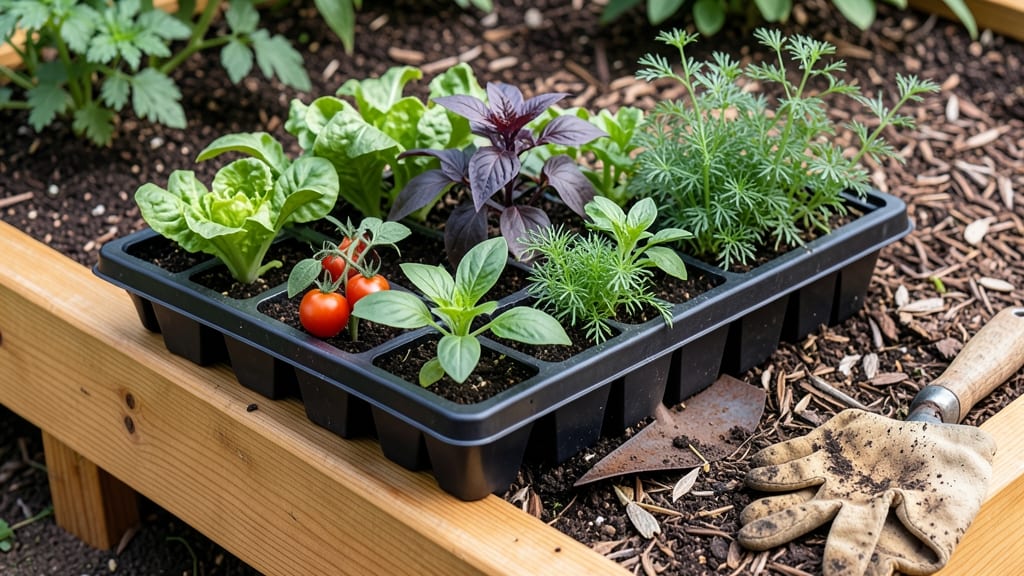
Portable raised garden beds are the game-changer for small spaces, urban gardens, and anyone who wants to grow more without the hassle of traditional in-ground planting.
Imagine rolling your garden into a sunlit spot in the morning and tucking it away under a porch at night—no more wrestling with soil or bending over for hours.
These modular beds let you harvest fresh herbs, veggies, or flowers in a fraction of the space, and they’re easy to move if your light shifts or you need to expand.
Whether you’re working with a cramped balcony, a shady corner, or just want to avoid backbreaking weeding, portable raised beds solve the biggest frustrations of small-space gardening. They’re lighter than you’d think, customizable for any material (wood, metal, or plastic), and designed to keep soil healthy year after year.
In this guide, I’ll break down how to pick the right design, maximize your square footage, and even build your own—so you can start growing like a pro, no matter how limited your space.
How modular portable raised garden beds maximize small spaces
If you've ever dreamed of growing a bountiful garden but felt limited by space, modular portable raised garden beds are your solution. These flexible structures transform even the tiniest balconies or cramped yards into high-yield growing areas.
The key lies in their customizable layouts and vertical integration, which let you stack, rearrange, or expand your garden as needed without compromising plant health.
Unlike traditional in-ground gardens, portable raised beds allow you to rotate crops easily, optimize sunlight exposure, and even move them to follow the sun's path. This mobility ensures every plant gets the ideal growing conditions while maximizing your limited square footage.
Whether you're growing herbs on a windowsill or tomatoes on a patio, these beds adapt to your space and needs.
Here’s how modular designs outperform static beds in small spaces:
| Feature | Traditional Raised Beds | Modular Portable Beds |
|---|---|---|
| Space Efficiency | Fixed layout; limited expansion | Stackable; expands vertically/horizontally |
| Mobility | Stationary; hard to move | Lightweight; wheels or handles included |
| Soil Quality | Degrades over time; requires replenishing | Replaceable soil; no degradation |
| Yield per Square Foot | Moderate; limited by bed size | High; optimized for dense planting |
| Sunlight Optimization | Static; shadows may limit growth | Adjustable; rotate for ideal sun exposure |
One of the biggest advantages of modular beds is their ability to integrate vertically. By stacking beds or adding trellises, you can grow vining plants like cucumbers or beans upward, freeing up precious ground space.
For example, a 4-foot-tall trellis next to your bed can double your growing area for climbers while keeping the base clear for shorter plants like lettuce or radishes.
When choosing a layout, prioritize weight distribution to ensure stability. Larger beds should have wider bases or reinforced corners, while smaller units can use lightweight materials like recycled plastic.
For mobility, opt for beds with built-in wheels or handles, making it easy to reposition them as your garden evolves. I’ve found that 2x4-foot beds strike the perfect balance between manageability and growing space.
To maximize yield in small spaces, focus on intercropping—pairing fast-growing crops like radishes with slower ones like carrots. This strategy ensures no square foot goes to waste.
Additionally, consider seasonal rotation: Use one bed for leafy greens in spring, then switch to heavy feeders like tomatoes in summer. The modular design makes this transition seamless.
Don’t overlook the importance of drainage and soil depth. Portable beds should have at least 12 inches of soil depth to accommodate root systems, and drainage holes prevent waterlogging. I recommend adding a landscape fabric layer at the bottom to block weeds while allowing excess water to escape.
For soil, mix 60% native soil, 30% compost, and 10% perlite to ensure optimal drainage and nutrient retention.
For urban gardeners, consider wall-mounted or hanging modular beds. These designs turn blank walls into lush gardens, perfect for herbs or shallow-rooted veggies. Pair them with self-watering systems to reduce maintenance.
I’ve seen 4-inch-deep hanging beds thrive with strawberries and microgreens, proving that even minimal space can yield impressive results.
Finally, think long-term: Modular beds let you scale your garden over time. Start with a single unit, then add more as your confidence grows. This approach is budget-friendly and reduces the risk of overcommitting to a space you might outgrow.
With the right setup, you’ll enjoy a high-yield, low-maintenance garden that adapts to your life.
Ready to transform your small space? Start with a 2x4-foot modular bed, experiment with vertical growing, and watch your harvests soar—without the hassle of a traditional garden. 🌱
Top 5 materials for durable, lightweight portable raised beds
Choosing the right material for your portable raised garden beds is crucial—it affects weight, durability, and even how easily you can move them. I’ve tested cedar, composite lumber, recycled plastic, and metal options to help you pick the best fit for your garden’s needs.
Each has unique benefits, whether you prioritize lightweight mobility or long-term durability.
For budget-friendly and natural options, cedar is a classic choice, but it may not hold up in wet climates. On the other hand, recycled plastic and composite lumber offer low maintenance and resistance to rot, but they can be pricier upfront.
Let’s break down the pros and cons so you can decide what works best for your space and climate.
Material Comparison: Durability vs. Portability
- Pros: Natural, lightweight, resists rot
- Cons: Warps in humidity, needs sealing
- Pros: Rot-resistant, low maintenance
- Cons: Heavy, higher cost
- Pros: Lightweight, weatherproof, long-lasting
- Cons: Less breathable, can get hot
- Pros: Extremely durable, rust-resistant (galvanized)
- Cons: Heavy, can overheat soil
*Tip: For humid climates, avoid cedar—opt for composite or plastic instead.
If you’re gardening in a dry climate, cedar can last 5-7 years with proper sealing, making it a cost-effective choice. However, in wet or coastal areas, composite lumber or recycled plastic will outlast cedar by years without warping or rotting.
I’ve found that recycled plastic beds, like those from GreenStalk, are my top pick for ultra-lightweight options—perfect for balconies or small patios.
For those who want maximum durability and don’t mind the weight, galvanized metal beds are nearly indestructible. They’re ideal for heavy-duty gardens or areas with high foot traffic, but moving them requires help.
I’ve used metal beds in my backyard for tomatoes and peppers, and they’ve held up perfectly after three growing seasons.
Cost is another key factor—cedar is the most affordable upfront, while composite lumber and plastic can cost 2-3x more but save money long-term. If you’re on a tight budget, start with cedar and upgrade later.
For long-term savings, invest in recycled plastic or composite—they’ll last 10+ years with minimal upkeep.
No matter which material you choose, prioritize drainage holes and sturdy handles for easy mobility. My go-to tip: Add non-slip pads to the bottom of plastic or metal beds to protect decks and prevent shifting in windy conditions.
🌱