
Planting
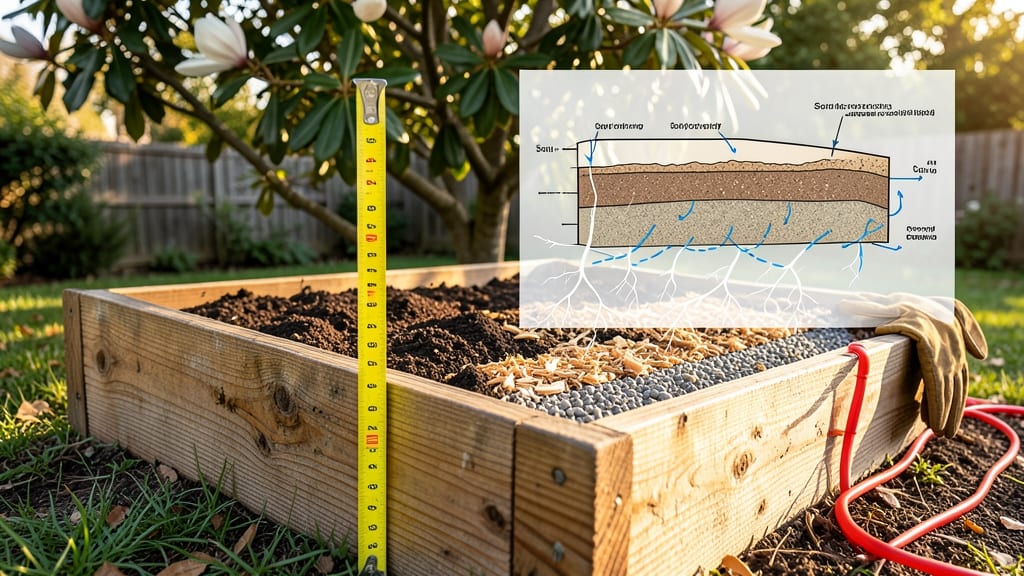
To figure out how deep to make raised garden beds, aim for at least 12 inches of soil—this gives roots room to spread while keeping construction manageable and drainage efficient.
Struggling to decide how deep your raised garden beds should be? The right depth isn’t just about aesthetics—it’s about giving your plants the root space they need to thrive, whether you're growing shallow herbs or deep-rooted vegetables like potatoes.
Too shallow, and your carrots or potatoes won’t develop properly; too deep, and you’re wasting materials and effort. The ideal depth depends on what you’re planting, but a 6- to 12-inch soil layer covers 90% of garden needs—from leafy greens to fruiting plants.
Below, I’ll break down the exact depth for different crops, how to adjust for drainage, and the common mistakes that lead to stunted growth. By the end, you’ll know exactly how deep to build for a thriving 🌱 raised garden bed.
Ideal raised garden bed depth by plant type: root space requirements explained
When building raised garden beds, one of the most critical decisions is soil depth. Too shallow, and your deep-rooted vegetables like carrots or potatoes will struggle. Too deep, and you’re wasting resources on excess soil.
The ideal depth depends entirely on what you’re growing, with most plants falling into three categories: shallow-rooted, medium-rooted, and deep-rooted varieties. Let’s break down the science behind root space requirements to help you design the perfect bed for your garden.
The minimum recommended depth for raised garden beds is 6 inches, but this only accommodates shallow-rooted herbs like basil or chives. For a versatile bed that can handle most vegetables, aim for 10-12 inches of soil depth.
If you’re growing deep-rooted plants like asparagus or fruit trees, you’ll need to go even deeper—up to 24 inches or more. The key is matching your bed’s depth to the mature root zone of your plants.
| Plant Type | Root Depth | Recommended Bed Depth | Examples |
|---|---|---|---|
| Shallow-Rooted | 0-6 inches | 6-8 inches | Basil, Chives, Lettuce, Spinach, Strawberries |
| Medium-Rooted | 6-12 inches | 10-12 inches | Carrots, Beets, Radishes, Green Beans, Peppers, Tomatoes |
| Deep-Rooted | 12+ inches | 18-24 inches | Asparagus, Potatoes, Corn, Fruit Trees, Rhubarb |
| Perennial Herbs | 12-18 inches | 12-18 inches | Rosemary, Thyme, Sage, Oregano |
🌱 Pro Tip: Layer soil depths in a single bed by creating "zones" for different plants.
For shallow-rooted plants, like leafy greens or herbs, a 6-inch bed is sufficient. These plants focus their energy on producing foliage above ground, so deep soil is unnecessary. However, even in shallow beds, ensure the soil is well-aerated and rich in organic matter to support root development.
A 6-inch depth also allows for easy access to nutrients in the topsoil layer, which is where most of these plants’ roots will reside.
Most vegetable varieties, including tomatoes, peppers, and green beans, fall into the medium-rooted category. These plants require 10-12 inches of soil depth to thrive. The extra depth supports their root systems while also providing room for mulching and water retention.
If you’re growing determinate tomatoes, which stay compact, you can get away with the minimum 10-inch depth. But for indeterminate varieties, which grow taller and produce fruit over a longer season, deeper soil ensures they don’t become root-bound.
Deep-rooted plants like asparagus, potatoes, and fruit trees demand the most attention when designing your raised bed. These plants need 18-24 inches of soil depth to accommodate their expansive root systems. Asparagus, for example, can send roots up to 2 feet deep, while potatoes need depth to prevent greening and to support tuber formation. If you’re growing perennial herbs like rosemary or thyme, they also benefit from deeper beds, as their woody roots need room to establish.
One common mistake gardeners make is underestimating root growth. Many assume that a 12-inch bed is enough for all vegetables, but this can lead to stunted growth in deep-rooted plants. Another error is over-filling beds with soil, which can cause compaction and poor drainage.
To avoid this, use a mix of topsoil, compost, and organic matter to create a loose, fertile growing medium. Always leave 2-3 inches of space between the soil surface and the bed’s rim to prevent spillage and erosion.
If you’re designing a multi-purpose raised bed, consider creating separate zones within a single structure. For example, you could dedicate one side to shallow-rooted herbs and the other to medium-rooted vegetables. This approach maximizes space while ensuring each plant gets the optimal root depth it needs.
Alternatively, you can build tiered raised beds, where deeper sections are reserved for root vegetables and shallower sections for greens. This flexibility is one of the biggest advantages of raised gardening!
Building a raised garden bed isn't just about stacking wood or cinder blocks—it's about creating a root-friendly environment that matches your plants' needs. The ideal depth depends on what you're growing, from shallow-rooted herbs to deep-rooted vegetables like potatoes or asparagus. Most gardeners aim for 6-12 inches of soil depth, but I’ll show you how to customize this for your specific layout. Start by measuring your existing soil level if you're retrofitting a bed. If building from scratch, plan for at least 6 inches of usable soil above the ground. This ensures roots can spread without hitting hardpan or compacted soil. For deep-rooted plants, like tomatoes or carrots, you may need 12-18 inches of depth to prevent root binding and stunted growth. When choosing materials, prioritize durability and breathability. Cedar or redwood resists rot, while untreated lumber can leach chemicals into the soil. For deeper beds (12 inches), use corner braces or metal edging to reinforce walls. Avoid plastic liners unless you're growing acid-loving plants like blueberries, as they restrict root expansion. Drainage is critical—especially in clay-heavy soils. If your yard has poor drainage, add a 1-inch layer of coarse sand or gravel at the bottom before filling with soil. This prevents waterlogging, which can suffocate roots and invite fungal diseases. For clay soils, mix in sand and compost to improve aeration and moisture retention. Layer your soil from the bottom up: start with 6 inches of compost or aged manure, followed by a mix of topsoil and organic matter. Top with 2-3 inches of mulch to retain moisture and suppress weeds. This stratification ensures nutrients are available as roots grow downward. For container-like beds, consider adding a wicking layer (e.g., landscape fabric) to regulate moisture. Finally, test your bed’s depth by planting a trial crop like radishes or lettuce. If roots are circling or breaking through the bottom, it’s time to add more soil or adjust your design. With the right depth, your raised bed will become a high-yielding, low-maintenance garden space for years to come. 🌱How to calculate and build the perfect raised bed depth for your garden layout