
Tools
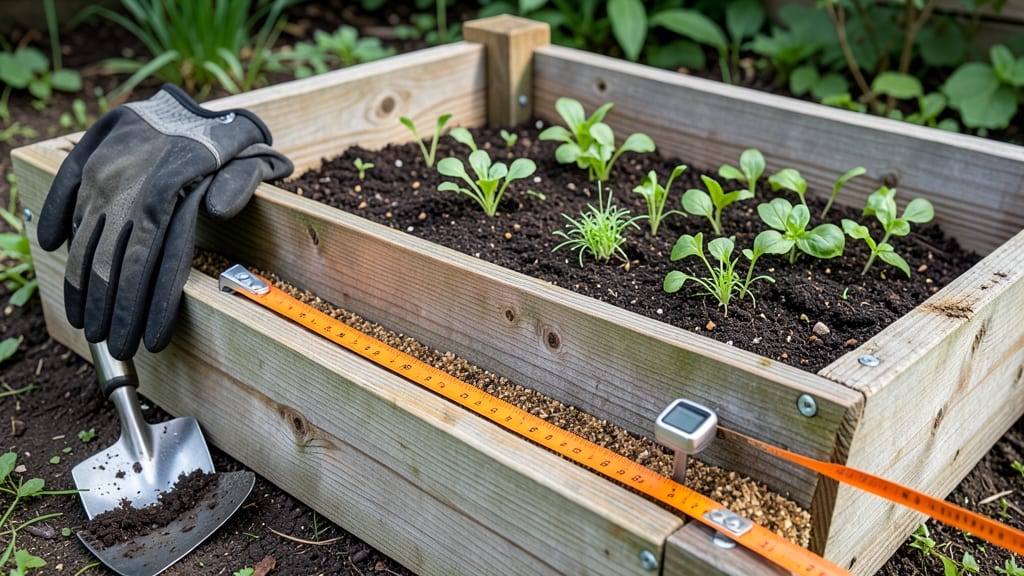
The right raised garden bed soil depth is the foundation of a thriving garden 🌱 — too shallow, and your plants will struggle to grow; too deep, and you waste space and resources.
Struggling to get your raised garden bed plants to thrive? The secret might be hiding in the layers beneath—proper soil depth isn’t just about space, it’s about creating the perfect root-friendly environment for maximum growth.
Most vegetables need at least 6-12 inches of soil to support strong roots and healthy plants, but deep-rooted crops like carrots or potatoes demand even more. Without the right depth, you risk stunted growth, poor drainage, and wasted effort.
In this guide, I’ll break down the ideal soil depth for different plant types, how to layer your bed for optimal drainage and nutrients, and how to adjust for containers or permanent beds. Let’s get your garden off to the best start!
Optimal raised garden bed soil depth by plant type: root systems explained
When designing your raised garden bed, soil depth isn't just about filling space—it's about matching your plant's root system to its ideal growing environment.
Shallow-rooted herbs like basil and thyme thrive in just 6-8 inches of soil, while deep-rooted vegetables like carrots and potatoes need 12-18 inches to reach their full potential. Understanding these differences prevents stunted growth and maximizes your harvest.
Root systems vary dramatically between plant types. Leafy greens such as lettuce and spinach have shallow roots that spread wide, while tomatoes and peppers develop deep taproots that require ample vertical space.
Even fruit-bearing plants like strawberries need 8-12 inches of soil to establish strong root systems for optimal fruit production.
Here's the science-backed breakdown you need to create the perfect root-friendly environment for each plant category in your raised bed:
For shallow-rooted plants, focus on soil quality over depth. These plants benefit from organic matter-rich topsoil that retains moisture while allowing quick root expansion.
A 6-inch depth is perfect for lettuce, radishes, and green onions, but remember to keep the soil consistently moist—their roots can't reach deep water sources.
When planting deep-rooted vegetables, prioritize vertical space. Carrots and parsnips need at least 12 inches of loose, stone-free soil to develop properly.
If your raised bed is only 8 inches deep, consider growing shorter varieties or using containers with deeper soil mixes. Tomatoes are particularly demanding—they can develop roots up to 3 feet deep when given the space!
Mixed planting requires strategic layering. If you're combining shallow-rooted herbs with deep-rooted tomatoes, allocate the bottom 12 inches for the tomatoes and the top 6 inches for the herbs.
This creates a multi-level growing zone that maximizes space without competition. Just be mindful of watering—deep-rooted plants may outcompete shallow ones for moisture.
One common mistake is assuming all plants need the same depth. Strawberries, for example, only need 8-12 inches but produce more berries when their roots have room to spread horizontally. Meanwhile, asparagus crowns should sit just below the
Layering your raised garden bed soil: the perfect foundation for healthy roots
Creating the perfect raised garden bed soil depth starts with understanding that roots aren’t just digging for space—they need a nutrient-rich, well-aerated environment to thrive. A properly layered bed ensures optimal drainage, nutrient availability, and root expansion for all plant types.
Whether you're growing shallow-rooted herbs or deep-rooted tomatoes, the foundation matters more than you might think.
Most gardeners make the mistake of simply filling their beds with topsoil, but this approach often leads to compaction, poor aeration, and nutrient depletion over time. The solution? A strategic layering system that mimics nature’s own soil profile.
By combining drainage materials, organic matter, and fertile topsoil, you create a living ecosystem where roots can flourish from day one.
-
Step 1: Bottom Drainage Layer (2-4 inches)
Use gravel, crushed stone, or perforated landscape fabric to prevent waterlogging. This layer ensures excess water drains away while keeping roots stable. -
Step 2: Carbon-Rich Layer (4-6 inches)
Add coarse wood chips, straw, or shredded leaves to balance moisture and provide long-term organic matter. This prevents compaction and improves aeration. -
Step 3: Nitrogen-Rich Layer (4-6 inches)
Mix in compost, aged manure, or worm castings to feed microorganisms and provide immediate nutrients. Aim for a 2:1 ratio of carbon to nitrogen for optimal decomposition. -
Step 4: Topsoil Layer (6-12 inches)
Finish with high-quality topsoil blended with perlite or vermiculite for extra fluffiness. This top layer should be loose, fertile, and free of weeds or clumps. -
Step 5: Mulch Top Layer (1-2 inches)
Apply straw mulch or wood chips to retain moisture, suppress weeds, and regulate soil temperature. Avoid thick mulch layers that can smother roots.
One of the biggest mistakes I see is over-filling raised beds with too much topsoil, which can lead to root suffocation and nutrient starvation in the lower layers.
If your bed feels too compacted, simply add a 2-inch layer of compost and mix it into the top 6 inches of soil. For deep-rooted plants like asparagus or potatoes, extend the bed’s height to 18-24 inches by adding more carbon-rich materials at the bottom.
Another common pitfall is skipping the drainage layer, especially in clay-heavy soils. Without proper drainage, roots suffocate, and fungal diseases thrive. If your bed already has poor drainage, dig out the bottom 4 inches and replace it with coarse sand or gravel.
For existing beds, consider adding perforated drainage pipes along the sides to redirect excess water.
Remember, the goal isn’t just to fill space—it’s to create a dynamic, living soil ecosystem where roots can access nutrients, water, and oxygen at every level. Test your soil’s pH and nutrient levels before planting, and adjust layers as needed.
With the right foundation, your raised garden bed will support healthier plants, higher yields, and fewer pests—all while reducing the need for synthetic fertilizers.
Now that your layers are in place, it’s time to plant! But before you do, take a moment to water deeply to settle the soil and encourage root growth into those nutrient-rich layers. Happy gardening!