
How To
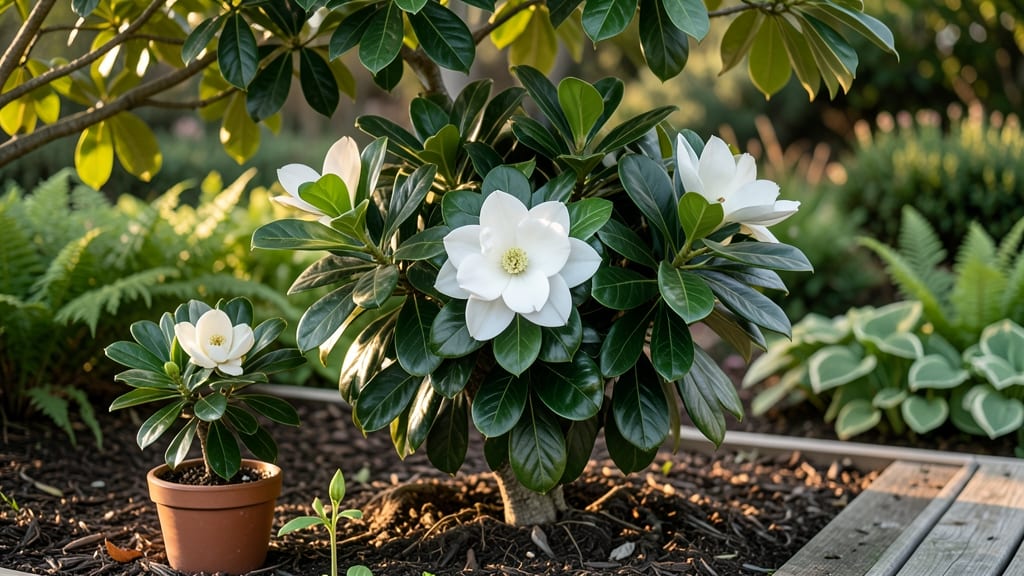
How tall gardenias grow depends on their variety, but they typically reach heights between 3 and 6 feet at maturity—though with the right pruning and care, you can shape them into compact shrubs that fit even small gardens.
If you’ve ever dreamed of a lush, fragrant garden but worried gardenias might outgrow their welcome, you’re in the right place—these tropical beauties can be shaped to fit any space with the right care.
The key to controlling their size lies in understanding their natural growth patterns and how factors like sunlight, pruning, and soil affect their height over time.
In this guide, you’ll discover how to encourage bushier growth, when to prune for maximum blooms, and the simple tricks that keep gardenias from becoming unruly—so you can enjoy their intoxicating scent without the overgrowth.


Natural height range of gardenias and how to control growth
Gardenias are beloved for their intoxicating fragrance and glossy foliage, but their growth habits can vary dramatically depending on the variety and growing conditions. If you're wondering "how tall gardenias grow", the answer depends on whether you're cultivating a dwarf gardenia or a standard shrub.
Most gardenias reach 3 to 6 feet at maturity, but with the right care, you can keep them compact—even as small as 1 to 3 feet—without sacrificing their stunning blooms. The key lies in understanding their natural growth patterns and how to guide them organically.
One of the most common questions gardeners ask is, "Do gardenias stay small?" The short answer is yes, but only if you actively manage their growth. Gardenias are naturally semi-evergreen shrubs that grow best in USDA Zones 7-10, where they thrive in warm climates.
In cooler regions, they may grow more slowly, staying smaller unless given ideal conditions. The secret to controlling their height starts with choosing the right gardenia variety and providing the proper environmental factors to encourage or restrict growth naturally.
| Variety | Mature Height | Growth Rate | Best For |
|---|---|---|---|
| Dwarf Gardenia (Gardenia jasminoides 'Radicans') | 1–3 ft | Slow to moderate | Containers, small gardens |
| Semi-Dwarf Gardenia (Gardenia jasminoides 'Kleim's Hardy') | 3–4 ft | Moderate | Borders, foundation planting |
| Standard Gardenia (Gardenia jasminoides 'Veitchii') | 4–6 ft | Fast | Privacy screens, large gardens |
| Climbing Gardenia (Gardenia augusta) | Up to 15 ft (with support) | Fast | Trellises, arbors |
The gardenia variety you choose is the first step in controlling height. For example, the dwarf gardenia 'Radicans' stays under 3 feet, making it perfect for container gardening or small patios. Meanwhile, the standard gardenia 'Veitchii' can tower up to 6 feet if left unchecked.
Even within the same variety, factors like sunlight exposure, soil quality, and pruning habits can influence how tall your gardenia grows. For instance, gardenias grown in partial shade tend to stay shorter and bushier compared to those basking in full sun.
Light plays a crucial role in determining height. Gardenias thrive in 4 to 6 hours of morning sun, but too much direct afternoon sun can stress the plant, leading to leggy growth and fewer blooms.
If your gardenia is stretching toward the light, it’s a sign it needs more shade or pruning to encourage compact growth. Conversely, gardenias grown in low-light conditions may grow slower but can become sparse and less robust.
The goal is to strike a balance—provide enough light for healthy growth while preventing the plant from becoming too tall or leggy.
Soil conditions are another critical factor in controlling gardenia height. These plants are acid-loving, thriving in soil with a pH between 5.0 and 6.5. If your soil is alkaline, the plant may struggle to absorb nutrients, leading to stunted growth or yellowing leaves.
To keep your gardenia compact, amend the soil with peat moss or composted pine bark to maintain the right pH. Well-draining soil is also essential—gardenias hate soggy roots, which can cause root rot and slow growth.
A mix of sandy loam with organic matter ensures your plant stays healthy and within your desired height range.
Watering habits can also influence how tall your gardenia grows. Overwatering or underwatering can both lead to stress-related growth issues. Gardenias need consistently moist soil, but not waterlogged.
To encourage compact growth, water deeply 2 to 3 times per week during the growing season, then reduce to once a week in winter. Always water at the base of the plant in the morning to prevent fungal diseases, which can weaken the plant and cause it to grow erratically.
Mulching around the base with pine straw or wood chips helps retain moisture and regulate soil temperature, further promoting steady, controlled growth.
Fertilizing your gardenia correctly is another way to manage its height. These plants are heavy feeders but respond poorly to over-fertilization, which can lead to excessive leafy growth at the expense of flowers. Use a balanced, acid-loving fertilizer like a 10-10-
Pruning techniques for compact gardenias: step-by-step guide
Gardenias naturally reach 3-6 feet tall if left unpruned, but with strategic pruning, you can easily maintain a compact shape between 2-4 feet. The key lies in timing, technique, and understanding how these tropical shrubs respond to cuts.
Whether you're growing dwarf varieties or standard gardenias, proper pruning encourages bushier growth while keeping your plant at your desired height.
Most gardeners make the mistake of pruning at the wrong time—either too late in the season or too aggressively. Spring pruning (just after blooms fade) is ideal for shaping, while light fall pruning helps prepare plants for winter.
Let’s break down the exact steps to keep your gardenias lush, fragrant, and perfectly sized for your garden space.
-
Step 1: Gather Your Tools
✂️ Clean, sharp pruners (sterilized with rubbing alcohol)
✂️ Garden shears for thicker branches
✂️ Gloves (gardenia leaves can irritate skin) -
Step 2: Prune After Blooming (Spring)
⏰ Timing: Late spring (May-June) after flowers fade
✂️ Remove: Dead, crossing, or weak branches first
✂️ Shape: Cut back 1/3 of new growth to encourage bushiness -
Step 3: Light Fall Pruning (Optional)
⏰ Timing: Late fall (October-November)
✂️ Trim: Only 10-15% of growth to avoid winter stress
✂️ Avoid: Heavy cuts that expose old wood -
Step 4: Promote Bushier Growth
🌿 Pinch back: New growth tips in summer to stimulate side shoots
💧 Water deeply after pruning to reduce shock
☀️ Ensure: 4-6 hours of sunlight for robust regrowth -
Step 5: Maintain Year-Round
📅 Monthly check: Remove spent blooms to encourage more flowers
✂️ Sanitize tools between cuts to prevent disease
🌱 Mulch: Add 2-3 inches of mulch to retain moisture
One common misconception is that pruning gardenias will stunt their growth entirely. In reality, proper pruning stimulates denser foliage and more blooms.
For example, if your gardenia reaches 4 feet tall but you prefer 3 feet, focus on cutting back the top third of the tallest stems in spring. This redirects energy to lateral branches, creating a fuller, more compact shape.
For dwarf gardenia varieties, like 'Radicans' or 'Kleim's Hardy,' pruning is even simpler—just remove spent blooms and leggy stems to maintain their natural 1-3 foot height. These varieties are perfect for containers or small gardens, but they still benefit from occasional shaping to prevent flopping.
Remember, gardenias thrive on consistency. Avoid drastic pruning in one season—gradual adjustments yield the best results. With these techniques, your gardenias will stay fragrant, bushy, and perfectly sized for years to come. Happy pruning! 🌸