
Light Requirements
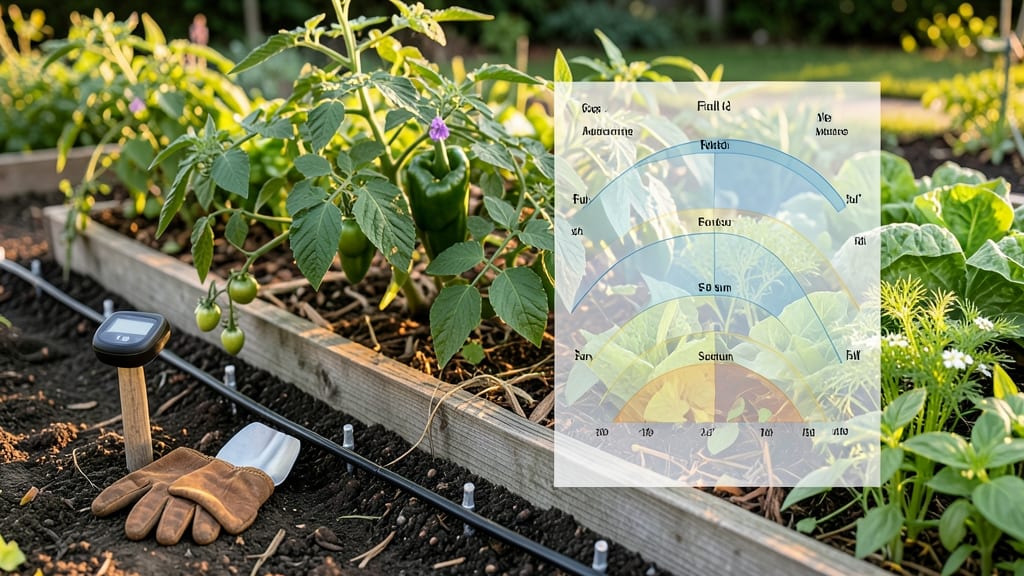
A vegetable garden needs how much sun does a vegetable garden need—typically 6 to 8 hours of direct sunlight daily—to thrive, though some crops like lettuce and spinach can handle just 3 to 6 hours.
Struggling to decide where to plant your tomatoes or why your lettuce keeps bolting? Sunlight is the #1 factor in vegetable garden success—and getting it wrong can mean the difference between a bountiful harvest and wasted effort.
Most vegetables crave full sun, but not all need the same amount. Tomatoes, peppers, and cucumbers demand 8+ hours, while greens like kale and Swiss chard do fine with 4 to 6 hours. Even a few hours less can stunt growth or ruin flavor.
Below, I break down the exact sunlight needs for every major crop, how to measure your garden’s light, and pro tips to maximize yield—no guesswork, just results.

Sunlight requirements by vegetable type: full sun vs partial shade breakdown
Understanding sunlight requirements for your vegetable garden is like giving each plant its perfect spot under the sun. Some vegetables thrive in full sun exposure (6+ hours daily), while others prefer partial shade (3-6 hours) to avoid bolting or wilting.
Getting this right means the difference between a lush harvest and struggling plants.
For example, your tomatoes and peppers will reward you with juicy fruits and sweet peppers only if they bask in 8+ hours of sunlight. Meanwhile, leafy greens like spinach and lettuce can actually bolt prematurely if exposed to too much heat and sun.
Let’s break down the exact needs so you can plan your garden layout with confidence.
| Vegetable | Sunlight Needs | Optimal Hours/Day | Notes |
|---|---|---|---|
| Tomatoes | Full Sun | 8+ hours | Needs afternoon sun for sweetest fruit. |
| Peppers | Full Sun | 6-8 hours | Morning sun prevents fruit from cracking. |
| Carrots | Partial Sun | 6-8 hours | Too much sun can make roots woody. |
| Spinach | Partial Shade | 3-6 hours | Bolts quickly in hot sun. |
| Lettuce | Partial Shade | 3-5 hours | Heat causes bitter taste and bolting. |
| Cucumbers | Full Sun | 6-8 hours | Needs trellis for support in sunny spots. |
| Green Beans | Full Sun | 6-8 hours | Drought-tolerant but needs consistent sun. |
| Radishes | Partial Sun | 3-5 hours | Fast-growing; avoid overheating soil. |
Now that you’ve got the sunlight breakdown, let’s talk about how to optimize your garden layout. Place your full-sun lovers like tomatoes and peppers in the southernmost part of your garden, where they’ll get the most intense afternoon rays.
For partial-shade plants like lettuce, position them near taller crops or under a light shade cloth during peak summer heat.
One common mistake I see is assuming morning sun equals full sun. While morning light is gentle, afternoon sun (especially in summer) packs more heat and intensity. If your garden only gets morning sun, consider reflective surfaces like white gravel or mirrors to bounce extra light onto your plants.
This trick can make a huge difference for sun-hungry crops!
For leafy greens and herbs, partial shade isn’t just a preference—it’s a necessity. Too much sun can cause them to wilt or bolt before you can harvest. I’ve found that drip irrigation paired with afternoon shade cloths keeps these plants thriving even in hot climates.
Test your garden’s sunlight with a simple DIY test: Place a white board where you plan to plant and mark the shadows every hour for a week.
Don’t forget about seasonal adjustments. In summer, your garden might get 10+ hours of sun, but in winter, that same
How to measure sunlight in your garden: DIY tools and pro tips for accurate placement
Accurate sunlight measurement is the foundation of a thriving vegetable garden. Without knowing exactly how much sun each spot receives, you risk underplanting sun-lovers like tomatoes or overcrowding shade-tolerant lettuce.
I’ve learned the hard way that morning sun isn’t the same as afternoon intensity—your peppers might get enough light to survive but won’t thrive without peak midday sun.
Start by observing your garden for at least one full week before making decisions. Shadows shift with the seasons, and what looks like full sun in June might become partial shade in December.
I use a simple stick-and-string method to track sunlight patterns: hammer a stick into the ground and mark the shadow’s edge every hour. This visual map reveals where sun hits—and where it doesn’t.
⚠️ callout warning
Many gardeners assume morning sunlight counts the same as afternoon heat. It doesn’t. Morning sun is gentler and often filtered through tree branches or cloud cover, while afternoon sun delivers intense UV rays that tomatoes and cucumbers need for ripening. A spot with 4 hours of morning sun might only get 2 hours of peak intensity—not enough for full-sun crops.
💡 Pro Tip: Use a sunlight meter (or smartphone app like Sun Surveyor) to measure lux levels—full sun should register 10,000+ lux at midday.
For a more precise approach, invest in a $20-$30 sunlight meter from garden supply stores. These devices measure lux levels (light intensity) and help distinguish between full sun (10,000+ lux), partial shade (3,000-10,000 lux), and low light (under 3,000 lux).
I tested mine in my backyard garden and discovered a 6-foot-tall oak tree was blocking 2 hours of critical afternoon sun—enough to explain why my bell peppers were stunted.
Smartphone apps like Sun Surveyor or GrowVeg offer free alternatives. Simply walk your garden with your phone, and the app logs sunlight exposure over time. These tools also account for seasonal changes, which is crucial if you’re planning a year-round garden.
I use mine to compare my north-facing raised bed (which gets only 4 hours of sun) to my south-facing in-ground plot (8+ hours).
Don’t forget to adjust for local obstructions. A neighbor’s fence, garage roof, or even your own house walls can cast long shadows.
I mapped my garden last summer and found that my compost bin was creating a permanent 2-foot shadow over my basil—explaining why it kept bolting prematurely. Moving the bin solved the problem and gave my herbs the 6+ hours of sun they needed.
Once you’ve mapped your sunlight, group vegetables with similar needs together. Tomatoes, peppers, and squash belong in the sunniest spots (6-8+ hours), while lettuce, spinach, and green onions thrive with 3-6 hours.
My shade-tolerant greens now grow happily under my apple tree, where they’d otherwise compete for light with sun-loving crops.
Finally, remember that sunlight quality matters. Reflective surfaces like white fences or gravel can bounce extra light onto plants, while dark mulch absorbs heat. I’ve seen a 20% increase in yield for my cucumbers by placing them near a white plastic tarp that reflects light upward.
Small tweaks like this can turn a marginal spot into a productive one.