
How To
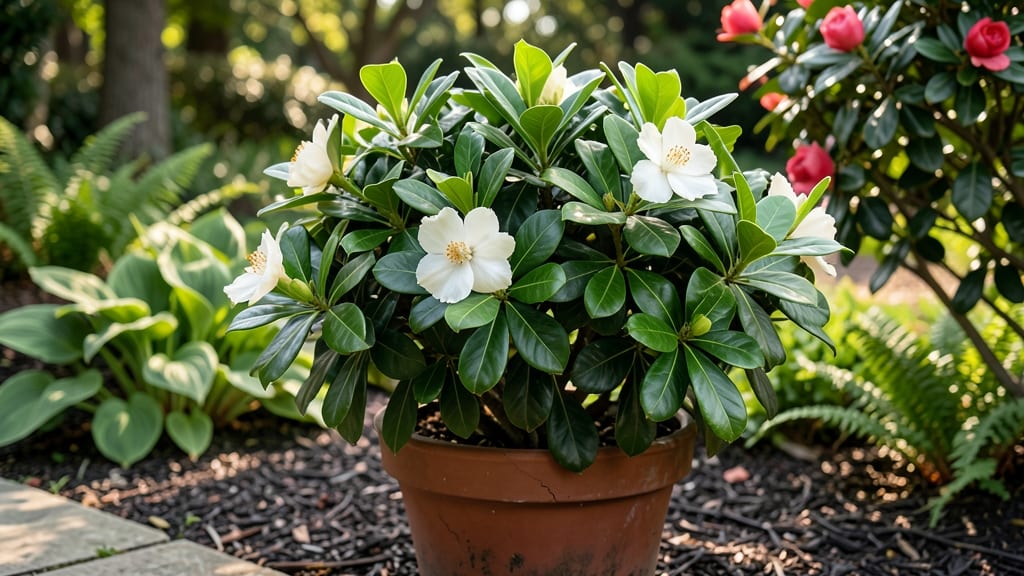
Gardenia shrubs can grow anywhere from 1 to 15 feet tall, depending on the variety you choose and how you care for them.
Wondering if your garden has space for gardenias? These fragrant shrubs come in stunning varieties—but their mature heights can vary dramatically, from compact bushes to towering specimens.
If you’re working with limited space, dwarf varieties like 'Kleim’s Hardy' stay around 3 to 5 feet, perfect for containers or small yards. On the other hand, varieties like 'Radicans' can reach 10 to 15 feet, making them ideal for privacy screens or large landscapes.
In this guide, I’ll break down the height ranges by variety, share pruning tips to control growth, and help you pick the best gardenia for your space—so you can enjoy those intoxicating blooms without overcrowding.


Gardenia height ranges by variety: compact vs. tall shrubs
When planning your garden, one of the first questions I ask is: how tall do gardenias grow? The answer depends entirely on the variety you choose, as gardenias range from compact bushes under 3 feet to towering shrubs over 12 feet.
This dramatic variation means you can easily find a gardenia that fits your space—whether it's a small patio or a sprawling landscape.
Most gardenias belong to the Gardenia jasminoides species, but their growth habits differ significantly. Dwarf varieties stay manageable for containers or borders, while tall varieties make stunning privacy screens. Understanding these differences helps you select the perfect plant for your vision without overcrowding or underutilizing space.
| Variety | Mature Height | Growth Habit | Ideal Spacing | Best For |
|---|---|---|---|---|
| 'Kleim’s Hardy' | 3–5 ft | Upright, mounding | 3–4 ft apart | Containers, borders |
| 'Radicans' | 10–15 ft | Vining, climbing | 8–10 ft apart | Privacy screens, trellises |
| 'Fortuniana' | 6–8 ft | Bushy, rounded | 5–6 ft apart | Foundation plantings |
| 'Veitchii' | 4–6 ft | Compact, dense | 3–4 ft apart | Urban gardens, patios |
| 'Mystery' | 2–3 ft | Dwarf, bushy | 2–3 ft apart | Containers, window boxes |
| 'Augusta' | 8–12 ft | Tall, upright | 7–8 ft apart | Large landscapes, hedges |
For example, the 'Kleim’s Hardy' gardenia stays between 3–5 feet tall, making it ideal for small gardens or container growing. Its mounding growth habit means it spreads wider than it grows, so I space these plants 3–4 feet apart to prevent overcrowding.
This variety is perfect for adding fragrance to patios or as a border plant near walkways.
The 'Radicans' variety, on the other hand, can reach 10–15 feet tall if given the right conditions. This climbing gardenia thrives when trained on a trellis or fence, making it a fantastic choice for privacy screens or vertical gardens.
I recommend planting it 8–10 feet away from structures to allow room for its sprawling vines.
If you're working with limited space, consider 'Mystery' gardenia, a true dwarf variety that tops out at just 2–3 feet. Its compact size makes it perfect for window boxes or small containers, even on balconies.
I often use this variety in urban gardens where space is at a premium, and it still delivers that signature intoxicating fragrance.
For larger landscapes, 'Augusta' gardenia is a standout with heights of 8–12 feet. This tall, upright shrub excels as a foundation plant or hedge, providing both height and structure. When planting, I space these 7–8 feet apart to create a lush, fragrant barrier that grows over time.
One key factor influencing gardenia height is pruning. Regular pruning helps control growth and encourages bushier, more compact shapes. For taller varieties, I prune in late winter to remove dead wood and shape the plant, while dwarf varieties benefit from light trimming after flowering to maintain their size.
When selecting a gardenia, also consider your USDA hardiness zone. Most varieties thrive in zones 7–10, but some, like 'Kleim’s Hardy', are cold-hardy down to zone 6. This means you can grow gardenias in cooler climates if you choose the right variety for your area.
Finally, remember that soil conditions play a role in height. Gardenias prefer well-draining, acidic soil (pH 5.0–6.0) and consistent moisture.
If your soil is too alkaline or compacted, the plant may struggle to reach its full height potential, so amending the soil with peat moss or compost can make a difference.
With so many options, there’s a gardenia height to match every garden—whether you're dreaming of a fragrant hedge
How gardenia growth habits affect height and pruning needs
Understanding a gardenia's natural growth habit is key to managing its height and shape. These shrubs grow in three primary patterns: upright, mounding, or trailing, each requiring different pruning approaches.
Upright varieties like 'Radicans' can reach 10-15 feet if unchecked, while mounding types like 'Kleim’s Hardy' stay between 3-5 feet. Trailing varieties, though rare, sprawl horizontally, needing horizontal pruning to control spread.
Your pruning strategy should align with these habits to maintain your desired gardenia size and encourage abundant blooms.
Pruning isn't just about cutting back overgrowth—it's about guiding growth and enhancing blooms. For upright gardenias, selective pruning in late winter removes dead wood and shapes the shrub while promoting new growth from the base.
Mounding varieties benefit from light trimming after flowering to maintain their rounded shape, while trailing types need horizontal cuts to keep them contained. Each approach ensures your gardenia stays healthy and within your garden's design parameters.
- Upright varieties (e.g., 'Radicans') grow 10-15 ft tall—prune annually to control height and encourage blooms.
- Mounding types (e.g., 'Kleim’s Hardy') stay 3-5 ft tall—trim after flowering to maintain shape and stimulate new growth.
- Trailing gardenias (rare) sprawl horizontally—prune laterally to contain spread and promote bushiness.
- Always prune after blooming (late summer/early fall) to avoid cutting next year’s flowers.
- Use sterilized shears and clean cuts to prevent disease and promote faster healing.
Seasonal timing is crucial for pruning gardenias effectively. Late winter or early spring (just before new growth starts) is ideal for structural pruning to shape the shrub and remove dead branches.
However, avoid heavy pruning in fall or winter, as this can stress the plant and reduce next year’s blooms. For bloom encouragement, light pruning after flowering (late summer) helps redirect energy to new flower buds for the following season.
If your gardenia is growing taller than desired, topping (cutting back the top growth) can reset its height, but do this sparingly—over-pruning can reduce flowering. For mounding varieties, thinning out dense areas improves airflow and light penetration, which is essential for preventing fungal diseases like powdery mildew.
Always step back after pruning to ensure the gardenia maintains a balanced and aesthetically pleasing shape that complements your garden’s design.
Pruning also plays a role in encouraging larger blooms. By removing overcrowded branches and weak stems, you allow the plant to focus its energy on producing fewer but larger, more fragrant flowers.
This is especially important for varieties like 'Mystery', which are prized for their double blooms. Regular pruning ensures your gardenia stays vibrant, healthy, and full of those intoxicating jasmine-like fragrances that make them a garden favorite.
Finally, don’t forget that soil health and sunlight directly impact growth habits. Gardenias thrive in well-draining, acidic soil (pH 5.0-6.0) with partial shade—too much sun can stunt growth, while poor soil conditions lead to leggy, weak stems.
Combine proper pruning with optimal growing conditions, and your gardenia will reach its full potential height while staying lush, blooming, and beautiful year after year.