
How To
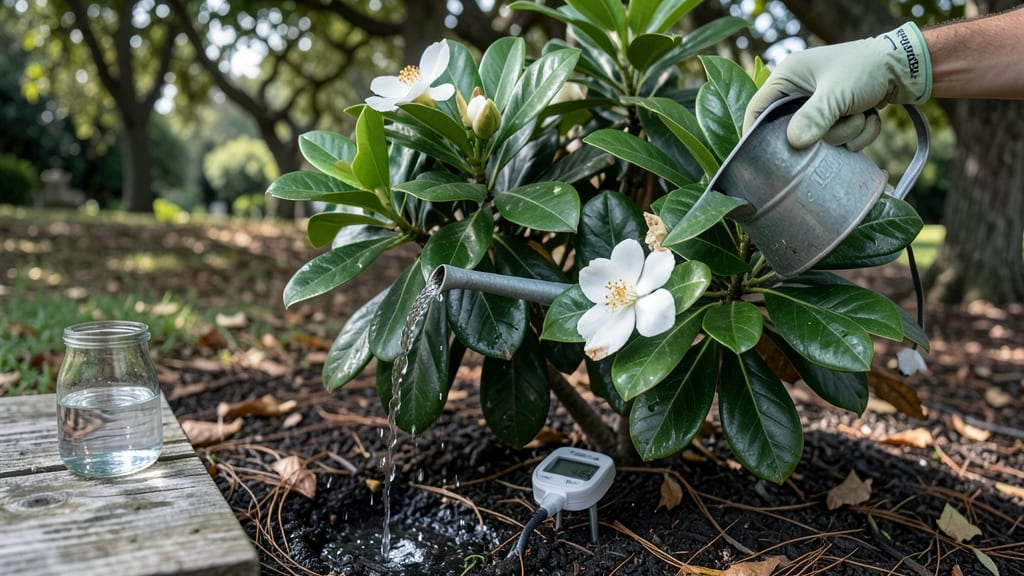
To water gardenias the right way, aim for deep soaks every 2-3 days in spring and summer—this keeps the roots happy without drowning them.
Struggling to keep your gardenia blooms vibrant and healthy? Overwatering or underwatering can turn your prized plant into a sad, wilted shadow. The trick is checking the soil 1-2 inches down—if it’s dry, it’s time to water; if it’s soggy, you’ve gone too far.
I’ve lost count of how many gardenias 🌸 I’ve nursed back from root rot, and I’ll share those hard-earned lessons ahead.
Gardenias thrive in consistently moist but never waterlogged soil, which means your routine should change with the seasons. In summer’s heat, you might water daily, while winter slows things down to once a week.
The key is balancing moisture with airflow—too much water without drainage is a fast track to fungal problems.
Below, I’ll break down the exact watering schedule by season, how to tell if your gardenia is thirsty or drowning, and the one simple test that saves 90% of overwatering mistakes. Let’s get those blooms thriving!
The ideal watering frequency for gardenias by season (with soil test guide)
Mastering the watering schedule for your gardenia plants is key to keeping those fragrant blooms thriving year-round. Unlike drought-tolerant succulents, gardenias demand consistent moisture—but too much water can drown their delicate roots. The secret lies in understanding seasonal needs and testing soil moisture before watering.
Gardenias are tropical shrubs that prefer damp but not soggy soil. In my USDA Zone 7a garden, I’ve learned that overwatering in winter and underwatering in summer are the biggest mistakes. The solution? A seasonal watering guide paired with a simple soil test to avoid guesswork.
To avoid root rot or drought stress, I always perform a simple soil moisture test before watering. Stick your finger 2-3 inches deep into the soil—if it feels dry, it’s time to water. For container gardenias, check the top 1 inch since pots dry out faster.
Young gardenias need more frequent watering because their root systems are still developing. I water my 1-year-old plants every 1-2 days in summer, while mature shrubs can handle slightly longer intervals. The key is deep watering—always soak the soil until water drains from the bottom of containers.
In summer heat, gardenias may need daily watering, especially if you’re in a hot climate. I’ve found that morning watering (before 10 AM) prevents fungal diseases like powdery mildew that thrive in damp leaves. Always water at the base of the plant to keep foliage dry.
Fall is the time to reduce watering frequency as temperatures drop. I cut back to every 3-4 days and monitor soil moisture closely. Overwatering in fall can lead to root rot, especially in heavy clay soils. A 3-inch soil test becomes your best friend during this transition season.
Winter care is about minimal watering. Gardenias enter dormancy, and their roots need to breathe. I water only when the top 4 inches of soil feel completely dry—usually every 7-10 days. This prevents waterlogged roots while keeping the plant hydrated enough to survive cold snaps.
Pro tip: Use a moisture meter for accuracy, especially if you’re new to gardening. I keep one handy for my gardenia beds—it takes the guesswork out of soil moisture levels. For potted gardenias, consider adding perlite to soil to improve drainage and reduce watering frequency.
Remember, gardenias are acid-loving plants, so always use rainwater or distilled water if possible. Tap water with high chlorine or alkaline content can stress your plants over time. With this seasonal guide and soil test method, your gardenias will stay lush, blooming, and healthy all year.
5 Signs your gardenia is Overwatered or Underwatered (and how to fix it)
Your gardenia thrives on consistency, but striking the right balance with water can feel like walking a tightrope. Too much moisture leads to root rot and mold, while too little causes wilting and stunted growth.
The key lies in observing subtle visual cues—like leaf discoloration or soil texture—that reveal whether your plant is thirsty or drowning. I’ve seen gardeners lose prized plants simply because they ignored these early warning signs.
Start by checking the soil moisture with your finger. Stick it about 2 inches deep—if it feels damp, hold off on watering. If it’s dry, it’s time to hydrate. But don’t rely solely on this method; gardenias also communicate their needs through leaf condition and growth patterns.
Yellowing leaves, for example, often signal overwatering, while crispy, brown edges scream dehydration. Let’s break down these signs and how to rescue your plant.
- 1. Yellowing Leaves – Overwatered. Leaves turn yellow and mushy; check for mold or fungus at the base.
- 2. Wilting or Drooping – Underwatered. Leaves lose turgor pressure and feel limp; soil is bone-dry.
- 3. Brown Leaf Edges – Underwatered. Crispy, brittle edges indicate severe dehydration.
- 4. Mold or Fungus – Overwatered. White, fuzzy growth on soil or stems signals excess moisture.
- 5. Slow Growth or No Blooms – Either. Both overwatering and underwatering stress the plant, halting flowering.
If your gardenia shows signs of overwatering, act fast. Stop watering immediately and let the soil dry out. For severe cases, gently remove the plant from its pot, trim any mushy roots, and repot it in fresh, well-draining soil.
To prevent future issues, ensure pots have drainage holes and avoid letting water pool at the base. Mulching around the plant can also help regulate moisture levels.
For underwatered gardenias, deep watering is your best friend. Soak the soil until water drains from the bottom of the pot, then wait until the top inch feels dry before watering again.
In extreme cases, place the pot in a shallow tray of water for 10-15 minutes to rehydrate the roots. After recovery, adjust your watering schedule to match the plant’s needs—typically every 2-3 days in summer and every 7-10 days in winter.
Remember, gardenias are tropical plants that love humidity. If your home is dry, consider misting the leaves or using a pebble tray to boost moisture levels. Pay attention to seasonal changes too—your watering routine in summer heat should differ from your winter care.
With these adjustments, your gardenia will bounce back with lush foliage and fragrant blooms in no time.
Don’t let watering stress steal your gardenia’s beauty. By tuning into these signs and adjusting your care, you’ll keep your plant thriving year-round. Happy gardening! 🌸