
Plants
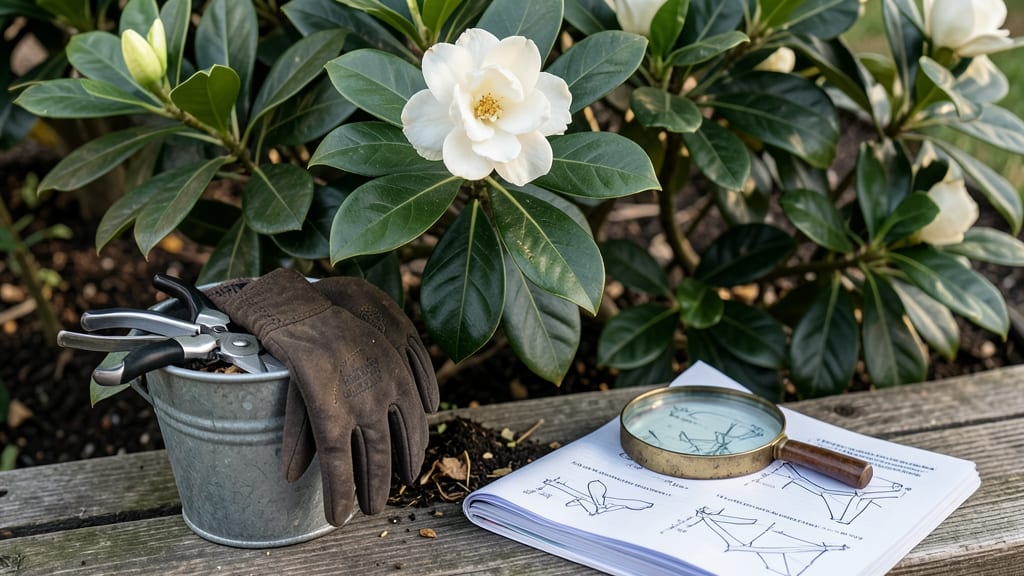
To prune gardenia plants for healthy blooms and strong growth, aim for late winter or early spring—right after flowering fades and before new shoots emerge.
Struggling to keep your gardenia plants blooming beautifully? The secret lies in precise pruning timing—do it wrong, and you risk stunted growth or no flowers at all. 🌸
Gardenia thrives in USDA Zone 9b and beyond, but the timing shifts slightly in cooler climates. Late winter (February–March) is ideal for most regions, while tropical zones can prune year-round with care.
In this guide, I’ll break down the exact moments to trim, how to shape your gardenia without harming future blooms, and what to watch for after pruning to keep your plant lush and flowering.
Best time of year to prune gardenia plants for maximum blooms
Pruning your gardenia plants at the right time can transform your shrub from a sparse bloomer to a fragrant, flower-filled beauty. The key lies in understanding their natural growth cycle—timing matters more than technique.
Gardenias bloom on old wood, meaning last year's growth produces this year's flowers. Cut too early, and you risk sacrificing next season's blooms. Cut too late, and you may stunt new growth before winter.
Most gardeners make the mistake of pruning after the flowering season ends, but this is actually the worst time. Instead, the optimal pruning window aligns with your gardenia's dormant or early growth phase.
For most climates, this means late winter to early spring, just as new buds begin to swell but before active growth kicks in. This timing ensures you're not removing potential bloom sites while still encouraging a strong, healthy structure for the coming season.
Here's the critical distinction: spring pruning (February-March in most zones) focuses on shaping and rejuvenation, while summer pruning (after blooms) should be minimal and only for dead or diseased wood. The comparison below breaks down the seasonal differences and climate-specific adjustments you'll need to make.
| Season | Best Time | Purpose | Climate Notes | What to Avoid |
|---|---|---|---|---|
| Late Winter | February-March | Rejuvenation pruning (remove up to 1/3 of oldest wood) | Ideal for zones 9-11; wait until last frost in cooler zones | Cutting into new buds or current season's growth |
| Early Spring | March-April | Light shaping (remove only dead/diseased branches) | Best for zones 7-8; align with first signs of new growth | Heavy pruning that removes more than 20% of foliage |
| Summer | June-July (post-bloom) | Minimal cleanup (only dead/damaged wood) | Avoid in humid climates (increases disease risk) | Pruning that removes potential next-year's bloom sites |
| Fall | September-October | No pruning (except emergency cleanup) | Critical for zones 7 and below; prepares for dormancy | Any pruning that exposes fresh cuts to winter |
| Winter | December-January | Observation only (plan next year's pruning) | Best for tropical zones (9-11); no active growth | Pruning during frost or extreme cold |
For gardeners in cooler climates (zones 7-8), the timing shifts slightly. Prune in early spring (March-April) after the last frost date, but before the plant shows signs of active growth. This gives your gardenia time to harden off before summer heat.
In tropical zones (9-11), you have more flexibility—prune in late winter (January-February) to align with the natural dry season and encourage new growth before the rainy season begins.
The natural growth cycle of gardenias makes spring pruning ideal because it coincides with their dormant-to-active transition. When you prune in late winter or early spring, you're removing last year's oldest wood, which naturally declines in productivity.
This makes room for younger, more vigorous branches that will produce next year's blooms. Think of it like giving your gardenia a haircut after a nap—it wakes up refreshed and ready to grow.
One common mistake is pruning right after the flowering season ends. While it might look logical to tidy up after blooms, this removes potential next-year's flower buds, which form on current season's growth.
Instead, wait until late summer (August-September) for minimal cleanup, focusing only on dead, diseased, or crossing branches. This light touch maintains the plant's energy balance without sacrificing future blooms.
Climate plays a surprisingly large role in pruning timing. In humid climates, prune during the dry season (even if it's summer) to reduce disease risk from fresh cuts. In arid regions, prune in late winter to encourage new growth before the heat sets in.
Always adjust your schedule by 2-4 weeks based on your local last frost date—this ensures you're never pruning too early and exposing the plant to cold stress.
Pro tip: Mark your calendar based on your gardenia's bloom cycle. If your plant typically blooms in June-July
Step-by-step guide to pruning gardenias without killing future blooms
Pruning gardenias might seem intimidating, but mastering the right technique ensures vibrant blooms and healthy growth for years. The key is balancing deadwood removal with shape preservation—cut too much, and you risk fewer flowers next season.
I’ll walk you through the exact steps, from identifying cuts to tool selection, so your gardenia thrives.
Timing matters most: prune gardenias right after blooming (late spring to early summer) to avoid sacrificing next year’s flowers. This is when the plant has finished flowering but still has energy stored for new growth. Skipping this window means you might trim next season’s buds by accident—oops!
When to Prune Gardenias
- Step 1: Wait until after flowering (late spring/early summer) to prune. This ensures you don’t cut off next year’s buds, which form on old wood.
- Step 2: Remove dead or diseased branches first—these are easy to spot and should be cut back to healthy growth.
- Step 3: Thin out overcrowded branches to improve air circulation and reduce pest risks. Aim to keep the center open.
- Step 4: Shape the plant by trimming back long, leggy growth to encourage denser foliage and more blooms.
- Step 5: Never cut more than 1/3 of the plant at once—this stresses gardenias and reduces flowering.
Now, let’s talk tools. Use sharp, sterilized pruners for clean cuts—dull tools crush stems and invite disease. For thicker branches, grab loppers or a pruning saw. Always disinfect your tools with rubbing alcohol between cuts to prevent bacterial spread.
One common mistake is pruning in fall or winter, which can stunt new growth or leave the plant vulnerable to frost. Another is cutting too close to buds—always leave a small stub (about 1/4 inch) to avoid damaging future blooms.
And never shear randomly—gardenias bloom on old wood, so precision matters.
After pruning, give your gardenia a light fertilizer with high phosphorus (like 10-10-10) to encourage root recovery and new growth. Water deeply but avoid soaking the leaves to prevent fungal issues.
With the right timing and technique, your gardenia will reward you with lush foliage and fragrant blooms all season.