
Watering
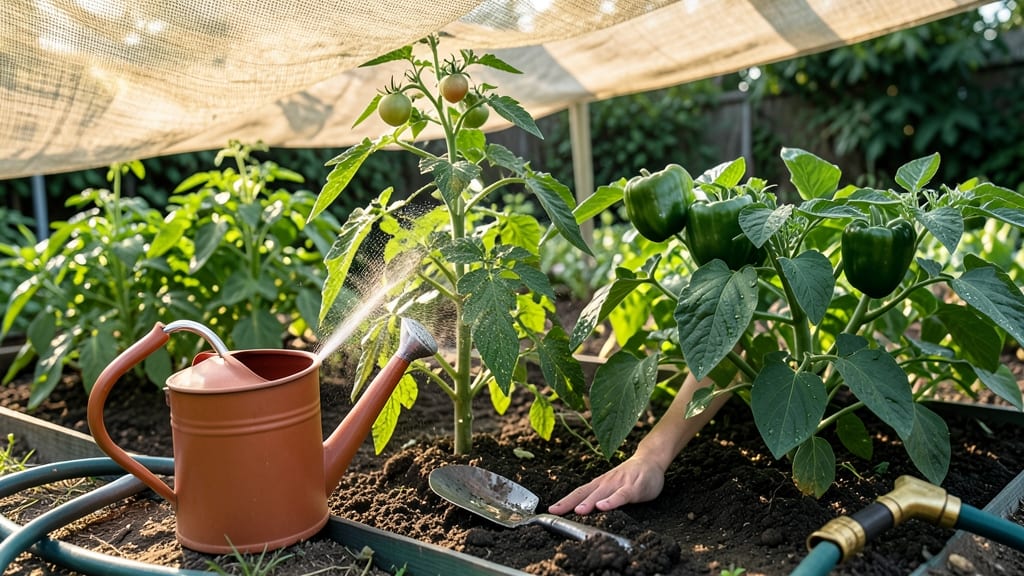
You should water your veggie garden 🥦 based on soil moisture, plant needs, and weather—not just a calendar.
Overwatering or underwatering your vegetable garden can mean the difference between a thriving harvest and wilted disappointment—so how do you strike the perfect balance?
Most gardeners guess, but the truth is, soil type and seasonal shifts change everything. Sandy soil drains fast, while clay holds moisture too long, and summer heat demands daily checks. Below, I’ll break down the science-backed schedule, plus the simple soil test that saves you from overdoing it.
Ready to water with confidence? You’ll learn how often to water by plant type, the best times of day, and how to spot when your veggies are thirsty—or drowning.
How often to water vegetables based on soil type and climate
Watering your vegetable garden isn't a one-size-fits-all task—it depends on your soil type, local climate, and even the stage of plant growth. Sandy soil drains quickly, while clay holds moisture for days, and tropical climates demand more frequent watering than arid regions.
Understanding these factors ensures your plants get the perfect moisture balance without wasting water or drowning roots.
For example, my tomato plants in loamy soil need deep watering every 2-3 days in summer, but the same plants in sandy soil might require daily watering. Meanwhile, leafy greens like lettuce thrive with consistent shallow moisture, while root crops like carrots prefer deep, infrequent watering.
Let's break down the science and practical tips to tailor your watering schedule.
Your local climate zone plays a massive role in watering frequency. In arid regions like Arizona or Nevada, vegetables often need daily watering during peak summer months to combat high evaporation rates.
Meanwhile, in temperate zones like the Pacific Northwest, you might only need to water every 3-5 days unless it's unusually dry. Even within the same climate, microclimates—like a sunny south-facing bed versus a shaded north corner—can change watering needs by 30-50%.
I once had peppers in a raised bed that wilted despite my daily watering—until I realized the bed was in a full-sun microclimate while the rest of my garden was partially shaded.
Moving them to a morning-watered spot with mulch saved the harvest. This shows how observation and adjustment are key to nailing your watering schedule.
Seasonal shifts also demand flexibility. In spring, when soil is still cool, vegetables like broccoli and cauliflower need less frequent watering (every 4-5 days) because they grow slower. But by mid-summer, the same plants may need daily watering to prevent bolting or blossom-end rot in tomatoes.
Always check the soil moisture 1-2 inches down—that's where roots actively seek water.
For container gardens, the rules change entirely. Potted vegetables dry out 2-3 times faster than in-ground plants because containers have limited soil volume and no ground moisture reserve. I water my herbs in pots every 2-3 days in summer, even if the soil looks damp.
A simple trick? Stick your finger in the soil—if it's dry past your first knuckle, it's time to water. For large containers (10+ gallons), deep watering every other day works better.
Don't forget about mulching, which can reduce watering needs by 30-50%. Organic mulch like straw or wood chips slows evaporation and keeps soil temperatures stable. I apply a 3-inch layer around my
The ultimate soil moisture test: 3 simple methods to check before watering
Before grabbing your hose or watering can, I always check the soil moisture—it’s the best way to avoid both overwatering and underwatering your vegetable garden. Too much water drowns roots, while too little stunts growth.
The key is finding that sweet spot where your plants get just enough moisture to thrive without wasting water or risking disease.
You don’t need fancy tools to test soil moisture. In fact, I rely on three simple methods that take less than a minute each. These techniques help me adjust my watering schedule based on real-time conditions, not guesswork.
Whether you’re growing tomatoes, lettuce, or peppers, these tests work for every vegetable in your garden.
- 👆 Finger Test
Stick your finger 1-2 inches deep into the soil. If it feels dry, it’s time to water. If it’s damp but not soggy, wait another day.
- 📏 Moisture Meter
Use a digital meter for precise readings. Most meters show moisture levels with colors: green (moist), yellow (needs water), or red (dry). I love these for container gardens where soil dries out faster.
- 🌱 Visual Inspection
Check leaves and stems for signs: wilted leaves mean thirsty plants, while yellowing or mushy stems signal overwatering. I also look for cracked soil between plants—this is a clear sign to water deeply.
Once you’ve tested the soil moisture, adjust your watering schedule accordingly. For example, if your finger test shows dry soil and your lettuce leaves are wilting, water immediately.
But if the meter reads green and the soil feels damp, hold off for another 24 hours. This method saves water and keeps your plants healthy.
I’ve learned that morning watering is best—it reduces evaporation and gives plants time to absorb moisture before the heat of the day. Avoid watering in the evening, as damp leaves can lead to fungal diseases like powdery mildew.
Always water at the base of plants, not the leaves, to keep foliage dry.
For sandy soil, which drains quickly, you might need to water every 2-3 days, while clay soil can go 5-7 days between waterings. Pay attention to your local climate too: hot, dry summers mean more frequent watering, while cooler months can stretch the time between sessions.
Keep a garden journal to track what works best for your specific setup!
By mastering these three soil moisture tests, you’ll water your vegetable garden with confidence. No more guesswork—just healthy, thriving plants ready for harvest. Your future tomatoes and peppers will thank you! 🌱