
Watering
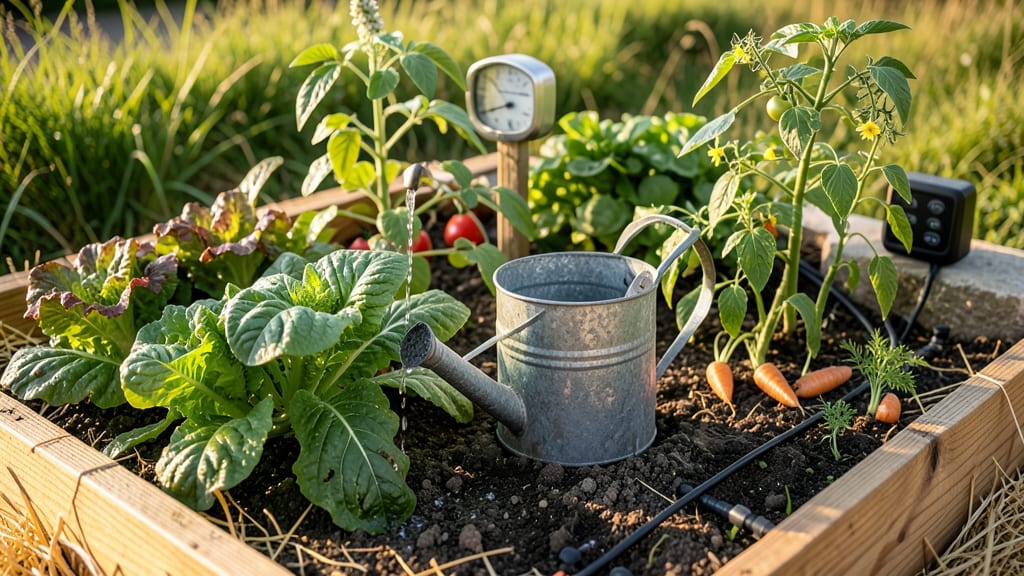
Mastering your vegetable garden's watering frequency is the key to thriving 🌱 plants and a harvest that actually makes it to the table.
Overwatering or underwatering your vegetable garden can mean the difference between a bountiful harvest and wilted disappointment—yet most gardeners guess rather than follow precise watering schedules tailored to each plant.
Think about it: too much water drowns roots, while too little stresses plants and shrinks yields. The trick lies in knowing exactly how often to water based on plant type, soil, and weather—without turning your garden into a science experiment.
In this guide, I’ll break down the ideal watering intervals for 15+ common vegetables, teach you how to read your soil for perfect moisture, and share pro tips to cut water waste while keeping your garden healthy all season.
How often to water vegetables: exact frequency by plant type
Watering your vegetable garden isn't a one-size-fits-all task. Each plant has unique needs based on its growth stage, soil type, and climate conditions. For example, tomatoes and peppers need consistent moisture, while root crops like carrots prefer drier soil.
Understanding these differences ensures your plants thrive without wasting water or risking stress.
Climate plays a huge role too. In humid regions, you might water every 3-4 days, while drought-prone areas may require daily watering during peak summer. Even soil composition matters—sandy soil drains quickly, demanding more frequent watering, while clay holds moisture longer.
Let's break down the science-backed watering schedules for 15+ common vegetables to help you tailor your approach.
To simplify, I’ve organized this guide by plant categories—leafy greens, fruiting plants, and root vegetables—with exact watering intervals. Always check soil moisture by sticking your finger 1-2 inches deep; if it feels dry, it’s time to water.
Mulching also helps retain moisture, reducing how often you need to water.
For tomatoes, deep watering 2-3 times per week is critical, especially during fruiting. Shallow watering leads to blossom-end rot, a common issue caused by inconsistent moisture. Use a soaker hose or drip system to deliver water directly to the roots, reducing evaporation and fungal risks.
In humid climates, water in the early morning to prevent fungal diseases like early blight.
Leafy greens like lettuce and spinach
Signs your vegetable garden needs water (or too much)
Your vegetable garden sends clear signals when it's thirsty or drowning in water. Wilted leaves or yellowing foliage often mean your plants need hydration, while mushy stems or fungal spots scream "too much water!" Understanding these cues helps you adjust before damage sets in.
Start by checking the soil moisture—stick your finger 1-2 inches deep. If it feels dry, most vegetables need a deep watering (1-2 inches per week). But if the soil stays soggy for days, you're overwatering, which can suffocate roots and invite pests.
🌱
Watering Your Vegetable Garden
✅ DO This
- Water deeply 1-2x/week (1-2 inches)
- Use morning watering to reduce evaporation
- Check soil moisture before watering
- Apply mulch to retain moisture
- Adjust for rainy seasons (skip watering)
❌ DON'T Do This
- Water lightly daily (encourages shallow roots)
- Water at night (promotes fungal growth)
- Ignore yellowing leaves (sign of over/under-watering)
- Let soil stay waterlogged for days
- Water without checking soil (guesswork fails)
For underwatered plants, look for crispy leaf edges or drooping stems. Give them a slow, deep drink at the base to encourage strong roots. Tomatoes and peppers wilt fastest in heat, while leafy greens like lettuce show stress by bolting (sending up flower stalks).
Overwatering is trickier to spot. Moldy soil, white fungal growth, or rotting roots are red flags. Stop watering immediately, let the soil dry slightly, and improve drainage with compost or sand. Blossom-end rot in tomatoes? That’s often a sign of inconsistent moisture—keep soil evenly damp during fruiting.
💧
Pro tip: Group plants with similar water needs together. Drought-tolerant crops like zucchini or squash can handle less frequent watering, while delicate herbs like basil need consistent moisture. Adjust your routine by season—summer demands more water, while spring and fall require less.