
How To
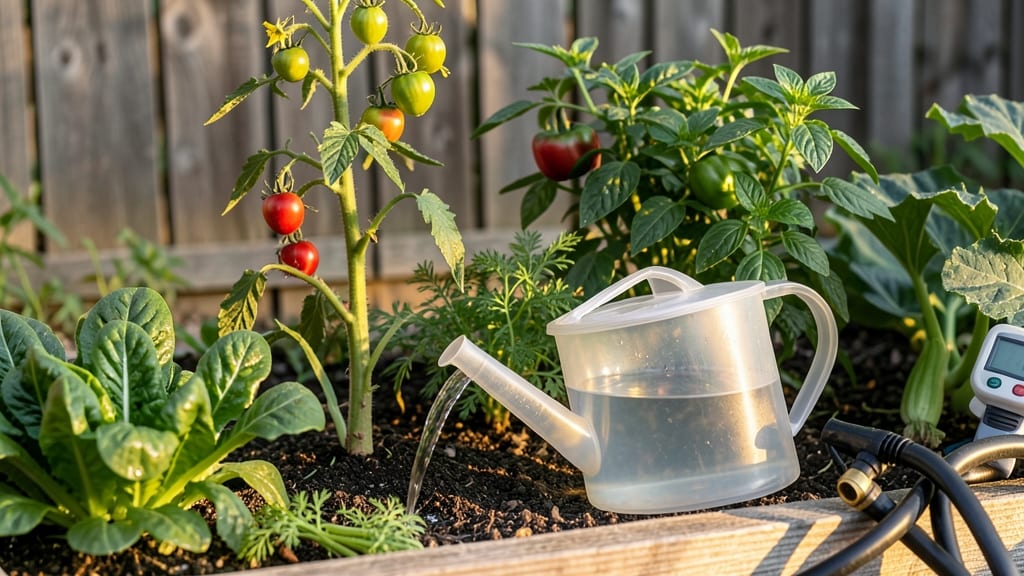
Watering your vegetable garden the right length of time is the difference between thriving 🥕 plants and wasted effort.
Overwatering or underwatering your vegetable garden can turn your green thumb into a brown disaster—yet most gardeners struggle to know exactly how long to water for optimal growth.
The answer depends on your soil type, the plants you’re growing, and even the time of year. A quick soak for leafy greens won’t cut it for deep-rooted tomatoes, and summer heat demands extra time compared to spring showers.
Below, I break down the science-backed watering durations by plant type, soil adjustments, and seasonal tweaks to keep your garden lush without a drop wasted.


Deep-watering time rules by vegetable type (10-40 minutes explained)
Getting your vegetable garden's watering schedule right is like giving your plants a perfect drink—too little and they wilt, too much and they drown. The key lies in understanding how long to water based on root depth and plant type.
Most gardeners overlook that leafy greens need shallower hydration while root crops demand deep soaks. Let's break down the science-backed watering times that will keep your veggies thriving.
Deep watering isn't about quick sprinkles—it's about saturating the root zone until water runs out the bottom. For most vegetables, this means watering until you've delivered 1-2 inches of water per week. The time it takes depends entirely on your soil type and the plant's growth stage.
Sandy soil drains fast, while clay holds moisture longer, so adjust accordingly. Let's dive into the specifics.
| Vegetable Type | Watering Duration (minutes) | Root Depth | Key Signs |
|---|---|---|---|
| Leafy Greens (Lettuce, Spinach, Kale) | 10-15 mins | 6-12 inches | Wilted leaves, dry soil surface |
| Tomatoes, Peppers, Eggplants | 20-30 mins | 12-18 inches | Blossom end rot, wilting |
| Root Crops (Carrots, Potatoes, Beets) | 30-40 mins | 18-24 inches | Hard, dry soil cracks |
| Herbs (Basil, Parsley, Cilantro) | 5-10 mins | 4-8 inches | Yellowing leaves, dry stems |
| Corn, Cucumbers, Squash | 25-35 mins | 12-20 inches | Drooping vines, poor fruiting |
Note: Adjust times for sandy soil (+10-15 mins) or clay soil (-5-10 mins)
Leafy greens like lettuce and spinach have shallow roots, so a 10-15 minute deep watering is perfect. These plants thrive with frequent, light hydration rather than long soaks. Use a soil moisture meter to check—if the top 1 inch is dry, it's time to water.
Overwatering here leads to mushy leaves and root rot, so err on the side of slightly less.
Tomatoes and peppers are heavy drinkers with deep roots that need 20-30 minutes of watering. These plants are especially sensitive to inconsistent moisture, which causes blossom end rot or cracked fruits.
The secret is to water deeply and infrequently, aiming for the roots rather than the leaves. Mulch heavily around these plants to lock in moisture and keep roots cool.
Root crops like carrots and potatoes demand the longest watering sessions—30-40 minutes—because their roots grow deep and need consistent hydration. Uneven moisture causes forked carrots or small potatoes.
Water these crops slowly to avoid surface runoff, which can wash away nutrients. A drip irrigation system works wonders here, delivering water directly to the root zone.
Herbs are the low-maintenance stars of the garden, needing just 5-10 minutes of watering. Plants like basil and parsley prefer slightly dry conditions between waterings. Overwatering herbs leads to yellow leaves and stunted growth.
Stick your finger in the soil—if it feels dry up to your first knuckle, it's time to water. Container-grown herbs dry out faster, so check them daily in hot weather.
Watch for visual cues that your watering routine needs adjustment. Wilting leaves during the day signal underwatering, while yellowing leaves or moldy soil mean you're overdoing it. For container gardens, reduce watering times by 30-50% since pots dry out much faster than in-ground soil.
Always water in the early morning to prevent fungal diseases from overnight moisture.
Seasonal changes also affect your watering schedule. In summer
How to adjust watering time for soil type and climate
Your vegetable garden’s soil type and local climate dictate how long you should water—not just how often. Clay soil holds moisture longer than sandy soil, while hot/dry summers demand deeper watering than cool/rainy springs.
Adjusting your watering time based on these factors ensures roots grow strong and plants thrive without waste.
For example, sandy soil drains quickly, requiring shorter but more frequent watering sessions (10–15 minutes every 1–2 days), while clay soil can handle longer, less frequent sessions (20–30 minutes every 3–4 days). Mulching with straw or wood chips can cut watering needs by 30–50% by locking in moisture.
Seasonal shifts also matter: summer heat evaporates water faster, so extend watering by 20–30% compared to spring. In rainy climates, reduce sessions by half and focus on drought-tolerant crops like zucchini or kale, which handle moisture fluctuations better than lettuce or radishes.
⚠️ callout-warningEven with the right soil, overwatering suffocates roots by cutting off oxygen. Clay soil needs 24–48 hours between waterings to dry slightly, while sandy soil can handle daily sessions if mulched. Check soil moisture 2 inches deep—if damp, wait. Yellowing leaves or mushy stems? You’re drowning your plants.
💡 Pro Tip: Use a moisture meter or stick your finger in the soil. If it feels like a wrung-out sponge, water again.
Use this quick watering calculator to adjust sessions:
- Soil Type: Sandy (↑ frequency) / Clay (↓ frequency)
- Weather: Hot/dry (+20–30% time) / Cool/rainy (–30–50% time)
- Plant Age: Seedlings (daily, 5–10 mins) / Mature (every 2–3 days, 15–40 mins)
Mulching is your secret weapon. A 2–3 inch layer of organic mulch (like straw or shredded leaves) reduces evaporation and keeps roots cool. In hot climates, mulch with gravel or reflective mulch to prevent overheating. Replenish mulch every 3–6 months to maintain effectiveness.
Adjust watering times by observing your plants. Wilted leaves by midday? Water deeper next time. Mold or fungus on foliage? You’re watering too late (evening sessions cause disease). Always water early morning (6–9 AM) to maximize absorption and minimize waste.
By matching your watering duration to soil type and seasonal demands, you’ll save time, water, and grow healthier vegetables. Start with small adjustments—your tomatoes and peppers will thank you with bigger yields! 🌱