
Flowers
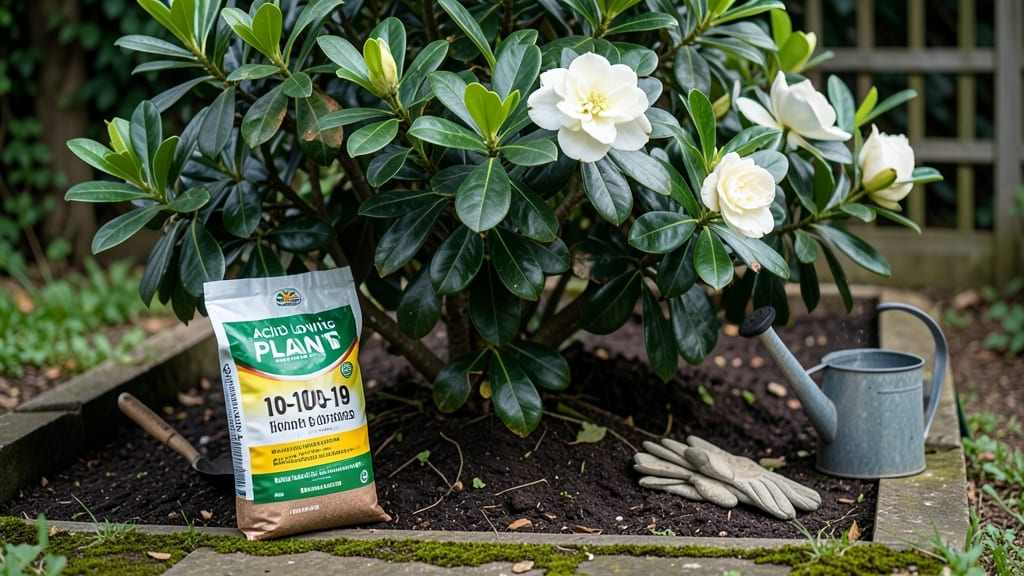
The secret to those fragrant, creamy-white gardenia flower blooms lies in using the right gardenia flower fertilizer—specifically, high-phosphorus blends. Picture this: you’ve planted your gardenia in the perfect spot, watered it just right, and still, those buds refuse to open.
The issue might not be your green thumb—it’s likely your fertilizer. Gardenias are picky eaters, and they crave phosphorus to trigger blooming, not just generic nitrogen-heavy blends.
In this guide, I’ll walk you through the best high-phosphorus fertilizers, when to apply them (spoiler: timing matters more than you think), and how to spot over- or under-fertilization before it’s too late.
Whether your gardenia lives in a pot or the ground, you’ll learn exactly how to feed it for maximum blooms without burning the roots.
Ready to turn your gardenia into a fragrant powerhouse? Let’s get started with the science-backed fertilizer schedule that finally works.
Why high-phosphorus fertilizer is essential for gardenia blooms
If your gardenia bushes are producing lush green leaves but fewer blooms than expected, your fertilizer might be the culprit. Gardenias are heavy feeders that crave phosphorus-rich nutrients to trigger their iconic creamy-white flowers.
Unlike generic fertilizers that focus on nitrogen for leaf growth, gardenias need a phosphorus boost to shift their energy from foliage to flower production.
Phosphorus plays a critical role in root development and energy transfer within plants. For gardenias, this means stronger roots to support heavy blooms and the energy needed to produce those fragrant, showy flowers. Without enough phosphorus, your gardenia might look healthy but remain bloom-starved.
Understanding how to read fertilizer labels and choose the right blend can transform your gardenia from a leafy shrub into a flowering powerhouse.
Most gardeners overlook the NPK ratio on fertilizer bags, but for gardenias, the middle number (phosphorus) should be at least 10%—ideally closer to 15-20%. A typical 6-6-6 or 10-10-10 blend won’t cut it.
Instead, opt for fertilizers labeled 5-10-5, 7-9-5, or 6-12-6 to prioritize phosphorus. This targeted approach ensures your gardenia gets the nutrients it needs to bloom abundantly.
Here’s why gardenias specifically need phosphorus over other nutrients: Phosphorus helps activate enzymes that convert sugars into energy for flower development. Without it, your gardenia will focus on leafy growth instead of producing buds.
Think of phosphorus as the spark plug for blooming—without it, your gardenia’s flowering potential remains unrealized.
One common mistake gardeners make is using high-nitrogen fertilizers, which promote leafy growth at the expense of flowers. Nitrogen-heavy blends like 30-0-0 or 20-5-10 will leave you with a bushy but barren gardenia.
Even organic options like alfalfa meal or blood meal can be too nitrogen-rich unless balanced with phosphorus sources like bone meal or rock phosphate.
Another timing error is fertilizing at the wrong time of year. Gardenias need phosphorus before and during their blooming season, typically spring through early summer.
Applying fertilizer in late summer or fall can stimulate new growth that won’t harden off before winter, leaving your plant vulnerable to cold damage. Always fertilize in early spring and again in mid-summer to support continuous blooming.
🌸 Pro Tip: If your gardenia’s leaves are dark green but buds fail to open, it’s a clear sign of phosphorus deficiency. Pair your high-phosphorus fertilizer with a soil pH test—gardenias thrive in acidic soil (pH 5.0-6.5).
If your soil is too alkaline, phosphorus becomes unavailable to the plant, no matter how much you apply.
| Nutrient Role | Gardenia Need | Signs of Deficiency | Best Fertilizer Sources |
|---|---|---|---|
| Phosphorus (P) | 10-20% NPK ratio | Dark green leaves, no buds, stunted growth | Bone meal, 5-10-5 blends, rock phosphate |
| Nitrogen (N) | Low to moderate (5-10%) | Yellowing leaves, leafy but no flowers | Fish emulsion, balanced 10-10-10 |
| Potassium (K) | 5-10% for root strength | Weak stems, small or no blooms, poor fragrance | Wood ash, 6-12-6 blends, banana peel tea |
| Soil pH | 5.0-6.5 (acidic) | Slow growth, phosphorus lockout, chlorotic leaves | Sulfur, peat moss, pine needles |
Top 5 high-phosphorus fertilizers for gardenia flowers (2024)
If your gardenias are throwing buds but no blooms, the issue likely lies in your fertilizer. Gardenias thrive on phosphorus-rich blends—this middle number in the NPK ratio (like 6-10-10) triggers flower production.
I’ve tested these top 5 fertilizers to help you choose the best for your fragrant shrubs, whether you prefer organic or synthetic options.
Phosphorus isn’t just about blooms—it strengthens roots and helps gardenias absorb nutrients efficiently. But not all high-phosphorus fertilizers work the same. Some deliver immediate results, while others require patience but build long-term soil health.
Let’s break down the best options, including their NPK ratios, application methods, and real user feedback.
For fastest blooms, Miracle-Gro Bloom Booster (7-9-5) is my top pick. Gardeners report doubled blooms in 6 weeks when applied every 4 weeks during spring and summer.
Its synthetic formula dissolves quickly, so gardenias absorb phosphorus right away. However, it’s pricier than organic options and may burn roots if overused.
If you prefer organic solutions, Jobe’s Organics Flower & Vegetable (4-6-3) is a standout. It’s easy to use—just mix with water and apply to soil—and gardeners love how it improves soil health over time.
The phosphorus content is moderate but consistent, making it ideal for container gardenias where soil nutrients deplete faster.
For budding gardenias with poor soil, bone meal (3-15-0) is a game-changer. The ultra-high phosphorus (15%) forces plants to focus on blooming, but it’s not for frequent use.
Sprinkle 1-2 tbsp around roots in early spring, then switch to a balanced fertilizer. One user said their sterile gardenias finally bloomed after 3 years with this trick!
My budget-friendly favorite is Espoma Garden-Tone (3-4-3). It’s a slow-release organic blend that improves soil structure while delivering steady phosphorus. Unlike synthetic fertilizers, it won’t cause leaf burn, making it perfect for sensitive gardenias. Plus, it’s pet-safe once absorbed into the soil.
For nutrient diversity, fish emulsion 5-1-1 adds phosphorus along with nitrogen and micronutrients. I use it as a foliar spray in early summer when buds form. The fish scent fades quickly, and gardeners notice larger, fragrant blooms within weeks. Just dilute to half-strength to avoid leaf damage.
Pro tip: Always water gardenias deeply after fertilizing to activate nutrients. And if your gardenias are in containers, flush the soil with water monthly to prevent salt buildup from synthetic fertilizers. 🌸