
Blooming
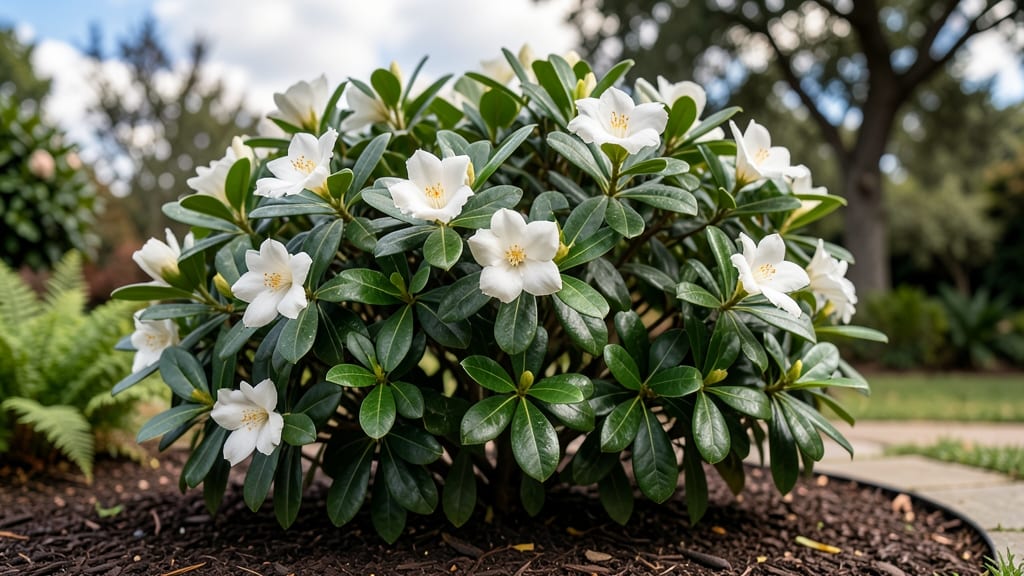
Gardenia bushes bloom when the days lengthen and warmth settles in—typically spring through summer in most climates, but year-round in frost-free zones like USDA Zone 9b.
If you love the intoxicating scent of gardenias but struggle to time their blooms, you’re not alone—these fragrant beauties follow a precise seasonal rhythm shaped by your USDA zone.
In cooler regions, buds form in late winter, bursting into creamy-white blooms by April or May. But in warmer zones like Florida or coastal California, gardenias can flower year-round with the right care—think pruning, acidic soil, and just enough shade.
Below, I’ll break down the exact bloom windows by zone, plus proven tricks to coax earlier flowers or stretch their fragrance season longer than ever.
Gardenia bloom seasons by USDA zone: a month-by-month guide
Gardenia bushes reward patient gardeners with heavy, fragrant blooms that transform any landscape into a tropical escape—but their timing depends entirely on your USDA zone. In Zones 7–11, blooms range from late winter in cooler areas to year-round in frost-free climates.
Understanding these patterns helps you plan for peak fragrance and adjust care routines accordingly.
The key factor? Temperature triggers. Gardenias need warmth to break dormancy, but too much heat can stress them. In Zones 10–11, they bloom continuously, while Zones 7–9 see spring-focused displays. Even within a zone, microclimates (like coastal vs. inland) shift bloom windows by weeks.
🌸
In Zone 7, gardenias like 'Kleim’s Hardy' bloom late April–June after surviving winter chills. These early bloomers need protected roots—mulch heavily in fall to preserve warmth. The secondary bloom (if any) appears in September only if temperatures stay mild.
Gardeners in Zone 8 enjoy a March–May show, with 'Radicans' producing climbing blooms along fences. The fall rebloom (September–October) is unpredictable—it depends on whether summer heat
How to trick gardenias into blooming earlier (or later!)
Gardenias are famous for their intoxicating fragrance, but their blooming schedule often feels like a mystery. The good news? You can adjust their natural rhythm with a few science-backed tricks.
By tweaking light exposure, temperature, and pruning timing, you can coax those creamy blooms weeks earlier—or delay them for a longer summer show. The key lies in understanding how gardenias respond to environmental cues, especially in USDA Zones 7–11.
Most gardenias bloom in late spring to early summer, but their exact timing depends on your climate. In warmer zones (9–11), they may flower year-round, while cooler zones (7–8) see blooms in May–June.
The secret to shifting this schedule? Controlled stress—like pruning at the right time or adjusting watering patterns. But beware: common mistakes like overwatering or poor drainage can stall blooms entirely. Let’s dive into the proven methods to trick your gardenias into cooperating.
- 1 Prune after blooming: Cut back 1/3 of old growth in late summer to encourage next year’s buds to form earlier.
- 2 Adjust sunlight: Move plants to morning sun only in fall/winter to delay blooming, or provide full sun in spring for earlier flowers.
- 3 Fertilize strategically: Use high-phosphorus fertilizer (e.g., 10-10-10) in early spring to trigger blooms, but avoid feeding in summer to prevent leafy growth over flowers.
- 4 Control watering: Let soil dry slightly between waterings in winter to signal dormancy, then increase moisture in spring to kickstart blooming.
- 5 Avoid these mistakes: Overwatering, alkaline soil, or pruning in fall can delay blooms by months.
One of the most effective ways to speed up blooming is to prune your gardenia at the right time. After the last flowers fade in late summer, trim back 1/3 of the oldest stems to stimulate new growth.
This new growth will produce next year’s flower buds, which form in late summer to early fall. If you prune in spring, you’ll remove potential blooms for the current season.
Light manipulation works like magic for gardenias. To delay blooming, move your plant to a shadier spot in early fall. This mimics shorter daylight hours, tricking the plant into thinking it’s winter and holding off on blooming until spring.
Conversely, for earlier blooms, place your gardenia in a sunnier location in late winter to encourage bud formation. Just remember: gardenias hate hot afternoon sun, so east-facing windows or dappled shade are ideal.
Fertilizer choice and timing can make or break your blooming goals. Gardenias thrive on acid-loving fertilizers with a higher phosphorus content (the middle number in NPK ratios). In early spring, apply a balanced fertilizer like 10-10-10 to encourage both leafy growth and flowers.
However, stop fertilizing in summer—this prevents leafy growth at the expense of blooms. A common mistake is over-fertilizing in fall or winter, which can lead to weak, sparse blooms the following year.
Watering plays a subtle but crucial role in blooming timing. Gardenias need consistently moist soil, but not soggy conditions. To delay blooming, let the top 1–2 inches of soil dry out between waterings in winter.
This mimics dormancy conditions and signals the plant to wait before flowering. In contrast, increase watering frequency in early spring to jumpstart growth and blooming. Always water in the morning to prevent fungal diseases that can stress the plant.
With these techniques, you can extend your gardenia’s fragrance season by months—or even enjoy year-round blooms in warmer climates. The key is patience and consistency: gardenias respond best to gradual changes, not sudden shifts.
Start with one method this season, like pruning after blooming or adjusting sunlight, and observe how your plant responds. Soon, you’ll have a perfume garden that blooms exactly when you want it to! 🌸