
Fertilization
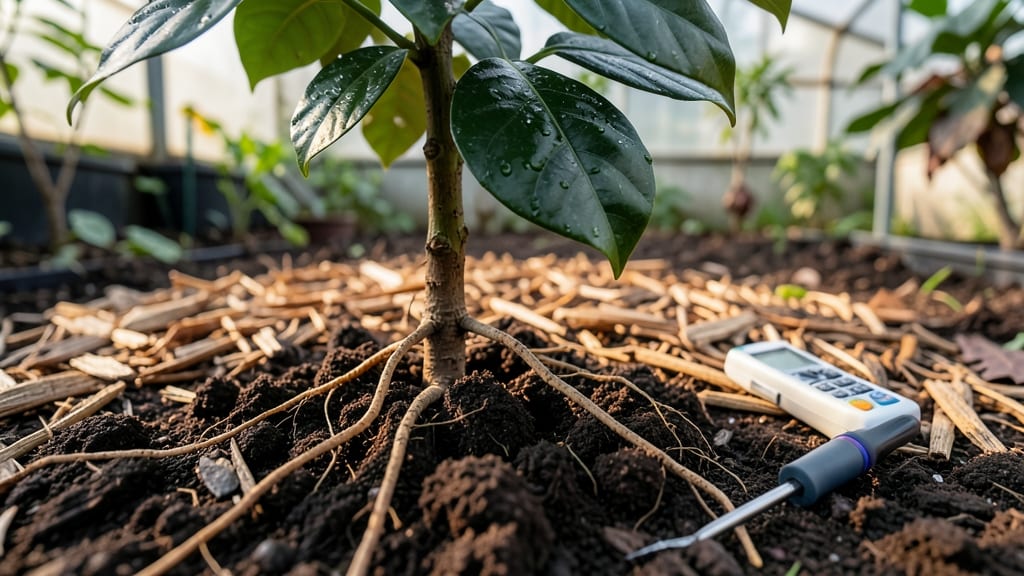
Adding coffee grounds to garden soil enhances drainage, introduces valuable nitrogen, and supports beneficial microbes, but they must be composted first to avoid excessive acidity that harms most plants.
Coffee grounds are a gardener's secret weapon because they're packed with nutrients like nitrogen, potassium, and phosphorus—key elements that support strong root development and vibrant foliage. 🌱 The best approach is to compost them first, which balances their natural acidity and prevents mold from forming in your soil.
I've seen firsthand how a handful of well-aged coffee compost mixed into garden beds can transform struggling plants into thriving ones within weeks.
For optimal results, sprinkle a thin layer of composted grounds around plants that love slightly acidic conditions like blueberries or azaleas, or mix them into compost piles to create nutrient-rich "black gold."
The microbial boost from coffee grounds also helps break down other organic matter faster, creating a more fertile growing environment. Just remember: fresh grounds can be too acidic for most vegetables and flowers, so always compost them first!
💡 In This Article
- How Coffee Grounds Improve Soil Composition and Plant Nutrition
- Best Practices for Adding Coffee Grounds to Garden Beds
How coffee grounds improve soil composition and plant nutrition
Coffee grounds are a nutrient powerhouse, containing about 2% nitrogen by weight—more than most organic fertilizers. When composted, they break down into humus, a dark, spongy material that improves soil structure by increasing aeration and water retention.
The potassium and phosphorus in grounds also support root development and flowering, with a typical analysis showing roughly 0.5% potassium and 0.1% phosphorus, though these vary by bean type and roast level.
The real magic happens underground, where coffee grounds stimulate microbial activity. Studies show they can increase beneficial bacteria and fungi by up to 30% in compost piles, accelerating decomposition and nutrient cycling. This microbial boost creates a thriving ecosystem that helps plants absorb nutrients more efficiently.
The texture of coffee grounds—fine but slightly gritty—also improves drainage while retaining moisture, creating an ideal balance for root health.
However, fresh coffee grounds are highly acidic with a pH of around 6.2-6.8, which can harm most garden plants that prefer neutral to slightly alkaline soil (pH 6.0-7.5).
Composting them for 2-3 months reduces acidity to a safer range of 5.5-6.5, making them suitable for acid-loving plants like blueberries, hydrangeas, and rhododendrons. The composting process also neutralizes harmful compounds like caffeine and tannins, which can inhibit seed germination at high concentrations.
For plants that thrive with coffee amendments, the benefits are dramatic. Blueberry bushes, for example, can produce 20-30% more fruit when grown in coffee-amended soil, thanks to the nitrogen and slightly acidic environment they crave.
Even vegetables like tomatoes and peppers benefit from the microbial activity, though they prefer the grounds to be fully composted first. The key is moderation—too much can create an imbalanced nitrogen-heavy soil that leads to lush foliage but fewer flowers or fruits.
What most gardeners overlook is how coffee grounds interact with other soil amendments. Mixing them with 1 part coffee compost to 4 parts garden soil creates an ideal ratio for most plants. For acid-loving species, you can increase the coffee proportion to 1:2, but always test soil pH first.
The microbial diversity they introduce also helps suppress harmful pathogens, creating a more resilient growing environment that requires fewer synthetic fertilizers over time.
Think of coffee grounds as a multi-purpose soil enhancer: they feed plants, improve structure, and foster beneficial microbes—all while diverting waste from landfills.
The sensory experience of working with them is also rewarding; the rich, earthy aroma of composting grounds signals active decomposition, and the dark, crumbly texture transforms barren soil into a fertile growing medium.
For gardeners who want to maximize their coffee's benefits without the risks, proper composting is the golden rule.