
Fertilization
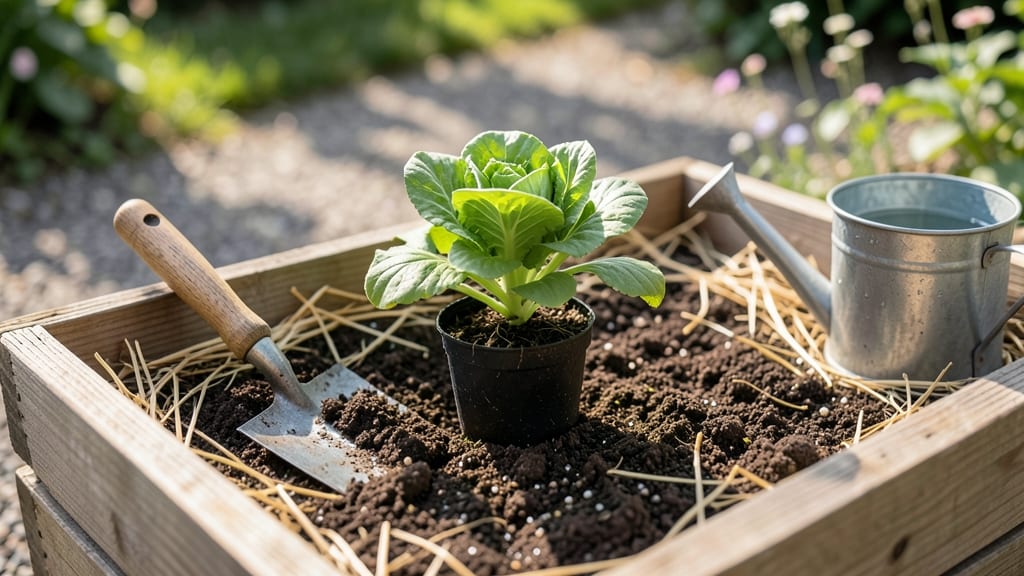
You can use garden soil in raised beds, but it requires careful mixing with amendments to avoid weed seeds, pests, and drainage issues. Combine it with compost and coarse materials like perlite or sand for better aeration and fertility.
Garden soil often contains hidden problems like compacted layers, weed seeds, and disease pathogens that thrive in raised beds' warmer, drier conditions. 🌱 The lack of organic matter also leads to poor water retention and nutrient deficiencies.
Instead, I recommend blending garden soil with 60% high-quality topsoil, 30% compost, and 10% perlite or vermiculite to create an ideal growing medium. This mix improves drainage while providing essential nutrients for root development.
For organic gardeners, alternatives like coconut coir or leaf mold work well as bulking agents. The key is achieving a loose, crumbly texture that mimics natural forest soil. Test your soil first—a simple pH test can reveal whether you need lime or sulfur adjustments before planting.
This approach saves money while preventing common raised bed failures.
💡 In This Article
- Why Garden Soil Fails in Raised Bed Planting
- Best Soil Mixes for Raised Bed Gardens
Why garden soil fails in raised bed planting
Garden soil often contains compacted layers from foot traffic and machinery, which creates dense pockets that restrict root growth. In raised beds, this compaction worsens because the soil heats up faster and dries out quicker than in-ground soil.
Roots struggle to penetrate these tight layers, leading to stunted plants and poor nutrient uptake. 🌱 The texture of garden soil is typically heavy clay or silt, which holds moisture but suffocates roots by limiting oxygen flow—a critical issue in raised beds where drainage is already a concern.
Weed seeds and disease pathogens are another major problem. Garden soil often harbors dormant weed seeds that germinate aggressively in raised beds' warm, sunny conditions. For example, a single handful of garden soil can contain thousands of weed seeds, creating a never-ending cycle of pulling weeds.
Pathogens like fungal spores also thrive in garden soil, especially when combined with poor drainage. Raised beds' elevated position accelerates moisture evaporation, creating a perfect storm for fungal growth on plant roots.
Nutrient imbalances are the third key issue. Garden soil often lacks consistent organic matter, leading to erratic nutrient availability. While it might test as "fertile" in a lab, the nutrients are often tied up in forms plants can't access immediately.
Raised beds require continuous feeding because nutrients leach out faster due to better drainage. Without amendments, plants show signs of deficiency—yellowing leaves, stunted growth—even when the soil appears rich. 🌿
Temperature fluctuations also play a role. Raised beds warm up 10-15°F faster than ground soil, which can accelerate the breakdown of organic matter in garden soil. This rapid decomposition releases nutrients too quickly, causing "burn" in sensitive plants like tomatoes or peppers.
The microbial life in garden soil isn't adapted to these extreme conditions, leading to imbalanced soil food webs that don't support optimal plant health.
Consider this real-world example: I once planted a raised bed using pure garden soil for my tomato crop. Within weeks, the plants showed signs of blight—a fungal disease—because the soil's pathogen load combined with the bed's poor drainage. The solution?
I had to completely replace the soil with a custom blend of 60% topsoil, 30% compost, and 10% perlite, which transformed the growing conditions overnight. The difference was immediate: deeper root penetration, fewer weeds, and healthier plants.