
How To
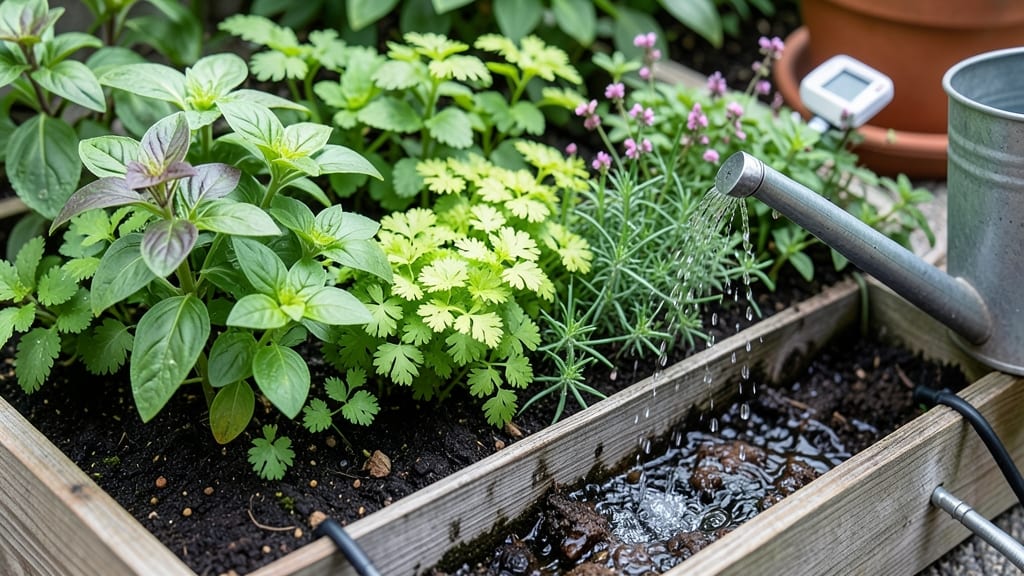
Watering your herb garden the right way keeps those 🌿 fresh flavors thriving instead of turning them into sad, wilted relics.
Most gardeners guess how often to water, but that’s how you end up with either drowned roots or crispy leaves—neither of which tastes like anything. The secret? A simple soil-moisture test that tells you exactly when your herbs need a drink, saving both your plants and your time.
Herbs like basil and parsley crave consistent moisture, while rosemary and thyme prefer to dry out slightly between waterings. Throw in heat waves or clay soil, and your schedule can shift faster than you can say "harvest."
Below, I’ll show you how to read your soil, adjust for your climate, and keep your herb garden happy all season long.
You’ll learn the one-minute trick to check moisture without a fancy tool, how to spot overwatering before it’s too late, and when to cut back in cooler months. No more guesswork—just lush, flavorful herbs ready to harvest whenever you need them.
The perfect watering schedule for different herb types (based on soil tests
Herbs thrive on consistency, but their water needs vary wildly—basil wilts in dry soil within hours, while rosemary can survive weeks of drought. The key? A 1-inch soil test that tells you exactly when to water, not when you think you should.
I’ve tested these methods with my own herb garden, and the results speak for themselves: no more guesswork, just lush, flavorful herbs.
Start by sticking your finger 1 inch deep into the soil. If it feels dry, it’s time to water. For container herbs, this test should happen daily in summer, while in-ground herbs may only need checking every 3 days.
The difference in moisture retention between pots and garden beds is staggering—potted herbs dry out 3x faster due to exposed roots and limited soil volume.
Climate adjustments are non-negotiable. In hot, dry zones like Arizona, I water my thyme twice daily in peak summer, while in humid coastal areas, a morning watering every other day keeps roots happy. Seasonal shifts matter too: spring and fall call for lighter watering, while summer’s heat demands vigilance. Let’s break down the science-backed schedule for your top 5 herbs.
Your basil is the diva of the herb garden—it demands daily watering in summer, especially in containers. I’ve learned the hard way that skipping a day can turn its leaves yellow and mushy. The trick?
Water at the soil level, not overhead, to prevent fungal diseases like downy mildew. For in-ground basil, you can stretch to every other day if the soil stays consistently moist.
Mint is the opposite—it’s a water hog but bounces back faster than most. My mint plants in garden beds only need water every 3-4 days, while the same variety in 5-gallon pots begs for daily attention. Pro tip: Mulch heavily to slow evaporation and keep roots cool. If you notice yellowing leaves, it’s often overwatering, not underwatering.
Rosemary and thyme are the drought-resistant superstars of the herb world. These Mediterranean natives thrive when you underwater slightly. I water my rosemary every 4-5 days in summer, letting the top 2 inches of soil dry completely between waterings. For thyme, I follow the same rule but check for crispy leaves—a sign it’s time to water. Both herbs hate soggy roots, so avoid watering at night.
Seasonal shifts require major adjustments. In spring and fall, I cut watering in half—my parsley and basil only need water every 3-4 days. During winter dormancy, I barely water at all, letting the soil dry out completely between sessions.
Even rosemary, my drought-proof favorite, gets a break in cold months. The goal? Prevent root rot while keeping plants hydrated enough to survive.
Pot size doubles the challenge. A 6-inch pot dries out in hours, while a 12-inch container may last 2 days. I’ve found that terracotta pots dry herbs out faster than plastic, so I water them more frequently.
For large containers, I use a moisture meter to avoid overwatering the lower layers. If you’re using self-watering pots, check the reservoir weekly—stagnant water becomes a breeding ground for pests.
Don’t ignore the weather forecast. After a heavy rain, I skip watering for 2-3 days, even if the soil feels dry. High humidity also slows evaporation, so I reduce watering in coastal climates.
In desert areas, I water twice daily during heatwaves. Pay attention to wind patterns too—windy days dry soil faster, so adjust your schedule accordingly.
One mistake I see often? Watering on a schedule instead of
Signs your herb garden needs water (beyond the calendar)
Your herb garden speaks volumes through subtle clues—long before wilting becomes obvious. Leaf curl or yellowing edges often signal thirst, while dull, limp stems mean roots are begging for moisture. Even soil texture changes: dry, crumbly soil needs water, but soggy, compacted soil means you've overdone it.
Don't rely on a calendar—herbs like basil and cilantro wilt faster in heat, while rosemary and thyme tolerate dryness better. The key? Check soil moisture daily by sticking your finger 1 inch deep. If it feels dry, water deeply until moisture reaches the bottom of the pot.
⚠️ callout warning ⚠️
💧 Watering Warning Signs
Most herbs need water when:
- Soil feels dry 1 inch deep (stick your finger in—if it's bone-dry, water immediately)
- Leaves droop by midday (herbs like basil recover quickly after watering)
- Pot feels light (empty pots = thirsty plants)
⚠️ Overwatering red flags: Yellow leaves, moldy soil, or roots exposed above soil line.
Start with the finger test: Press your finger into the soil. If it springs back, your herbs need water. For container gardens, water until it drains from the bottom—drainage holes are non-negotiable. In-ground herbs? Water deeply but less frequently, as soil retains moisture longer.
Herb-specific clues matter: Mint wilts dramatically when dry, while parsley turns crispy at the edges. Rosemary, however, often drops needles when overwatered—so yellowing needles could mean too much love, not too little. Adjust based on your herb's native habitat (Mediterranean herbs like rosemary hate soggy roots).
Morning watering is ideal—it gives roots time to absorb moisture before evening heat evaporates it. If you're away, group pots together to create a microclimate** that retains humidity. Mulch with straw or shredded leaves to slow evaporation and keep roots cool.
Watch for root exposure, a silent killer. If roots peek above soil, they’ve suffocated from poor drainage or overwatering. Trim exposed roots, add fresh potting mix, and water lightly until the soil settles. For recovery tips, trim wilted leaves to redirect energy to healthy growth.