
Container Gardens
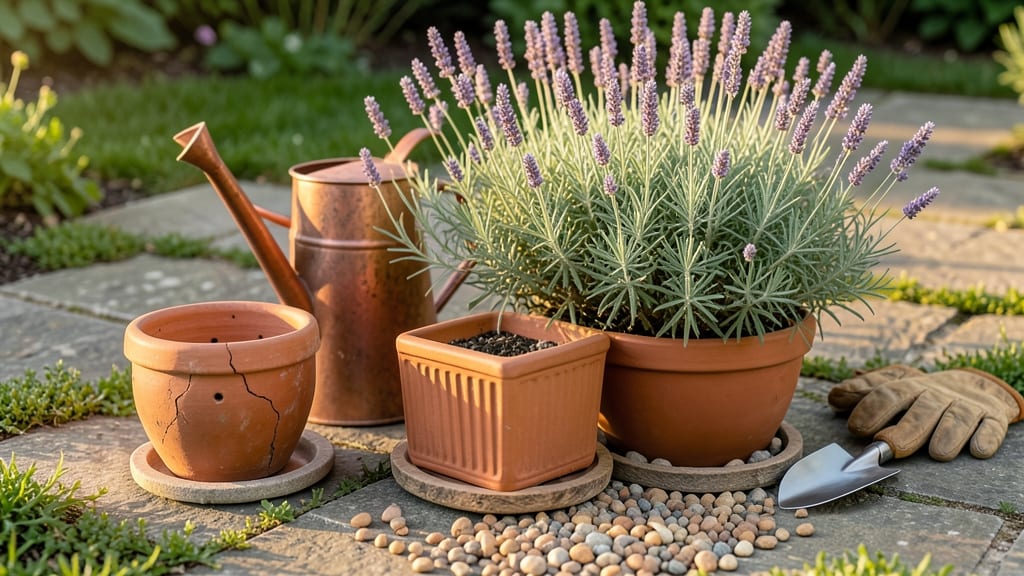
Clay garden pots 🏺 are the unsung heroes of container gardening, blending rustic charm with the ability to handle scorching summers and crisp winters—if you pick the right style.
If you're tired of plastic pots cracking under summer sun or breaking in freezing temperatures, these timeless containers offer unmatched durability when chosen wisely. They don’t just survive extreme heat; they age beautifully, becoming part of your garden’s character for decades.
But not all clay pots are created equal. Glazed varieties resist cracking better in dry climates, while unglazed ones breathe better for moisture-loving plants. Ribbed designs add grip and style, and self-watering models simplify care—especially in Zone 6 where watering needs shift with the seasons.
In this guide, I’ll break down five heat-resistant styles, how to prevent cracking, and the best plants to pair with each pot type. Ready to upgrade your garden’s look and function?
5 Heat-resistant clay pot styles for extreme climates
When summer temperatures soar, most plastic pots become brittle and crack under the stress. But clay garden pots thrive in extreme heat—thanks to their natural heat retention and durability. The key lies in selecting the right style for your climate, whether you're battling desert sun or tropical humidity.
Each clay pot design offers unique benefits, from heat resistance to water regulation, making them perfect for container gardening in harsh conditions.
For desert climates, unglazed clay pots excel by wicking moisture away from roots, preventing root rot in scorching 100°F+ temperatures. In tropical regions, glazed pots with moisture-retaining glazes help plants survive heavy rains and high humidity.
Meanwhile, temperate zones benefit from ribbed or self-watering designs that balance heat absorption with consistent watering. Let’s explore the top 5 styles that keep your plants—and pots—happy year-round.
Let’s start with unglazed clay pots, the gold standard for desert gardening. These pots absorb heat during the day and release it slowly at night, creating a stable microclimate for drought-tolerant plants like succulents and cacti.
Their porous surface also allows excess moisture to evaporate, preventing root rot in 110°F+ temperatures. For example, a 5-gallon unglazed pot can keep lavender thriving when plastic alternatives would melt.
Glazed clay pots are the opposite—ideal for tropical climates where humidity and frequent rains are the norm. The glaze acts as a barrier, slowing moisture loss and protecting plants from fungal diseases like powdery mildew. Choose matte glazes for better heat reflection or glossy finishes for a sleek look. These pots work beautifully with ferns and calatheas, which love consistent moisture but hate soggy roots.
If you live in a temperate zone with hot summers and cool winters, ribbed clay pots are a game-changer. The ridges increase the pot’s surface area, helping it dissipate heat more efficiently.
This design is perfect for vegetables like tomatoes and peppers, which need steady warmth but can’t handle extreme heat stress. The ribs also add a rustic charm to your patio or garden bed.
For urban gardeners or those with busy schedules, self-watering clay pots combine the best of both worlds. These pots feature a built-in reservoir that slowly releases water to the roots, reducing the risk
How to prevent cracking and prolong clay pot lifespan
Clay garden pots are my favorite for their natural beauty and durability, but they demand proper care to avoid cracking or fading. The porous nature of clay makes them prone to dry-out stress and temperature fluctuations, which can lead to unsightly cracks or even breakage.
With the right techniques, you can extend their lifespan for years or even decades, keeping them looking as good as new.
One of the biggest mistakes I see is ignoring seasonal changes. Clay pots absorb moisture and release it quickly, which can cause thermal shock when exposed to sudden temperature swings. For example, leaving a pot outside in freezing temperatures without protection can cause it to crack overnight.
Similarly, overwatering in summer can lead to root rot and weaken the pot's structure over time.
⚠️ callout-warning ⚠️
- ❄️ Freezing without protection: Never leave clay pots outside in temperatures below 32°F—they’ll crack from ice expansion.
- ⚡️ Sudden heat exposure: Moving pots from cool garages to scorching sun can cause thermal shock and splitting.
- 💧 Improper watering: Clay pots dry out 3x faster than plastic—overwatering or underwatering both stress the pot.
- 🪴 No winterizing: Unprotected clay pots in winter frost can shatter—always store or insulate them.
To prevent cracking, start with proper winterizing. Before the first frost, move your pots to a protected location, like a garage or shed, where temperatures stay above 40°F.
If you can’t move them, wrap the pots in bubble wrap or thick towels and cover them with a plastic sheet to trap heat. This simple step can save your pots from freeze-thaw cycles, which are the #1 cause of cracks.
Watering is another critical factor. Clay pots wick moisture away quickly, so I recommend watering in the morning only to allow excess water to evaporate during the day. Use the "finger test": stick your finger 1 inch into the soil.
If it’s dry, water deeply until it drains from the bottom. Avoid leaving water in saucers—this can lead to root rot and weaken the pot over time.
For long-term maintenance, clean your pots seasonally with a mix of vinegar and water (1:3 ratio) to remove mineral deposits and algae. Scrub gently with a soft brush and rinse thoroughly. This prevents staining and fading, keeping your pots looking vibrant.
Also, avoid using chemical fertilizers directly on the pot, as they can corrode the clay over time—always apply fertilizer to the soil, not the pot itself.
Finally, rotate your pots every few weeks to ensure even sun exposure. This prevents uneven drying and fading on one side. If you notice hairline cracks, seal them with unsanded grout or a clay-based repair kit to prevent further damage.
With these simple steps, your clay pots will stay beautiful and functional for years, becoming cherished pieces of your garden decor.