
Light Requirements
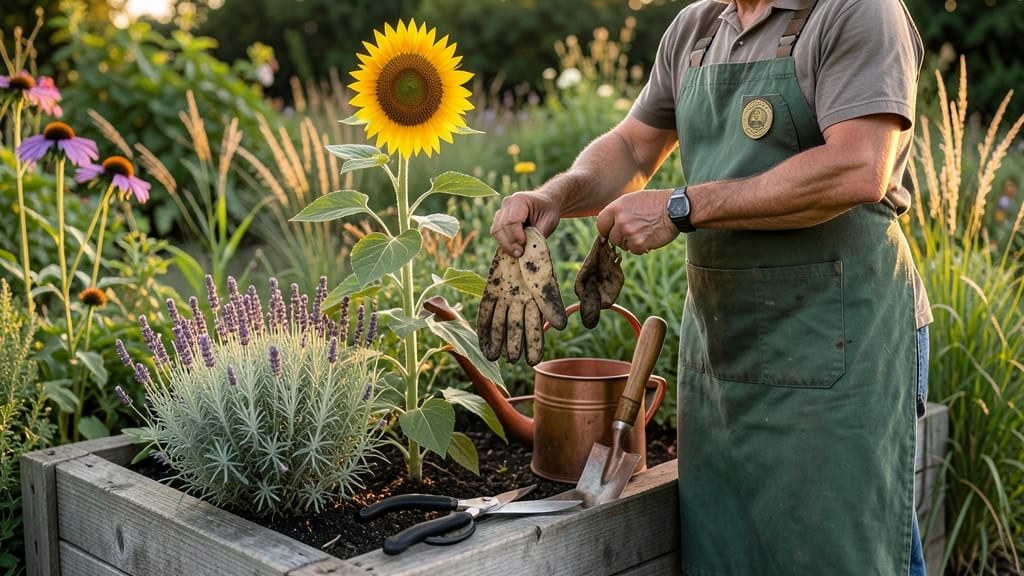
Finding master gardeners near you connects you to trained volunteers who offer free gardening expertise through university extension programs, including plant diagnostics, soil analysis, and seasonal care advice. Your county extension office is the best resource for locating these local experts.
These volunteer programs are affiliated with land-grant universities and provide science-backed gardening solutions tailored to your region's climate and soil conditions. 🌱 From identifying mysterious plant diseases to recommending drought-resistant varieties, master gardeners save you time and money by preventing costly mistakes.
Many also host free workshops on topics like composting or pest control—perfect for both beginners and seasoned gardeners looking to refine their skills.
What sets them apart is their hands-on approach: they often work at farmers markets, plant clinics, or community gardens where you can bring samples for immediate feedback. Unlike professional landscapers, their advice focuses on sustainable practices that work with your specific garden challenges rather than selling products.
The best part? Their services are completely free, funded through public-private partnerships that keep gardening accessible to everyone.
💡 In This Article
- What Master Gardener Programs Offer Locally
- How to Find and Connect With Local Master Gardeners
What master gardener programs offer locally
Master gardener programs provide hands-on expertise through university-backed extension services, offering diagnostics that go far beyond basic gardening advice. Their plant clinics analyze leaf samples under microscopes to identify fungal diseases like powdery mildew or bacterial spots, often catching issues before they spread.
Soil testing services reveal pH levels and nutrient deficiencies—something most home test kits miss—with recommendations tailored to your specific region's growing conditions. For example, they might prescribe 2-3 pounds of lime per 100 square feet for acidic soil or suggest organic amendments like composted manure for nitrogen-deficient plots.
Their workshops cover practical skills like pruning techniques (they'll show you exactly where to cut on fruit trees to encourage growth) or how to create pollinator-friendly gardens using native plants that attract bees and butterflies.
What makes their advice unique is the blend of science and real-world experience—most volunteers complete 50-100 hours of training in horticulture, entomology, and sustainable practices before helping others. Unlike nurseries that sell products or landscapers focused on aesthetics, master gardeners prioritize long-term plant health and ecological balance. 🌿
Seasonal services expand their reach—spring brings workshops on seed starting, summer focuses on pest management (like organic solutions for Japanese beetles), and fall covers winterizing perennials.
Their pest control advice often includes introducing beneficial insects (such as ladybugs for aphids) or using homemade sprays with ingredients like neem oil and soap.
This holistic approach saves gardeners money by preventing problems rather than treating symptoms, and it's all backed by research from land-grant universities like Cornell or UC Davis.
One standout service is their ability to diagnose mysterious garden issues. I once brought them a wilting tomato plant with brown stems, and within minutes they identified fusarium wilt—a fungal disease that requires removing infected plants and rotating crops.
Their diagnostic kits include magnifying glasses, moisture meters, and even pH test strips to provide immediate, actionable feedback. This level of detail is rare in commercial gardening resources, where solutions are often one-size-fits-all.
For vegetable gardeners, they offer specialized advice on crop rotation schedules that prevent soil-borne diseases, or how to build raised beds with proper drainage. Their recommendations often include specific varieties that thrive in your climate zone, like heat-tolerant okra for southern regions or cold-hardy kale for northern gardens.
This localized expertise is what makes their advice so valuable—it's not just theory, but practical solutions tested in real gardens across your community.
What truly sets them apart is their commitment to sustainable practices. They'll teach you how to compost effectively (including the ideal carbon-to-nitrogen ratio of 30:1) or create rain gardens to manage stormwater. Many programs also run school gardens or community plots, demonstrating how to grow food without synthetic chemicals.
Their workshops often include hands-on activities, like building simple trellises or constructing cold frames for extending growing seasons.
If you're struggling with a garden mystery or want to improve your gardening skills, master gardeners provide the perfect blend of expertise and accessibility. Their free services—ranging from one-on-one consultations to large-scale community projects—make professional-level horticulture knowledge available to everyone, regardless of experience level. 💫