
Companion Plants
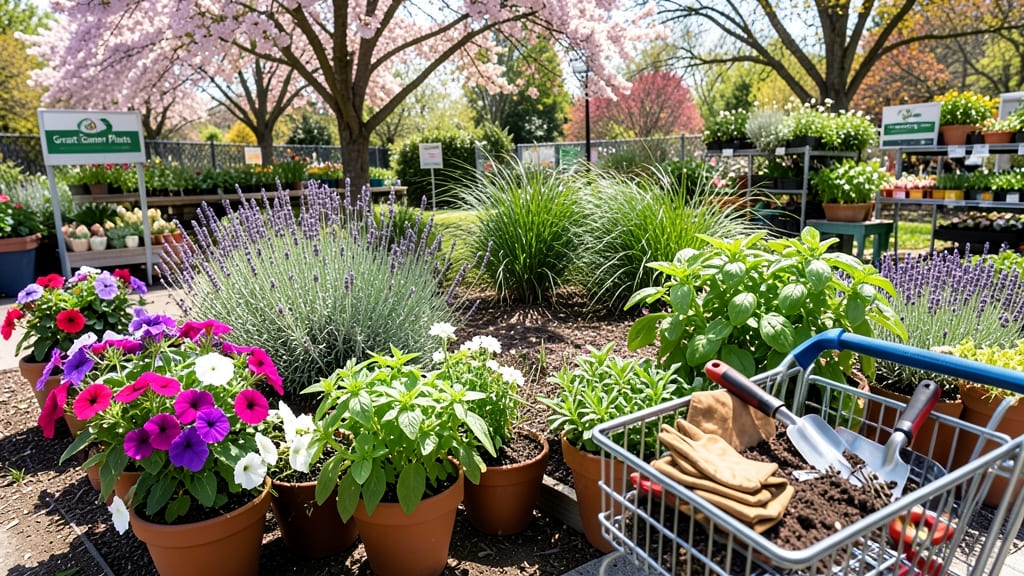
Great Garden Plants is located in multiple U.S. states, with physical stores in Ohio, California, and Texas while offering nationwide online ordering. Their catalog features climate-specific varieties tailored to USDA Zones 5-9, though they provide options for all hardiness zones.
You can find Great Garden Plants' physical locations in three key states—Ohio, California, and Texas—where their stores specialize in regionally adapted plants. 🌱 Their online catalog, however, goes beyond these locations by offering seeds and seedlings matched to your specific USDA zone, ensuring you get the best-performing varieties for your climate.
This approach makes it easier to garden successfully whether you're in a cold Zone 5 or a warm Zone 9.
What sets them apart is their focus on climate compatibility. Their catalog includes detailed zone recommendations, so you can filter plants based on your local growing conditions. This means whether you're ordering online or visiting a store, you're getting plants that thrive in your area—no guesswork required.
💡 In This Article
- Understanding USDA Plant Hardiness Zones for Great Garden Plants
- How to Find and Order Great Garden Plants by Location
Understanding USDA plant hardiness zones for great garden plants
The USDA Plant Hardiness Zone Map divides North America into 13 zones based on average annual minimum temperatures. Each zone represents a 10°F range—Zone 5 spans -20°F to -10°F, while Zone 9 covers 20°F to 30°F.
Great Garden Plants uses these zones to categorize their plants, ensuring you select varieties that survive winter lows in your area.
For example, a Zone 7 tomato like 'Celebrity' thrives where temps drop to 0°F to 10°F, while a Zone 9 option like 'Solar Fire' withstands 20°F to 30°F winters. 🌡️
Great Garden Plants' catalog includes a zone-finder tool that cross-references your ZIP code with the USDA map. This eliminates guesswork—you'll see exactly which plants are labeled for your specific zone. Their Ohio stores, for instance, stock more cold-hardy varieties (Zones 5-6), while California locations prioritize drought-resistant plants for Zones 8-9.
The science behind this? Plants evolved to handle their native climate's extremes, so a Zone 5 rose might struggle in Zone 9 heat without proper care.
Why does this matter for your garden? Poor zone matching leads to wasted money and effort—plants may bolt in heat or freeze in winter. Great Garden Plants' zone-specific recommendations account for microclimates too. A backyard in Zone 6 might have a sheltered spot warm enough for Zone 7 plants.
Their catalog notes these nuances, helping you push boundaries safely. For example, their 'Heatmaster' vegetable seeds are labeled for Zones 7-10 but can work in Zone 6 with row covers.
Climate change adds another layer. Great Garden Plants adjusts their zone recommendations annually to reflect shifting temperature norms. A plant once labeled for Zone 6 might now be suitable for Zone 5 in some regions due to warmer winters.
Their catalog includes a "Climate Adapted" filter to highlight these updates. This dynamic approach ensures your garden stays productive even as growing conditions evolve. 🌍
Consider their heirloom tomato varieties as a case study. A Zone 5 variety like 'Cherokee Purple' needs 85-90 days to mature, while a Zone 9 option like 'Sun Gold' ripens in just 60 days.
The difference? Shorter growing seasons in colder zones demand faster-maturing plants. Great Garden Plants' zone-specific plant cards include days-to-harvest estimates tailored to your climate, so you can plan your planting calendar with precision.
For advanced gardeners, their catalog offers "Zone Overlap" suggestions—plants that work in two adjacent zones with minimal adjustments. For example, a Zone 6-7 basil variety might thrive in both zones if you provide afternoon shade in Zone 7.
These hybrid recommendations help expand your gardening possibilities without risking plant failure. The key is understanding your zone's last frost date, which Great Garden Plants provides for each location in their planting guides.