
Planting
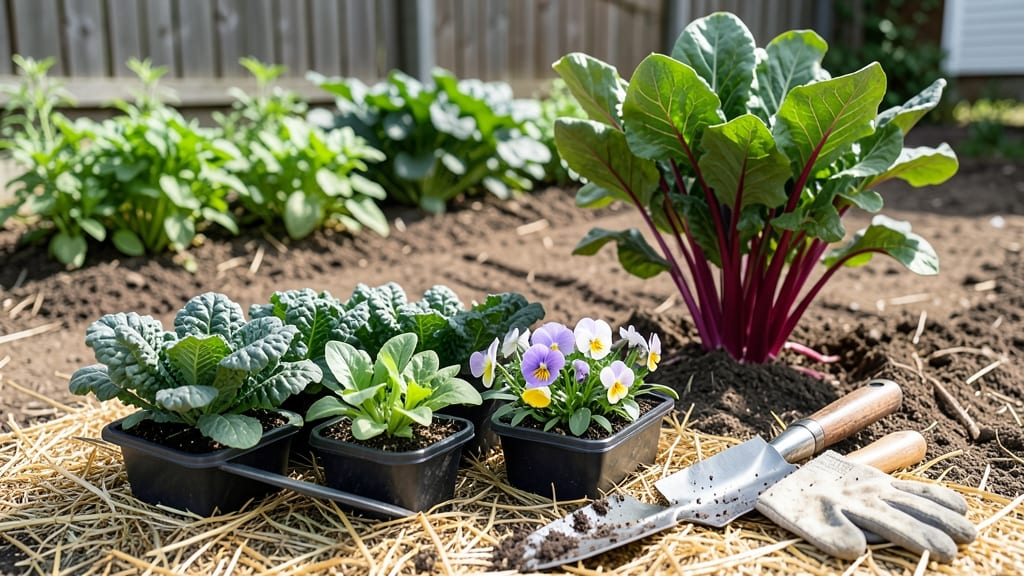
The best time to plant a garden in Michigan depends on your crops and USDA Zones 5-6, where late frosts can turn a great start into a lost season.
Michigan gardeners know timing is everything—plant too early and risk frost, too late and miss peak harvests. But with unpredictable springs, when exactly should you start your 🌱 for maximum success?
Cool-season crops like peas and lettuce can go in as soon as the soil is workable, often by early April in southern Michigan or late April in the north.
Warm-season favorites like tomatoes and peppers, though, need to wait until after May 15, when the threat of frost has passed.
Below, I break down the ideal planting windows by crop, frost-date adjustments for your region, and how to extend your season with row covers—so you can avoid the common mistakes that waste time and yields.
Michigan planting timeline by USDA Zone 5-6: exact weeks for cool vs warm season crops
Michigan's USDA Zones 5-6 offer a 120-150 day growing season, but exact planting times vary by crop type and location. Northern Michigan (Zone 5) typically has 2-3 weeks later last frost dates than southern Michigan (Zone 6).
For example, Detroit's last frost averages April 15, while Traverse City's is May 1.
Cool-season crops like lettuce and peas thrive when soil temps hit 40°F, while warm-season favorites such as tomatoes and peppers need 60°F+ soil. My rule of thumb? Start cool crops 4-6 weeks before last frost and warm crops 2 weeks after.
| Crop Type | Zone 5 Planting Window | Zone 6 Planting Window | Key Notes |
|---|---|---|---|
| Cool Season Crops | March 15 - April 30 | March 1 - May 1 | Plant spinach, kale early; broccoli 4-6 weeks before last frost |
| Warm Season Crops | May 15 - June 15 | May 1 - June 1 | Wait until soil is 60°F+; start tomatoes indoors March 1 |
| Herbs (Basil, Cilantro) | April 15 - May 10 | April 1 - April 30 | Basil needs warm soil; cilantro bolts in heat |
| Flowers (Marigolds, Zinnias) | May 1 - June 1 | April 15 - May 15 | Direct sow after last frost; marigolds deter pests |
| Fall Planting (Kale, Radishes) | August 1 - September 15 | July 15 - August 30 | Plant 6-8 weeks before first frost for harvest |
For northern Michigan (Zone 5), I recommend using row covers to extend cool-season planting by 2-3 weeks. In my own garden, this lets me plant spinach in late February under protection. Just remove covers when plants flower to prevent heat stress.
Warm-season crops like peppers and eggplants need 80°F+ soil, which typically happens late May to early June in Zone 5. I always start these indoors in March using grow lights to give them a head start.
Herbs like basil and dill are finicky about timing—plant basil too early and it bolts; plant dill too late and it won't mature. My solution? Sow basil after last frost and dill in early May for a reliable harvest.
Don't forget fall planting! Crops like kale and radishes actually sweeten in frost. In Zone 6, I plant radishes in late August for a crisp harvest before winter sets in.
Just mark your calendar for first frost dates—typically October 15 in Zone 5 and November 1 in Zone 6.
Pro tip: Use a soil thermometer to confirm planting times. I've seen 30°F temperature swings in Michigan springs—waiting for consistent 60°F soil for tomatoes saves me from failed transplants every year.
For container gardening, adjust timing by 1-2 weeks earlier since pots warm up faster. My balcony tomatoes in Zone 6 get planted May 1 instead of June 1, thanks to the heat-retaining containers.
Remember: Michigan's microclimates matter. A south-facing slope warms up faster than a low-lying area. I plant warm crops 10 days earlier on my sunny hillside compared to my shaded backyard.
🌱
How to adjust your planting schedule for Michigan’s unpredictable weather patterns
Michigan’s unpredictable frost dates and sudden temperature swings can turn a perfect planting plan into a disaster. The key to success? Flexibility. I’ve learned to adjust my schedule using row covers, cold-hardy varieties, and soil preparation tricks that give plants a fighting chance against Mother Nature’s curveballs.
Start by checking your last frost date—typically May 10-20 in southern Michigan and May 25-June 5 in the north. But don’t rely on averages! I always add a 2-week buffer to my planting window.
For example, if your last frost is May 15, wait until May 29 to plant warm-season crops like tomatoes or peppers.
🌱 5 Pro Tips to Adjust Your Planting Schedule
- 1. Use row covers to extend spring planting by 3-4 weeks. Lightweight fabric traps heat and protects seedlings from 28°F frosts—perfect for spinach, lettuce, and kale.
- 2. Plant cold-tolerant varieties like ‘Early Girl’ tomatoes or ‘Sugar Sprint’ peas, which survive 32°F temperatures better than standard types.
- 3. Warm soil first—use black plastic mulch 2 weeks before planting to raise soil temps by 10-15°F, speeding up germination for cucumbers and squash.
- 4. Start seeds indoors 6-8 weeks before your last frost. My basil and peppers get a head start under grow lights, ready for transplanting when soil warms.
- 5. Succession plant every 2 weeks for continuous harvests. If early broccoli bolts in heat, sow new seeds to replace it.
Don’t overlook soil temperature—it’s just as critical as air temperature. Use a soil thermometer to confirm 50°F+ for cool-season crops and 60°F+ for warm-season plants. I’ve had tomato seeds rot because the soil was too cold, even though air temps looked perfect.
For fall planting, aim for 6-8 weeks before first frost (typically September 20-October 10). Try ‘Winter Density’ kale or ‘Ruby Queen’ turnips, which thrive in cool weather.
I always test soil pH in early spring and add compost to boost fertility—this gives plants the nutrients they need to bounce back from weather delays.
Pro tip: Keep a gardening journal to track your local frost dates and planting success. After 3 years, you’ll spot patterns—like when your last frost actually hits or how fast your soil warms. Adjust your schedule yearly based on your notes!