
Vegetables
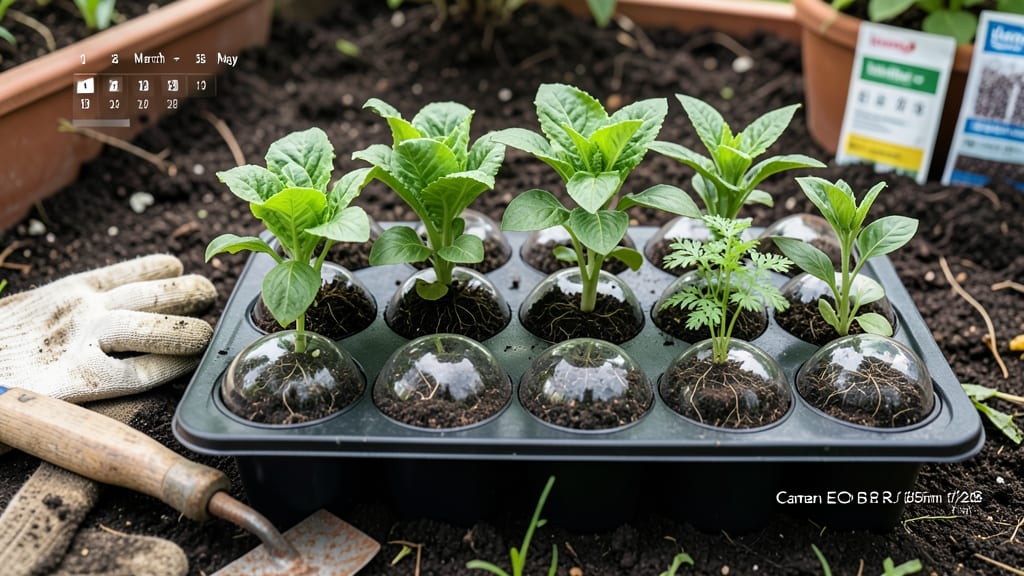
To start gardening vegetables at the right time means catching that sweet spot between frost and heat—miss it, and you’re left with stunted plants or bolting greens.
Timing your vegetable garden planting can mean the difference between a bountiful harvest and wasted effort—yet most gardeners miss the optimal windows for their climate zone. Whether you’re in chilly Zone 6a or a balmy coastal region, the wrong start date turns seeds into frustration.
This guide reveals the science-backed planting schedules tailored to USDA hardiness zones, ensuring you start vegetables at the perfect moment for maximum growth and yield. From cool-season 🥕 greens to heat-loving tomatoes, we’ll break down when to plant indoors, when to sow outdoors, and how to adjust for unpredictable weather.
You’ll learn the exact months to begin, how to read your soil’s temperature cues, and which vegetables thrive in your zone—so you can finally stop guessing and start growing.
Climate-Zone planting windows: exact months to start vegetables
Timing your vegetable garden is like catching a wave—miss the window, and you risk stunted growth or wasted seeds. Your USDA hardiness zone dictates when to plant, but even within zones, microclimates and crop types create nuanced schedules.
For example, cold-hardy greens like spinach thrive in Zone 3’s early March starts, while warm-season tomatoes in Zone 10 need February planting. Let’s break down the exact months for your zone to maximize yields.
First, identify your last frost date—the average date when temperatures stay above 32°F for 24 hours. This is your anchor for planting cold crops 4-6 weeks before and warm crops 2-4 weeks after.
For instance, in Zone 5, where last frost typically falls on May 10, plant cold crops like kale or peas in late March, and warm crops like peppers or eggplants in early June. Tropical crops like sweet potatoes?
They’re a no-go in colder zones but thrive in Zones 9-11 with March starts.
Here’s your zone-by-zone planting calendar for cold-hardy, warm-season, and tropical vegetables, complete with key considerations to avoid common pitfalls.
Notice how Zone 11 allows year-round planting? That’s because tropical crops like okra or sweet potatoes thrive in its warm climates. Meanwhile, gardeners in Zones 3-4 must rely on indoor starts and row covers to extend their growing season.
For example, broccoli can be sown indoors in early March for a May harvest, but tomatoes won’t tolerate transplanting until soil warms to 60°F—usually mid-May in these zones.
Pro tip: Use a soil thermometer to confirm readiness. Cold crops like peas or lettuce need soil temps of 40-45°F, while warm crops like cucumbers or squash stall below 60°F.
In Zone 6, for instance, I always wait until late April to plant warm crops, even if the calendar suggests earlier. A late frost in 2022 wiped out my basil seedlings planted too soon—lesson learned!
For fall planting, reverse the timeline. Start warm crops like kale or radishes 90-120 days before first frost. In Zone 7, that means sowing in early August for a fall harvest.
Tropical crops? Stick to Zones 9-11, where eggplants or peppers can overwinter with protection. In colder zones, focus on cold-hardy greens like spinach or arugula, which sweeten after light frosts.
Microclimates matter too. A south-facing wall can add 2-3 weeks to your growing season, while a shady spot may delay warm crops by 1-2 weeks.
For example, in Zone 5, I plant tomatoes against my brick wall in early May, while the north side of my yard waits until late May. Always scout your yard for these nuances before committing to a planting schedule.
Finally, don’t overlook succession planting. In Zones 3-8, stagger plantings of bush beans or lettuce every 2-3
How to adjust planting times for unusual weather patterns
Unpredictable weather can throw off even the most experienced gardener's schedule. Whether you're facing an early freeze, a delayed spring, or a heatwave, knowing how to adapt your planting times is crucial for a successful harvest.
The key lies in understanding your microclimates, using soil thermometers, and mastering succession planting strategies tailored to your region's quirks.
I've learned the hard way that sticking to a rigid planting calendar often leads to disappointment. For example, in Zone 6, my tomato seedlings once wilted overnight when an unexpected 28°F dip hit in early May.
That's when I realized I needed a more flexible approach—one that accounts for real-time weather shifts rather than relying solely on historical averages.
Cold crops (e.g., peas, spinach): Wait until soil reaches 40-45°F. Warm crops (e.g., tomatoes, peppers): Delay until soil hits 60-65°F.
Subtract 14 days from your average last frost date for cold crops; add 14 days for warm crops to calculate ideal transplant dates.
Plant warm-season crops every 2-3 weeks until 60 days before first frost (e.g., 3 plantings of bush beans in Zone 6).
One tool I can't recommend enough is a soil thermometer. These aren't just for show—they give you real data to make decisions.
For instance, in my garden, the air temperature might feel spring-like at 65°F, but the soil could still be 48°F—too cold for cucumber seeds to germinate properly. Always check soil temps at 4-inch depth in the morning for accuracy.
Microclimates play a huge role in extending or shortening your growing season. A south-facing slope in my yard warms up 2-3 days earlier than the rest of the garden, making it perfect for early plantings of lettuce.
Meanwhile, the north side stays cooler and is ideal for heat-sensitive greens in summer. Mapping your yard's microclimates lets you strategically place heat-loving and cold-tolerant crops where they'll thrive.
When dealing with delayed springs, I've found that row covers and cold frames can buy you critical weeks. For example, I used a floating row cover to protect broccoli seedlings from a late April frost, allowing me to harvest 3 weeks earlier than my neighbors who planted without protection.
Just remember to remove covers when temps exceed 75°F to prevent overheating.
For heatwaves, focus on shade cloth and mulching. I've seen tomato plants wilt dramatically in 95°F+ weather, but a 30% shade cloth kept them productive. Pair this with straw mulch to retain moisture, and you'll give your plants the best chance to survive extreme conditions.
Don't forget to water deeply in the morning—this encourages roots to grow downward where it's cooler.