
Tools
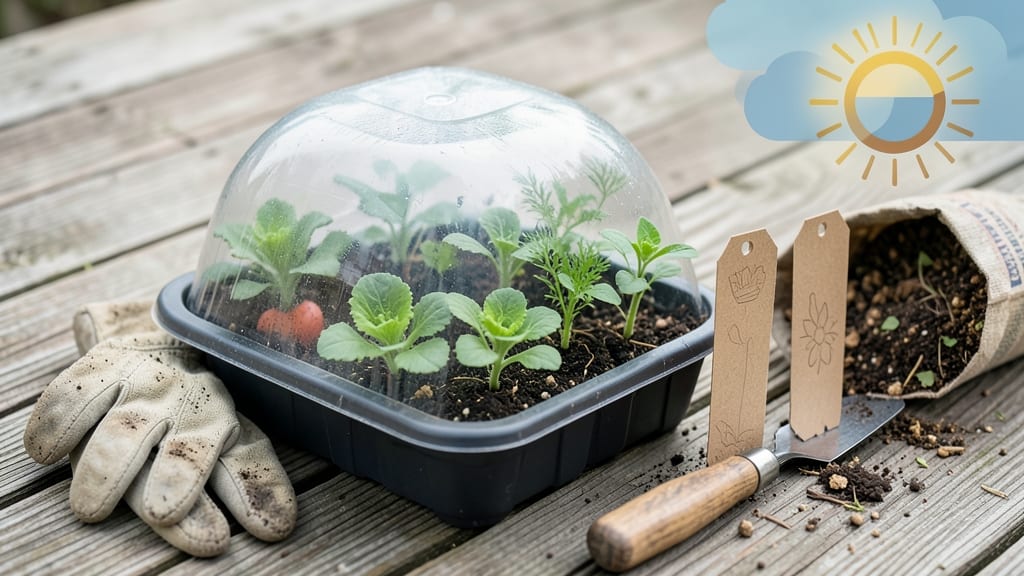
The best time to start a vegetable garden depends on your climate zone and last frost date — but for most gardeners, early spring is the fastest route to a thriving 🥬 harvest.
Timing your vegetable garden start can mean the difference between a bountiful harvest and struggling seedlings—yet most gardeners miss the ideal window for their climate zone.
In Zone 6, where spring arrives gradually, the sweet spot is April to early May, once soil temperatures hit 60°F and the risk of frost has passed. This window ensures your greens, root crops, and warm-season favorites all get a strong start.
Below, I break down the exact month-by-month calendar for your zone, how to adjust for local microclimates, and the 5 biggest mistakes that derail even the most eager gardeners.
Optimal planting times by USDA hardiness Zones: a month-by-month breakdown
Getting your vegetable garden's planting schedule right depends entirely on your USDA hardiness zone. While Zone 6 gardeners might start tomatoes in early May, Zone 9 gardeners could be planting the same crop in March.
The key is understanding your last frost date and aligning it with each crop's cool-season vs. warm-season needs.
Most seed packets suggest planting after your area's average last frost date, but this varies wildly—from mid-March in Zone 10 to late May in Zone 3. Even within zones, microclimates (like urban heat islands or mountain valleys) can shift planting windows by 2-4 weeks.
Let's break down what works for each zone month-by-month.
⚠️ Pro Tip: Use the USDA Plant Hardiness Zone Map to confirm your zone, then adjust for your local frost dates (check your National Weather Service or local cooperative extension office for precise data).
In Zones 3-4, where winters are harsh, focus on early spring starts indoors for cool-season crops like spinach and peas. Direct-sow after your last frost (typically late May), but use row covers to extend the season.
Warm-season crops like tomatoes and peppers won’t tolerate frost, so wait until soil temperatures hit 60°F—usually mid-to-late May.
Gardeners in Zones 5-6 enjoy a longer window. Start cool-season crops indoors in March (broccoli, cabbage) and direct-sow lettuce and carrots in April. Warm-season crops can go in as early as April if nights stay above 50°F, but May is safer for tomatoes and squash.
Double up with a fall planting of kale or radishes for winter harvests.
For Zones 7-8, the growing season stretches nearly year-round. Begin cool-season crops like onions and cabbage in February, then transition to warm-season plants in March.
Take advantage of fall plantings (September-October) for another round of leafy greens and root vegetables. In these zones, succession planting every 2-3 weeks keeps harvests continuous.
If you're in Zones 9-10, congratulations—you can garden almost anytime! Start cool-season crops in September for winter harvests,
How to adjust your planting schedule for local microclimates and crop types
Your local microclimate can create a 10°F temperature difference just a few blocks away—meaning your neighbor’s tomato plants might thrive while yours struggle. Urban heat islands, high-altitude chill, and even south-facing walls alter growing conditions. Understanding these factors lets you fine-tune your planting schedule for maximum success.
Not all crops play by the same rules either. Lettuce bolts in summer heat, while tomatoes need warm soil to germinate. By matching your days to maturity calculations with local conditions, you’ll avoid the heartbreak of stunted growth or wasted seeds.
Let’s break down how to customize your timing like a pro.
🌱 5 Key Adjustments for Your Planting Schedule
- 📍 Urban Heat Islands: Plant heat-loving crops (like okra or peppers) 2-3 weeks earlier than rural areas.
- ⛰️ High Altitude: Extend your cool-season crops by 2-4 weeks—frost comes later at 5,000+ feet.
- ☀️ South-Facing Spots: Start warm-season seeds (tomatoes, squash) 1 week earlier in sunny microclimates.
- 🌡️ Soil Temperature: Use a soil thermometer—most seeds need 60°F+ to germinate (wait for warm-season crops).
- 📅 Days to Maturity: Subtract 10-15 days for high-altitude areas when calculating harvest timing.
Let’s say your seed packet says “60 days to maturity” for bush beans. In a Zone 5 garden, you’d plant them 60 days before your first frost (typically mid-July).
But if you’re at 7,000 feet elevation, your frost date shifts to mid-September, so plant those beans by July 15th instead.
For urban gardens, where concrete and pavement trap heat, you can push warm-season crops like eggplant or peppers 2-3 weeks earlier. Monitor your microclimate by checking local weather stations or using a home weather app—these tools track heat islands and help you adjust.
Even a 5°F difference can mean the difference between thriving and struggling plants.
Pro tip: Succession planting works differently in microclimates. In cooler areas, sow lettuce every 2 weeks from April to July. In urban heat, stick to shade-tolerant varieties like ‘Black Seeded Simpson’ and plant them in partial shade during peak summer.
Always check your seed packet’s “days to maturity” and cross-reference with your local frost dates.
Remember, crop-specific needs matter just as much as climate. Tomatoes and peppers need warm soil (70°F+) to germinate, while spinach and kale thrive in cool weather (50-65°F).
Use a seedling heat mat for warm-season starts in chilly microclimates, or opt for cold-hardy varieties like ‘Winter Density’ kale if frost lingers.