
Planting
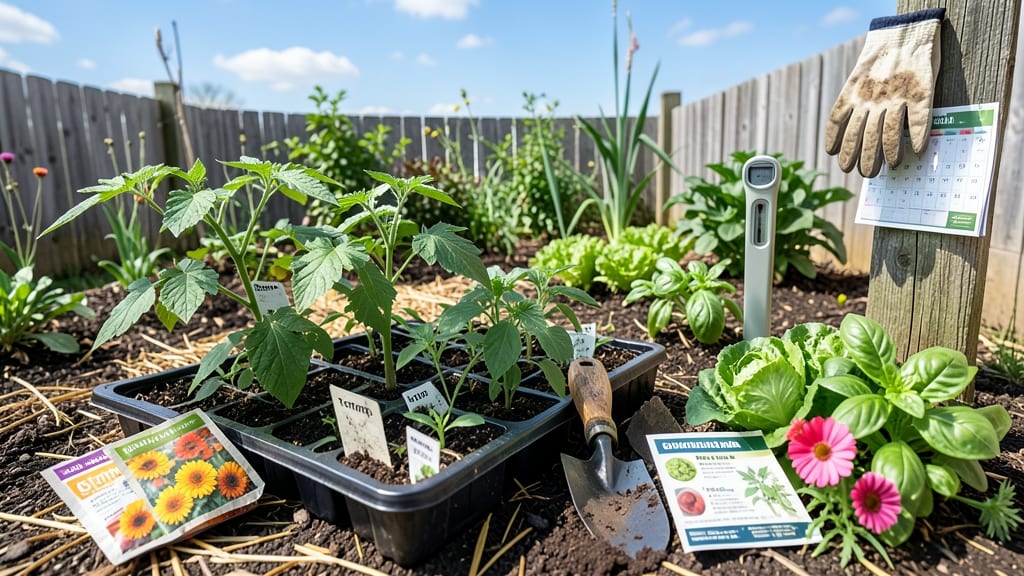
Planting your garden in Ohio at the right time means the difference between a bumper crop and a wasted season—and the clock starts ticking the moment the snow melts.
Ohio’s unpredictable spring weather can turn a gardener’s excitement into frustration—planting too early risks frost damage, while waiting too long means missing the ideal growing season. Knowing the exact frost-free dates by Ohio’s microclimates and crop types is the key to a thriving garden.
With USDA Zone 6a temperatures swinging from 32°F freezes in April to 90°F heatwaves by June, timing matters more than most gardeners realize. Cool-season crops like spinach and peas need to hit the soil 4-6 weeks before your last frost date, while tomatoes and peppers won’t tolerate a chill.
In this guide, I’ll break down Ohio’s planting deadlines by zone, crop type, and even soil prep tips to give your 🌱 garden the best possible start—no guesswork, just results.
Ohio’s frost-free planting zones: last spring & first fall deadlines by county
Ohio spans USDA Hardiness Zones 5b through 6b, meaning frost dates vary dramatically from northern Lake Erie counties to southern Appalachian regions.
These differences determine whether your tomatoes thrive or your peas bolt—and knowing your county’s exact frost-free window is the difference between a bountiful harvest and a sad, wilted disappointment.
Let’s break down the last spring frost and first fall frost deadlines by region, including urban heat island exceptions and lake-effect delays near Erie and Maumee Bay.
For most of Ohio, the last spring frost typically arrives between mid-April and early May, while the first fall frost hits between mid-October and late November.
However, these dates shift 1-2 weeks earlier in northern counties like Ashtabula or Lucas and 1-2 weeks later in southern counties like Lawrence or Scioto. Urban areas like Columbus or Cincinnati often experience microclimates that delay frost by 5-7 days due to concrete and asphalt retaining heat.
Here’s the critical data you need to plan your spring and fall planting—including adjustments for lake-effect zones (like Toledo and Cleveland) and Appalachian foothills (like Athens or Hocking County). Use this as your planting calendar guide to time everything from cool-season crops to warm-season transplants.
| Region | USDA Zone | Last Spring Frost | First Fall Frost | Notes |
|---|---|---|---|---|
| Northern Ohio (Ashtabula, Lake, Geauga) | 5b | April 20–May 5 | October 5–15 | Lake-effect delays frost 3–7 days |
| Northeast Ohio (Cuyahoga, Lorain, Medina) | 6a | April 25–May 10 | October 10–20 | Urban heat islands delay frost 5–7 days |
| Northwest Ohio (Lucas, Wood, Ottawa) | 5b–6a | April 15–April 30 | September 25–October 10 | Maumee Bay extends frost-free season |
| Central Ohio (Franklin, Delaware, Madison) | 6a–6b | April 30–May 15 | October 15–25 | Columbus urban areas run 3–5 days warmer |
| Southeast Ohio (Athens, Hocking, Scioto) | 6b | May 5–May 20 | October 25–November 5 | Appalachian foothills add 7–10 days |
| Southwest Ohio (Hamilton, Butler, Warren) | 6a–6b | April 25–May 10 | October 10–20 | Cincinnati’s urban heat extends season |
If you’re planting cool-season crops like spinach or peas, aim to sow seeds 4–6 weeks before your last spring frost.
For example, in Zone 5b (northern Ohio), that means starting seeds by mid-March, while in Zone 6b (southern Ohio), you can wait until early April. Warm-season crops like tomatoes and peppers should only go into the ground after your last frost date, so hold off until May 1–May 15 in most regions.
For fall planting, focus on cool-hardy crops like kale, carrots, and radishes—these can handle light frosts and even improve in flavor after a light freeze.
In northern Ohio (Zone 5b), plant by August 15 to harvest before frost, while southern Ohio (Zone 6b) gardeners have until September 15. Urban gardeners in Columbus or Cincinnati can push these deadlines back by 5–7 days thanks to the urban heat island effect.
One critical exception is lake-effect zones near Erie and Maumee Bay, where cold air off the water can delay spring planting by 1–2 weeks. If you’re in Toledo or Cleveland, wait until May 1–May 10
Best planting times for Ohio’s top vegetables, flowers, and herbs
Ohio’s frost-free dates vary dramatically by region, but most gardeners can expect their last spring frost between April 15 and May 1, depending on location. For a thriving garden, timing is everything—plant cool-season crops too late, and they’ll bolt; plant warm-season crops too early, and frost will kill them.
I’ve broken down the best windows for Ohio’s most popular plants, including when to start seeds indoors versus direct-sowing outdoors.
My favorite Ohio-friendly varieties include ‘Sugar Snap’ peas and ‘Broccoli Calabrese’ for cool seasons, plus ‘Brandywine’ tomatoes and ‘Jalapeño M’ peppers for warm seasons. Perennials like purple coneflowers and English lavender also thrive here with the right timing.
Let’s dive into the specifics so you can plan your garden like a pro.
- Cool-Season Crops (March–April): Start spinach, peas, and broccoli indoors 4–6 weeks before last frost (around March 1 for most of Ohio). Direct-sow lettuce and radishes as soon as soil is workable (35°F+).
- Warm-Season Crops (May–June): Wait until after May 15 to plant tomatoes, peppers, and beans—soil should be 60°F+. Start transplants indoors in late March for a head start.
- Perennial Flowers (April–May): Plant coneflowers and lavender in early spring (April) for established roots before summer heat. Avoid fall planting—they need time to root before winter.
- Fall Planting (August–September): Sow kale, carrots, and radishes in late summer for a second harvest before first frost (October 15 in most zones). Use row covers to extend the season.
- Succession Planting: For bush beans and lettuce, make weekly sowings every 2–3 weeks from May to July to ensure a continuous harvest.
Ohio’s microclimates mean your neighbor’s frost date might differ by weeks—especially near Lake Erie or in urban heat islands. If you’re in Zone 5b (northwest Ohio), err on the side of caution and wait until May 10 for warm-season crops.
In Zone 6b (southern Ohio), you can plant peppers as early as April 20 with row covers.
For herbs like basil, wait until after May 15—they’re frost-sensitive and won’t tolerate even light freezes. But parsley and cilantro are cool-season heroes; sow them in early spring or late summer for a fall crop.
My trick? Mark your calendar for Mother’s Day weekend—it’s a reliable benchmark for warm-season planting in most of Ohio.
Don’t forget to harden off seedlings for 7–10 days before transplanting, especially if you’re rushing to beat the last frost. Acclimate them gradually to sun and wind to avoid shock.
And if a late frost threatens? Cover tender plants with frost blankets or old bedsheets—it’s a lifesaver for tomato seedlings and peppers.
Pro tip: Use a garden journal to track your frost dates for 2–3 years. Ohio’s weather patterns shift, and your notes will help you fine-tune planting times for future seasons. Happy gardening!