Companion Plants
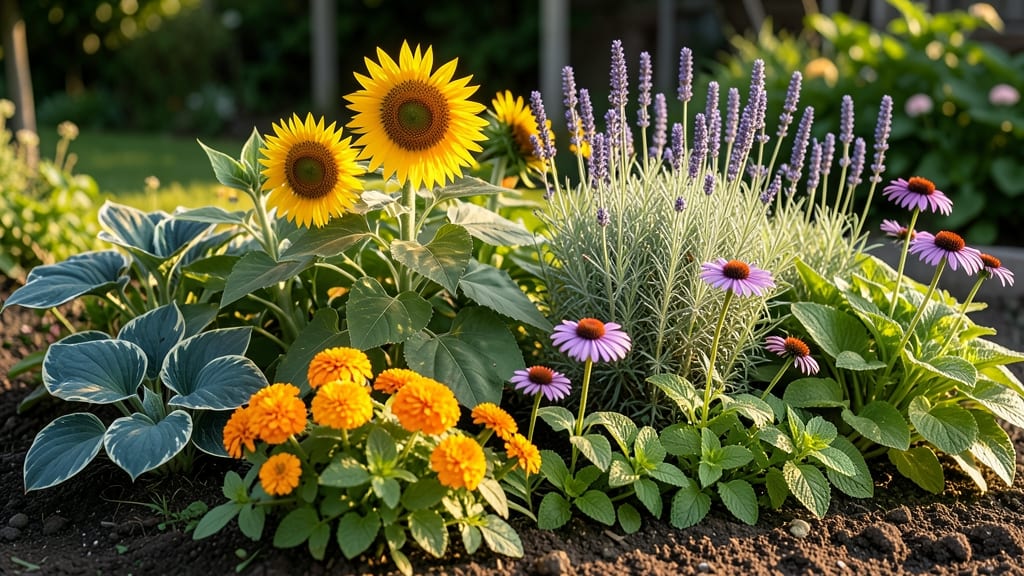
Growing the right popular garden plants can turn your yard into a thriving, low-maintenance paradise that hums with life year-round.
Picture this: a garden that never looks bare, where bees buzz from spring blooms to fall asters, and where every season brings something new. The secret isn’t complicated—it’s about choosing plants that work together, thrive in your climate, and keep the color and activity going without constant effort.
From sun-loving lavender to shade-friendly hostas, these top-performing plants are the backbone of effortless beauty. They attract pollinators, repel pests, and adapt to everything from city balconies to rural plots.
Whether you’re a beginner or a seasoned gardener, the right mix can transform even a small space into a vibrant ecosystem.
Below, I’ll break down the best plants for your garden, how to pair them for continuous blooms, and simple tips to keep them looking their best with minimal work. Let’s make your garden the envy of the neighborhood—without the stress.
Top 10 year-round garden plants for color and pollinator support
Creating a garden that thrives all year while supporting local pollinators doesn't require endless work. The key lies in selecting pollinator-friendly plants that bloom in succession, require minimal care, and adapt to various climates.
These popular garden plants provide vibrant colors from early spring through late fall, ensuring your garden remains a buzzing hub for bees, butterflies, and hummingbirds.
I've curated this list based on versatility, visual appeal, and low-maintenance requirements. Each plant offers something unique—whether it's long bloom times, drought tolerance, or resistance to common pests. The best part? Many of these beauties return year after year, reducing your workload while increasing your garden's impact.
For easy comparison, I've organized these top 10 plants into a quick-reference table below. This will help you visualize how they stack up in terms of bloom season, sun requirements, and pollinator benefits.
| Plant Name | Bloom Season | Sun Needs | Height | Pollinator Value |
|---|---|---|---|---|
| Butterfly Weed (Asclepias tuberosa) | Summer-Fall | Full Sun | 2-3 ft | Monarch caterpillars + bees |
| Coneflower (Echinacea purpurea) | Summer-Fall | Full Sun-Part Shade | 2-4 ft | Bees, butterflies, birds |
| Russian Sage (Perovskia atriplicifolia) | Summer-Fall | Full Sun | 3-5 ft | Bees, hummingbirds |
| Salvia (Salvia nemorosa) | Spring-Summer | Full Sun | 2-3 ft | Bees, butterflies |
| Black-Eyed Susan (Rudbeckia hirta) | Summer-Fall | Full Sun-Part Shade | 1-3 ft | Bees, butterflies |
| Bee Balm (Monarda didyma) | Summer-Fall | Full Sun-Part Shade | 2-4 ft | Bees, hummingbirds |
| Lavender (Lavandula angustifolia) | Spring-Summer | Full Sun | 1-2 ft | Bees, butterflies |
| Goldenrod (Solidago spp.) | Late Summer-Fall | Full Sun-Part Shade | 2-4 ft | Bees, butterflies |
| Asters (Symphyotrichum spp.) | Fall-Winter | Full Sun-Part Shade | 1-4 ft | Bees, butterflies |
| Daffodils (Narcissus) | Early Spring | Full Sun-Part Shade | 6-12 in | Early bees |
Let's start with my top pick: Butterfly Weed. This native North American beauty is a pollinator magnet, especially for monarch butterflies. Its vibrant orange flowers bloom from mid-summer through fall, providing late-season nectar when many other plants have finished.
The deep taproot also makes it incredibly drought-tolerant, perfect for dry climates or low-water gardens.
For continuous color, pair Coneflower with Russian Sage. Coneflowers offer long-lasting blooms and are incredibly deer-resistant, while Russian Sage provides silvery foliage and delicate lavender-blue flowers that attract hummingbirds. Together, they create a low-maintenance perennial combination that thrives in full sun with minimal watering.
If you're looking for early-season interest, Daffodils are a must-have. These hardy bulbs bloom in early spring, often before snow has melted, providing crucial early nectar sources
How to choose pollinator-friendly plants for your climate zone
Creating a pollinator paradise starts with selecting the right plants for your local climate. Native species often thrive with less effort while providing the most nectar for bees, butterflies, and hummingbirds.
But how do you match plants to your USDA hardiness zone and ensure continuous blooms? Let’s break it down step by step.
First, research your hardiness zone—this determines which plants will survive winter. For example, zone 5 gardeners can grow hardy perennials like coneflowers, while zone 9 might opt for sage or lavender.
Pair early bloomers like daffodils with summer favorites such as black-eyed Susans to keep pollinators fed year-round.
Native plants are your best bet—they’ve evolved alongside local pollinators, making them more efficient food sources. Non-natives can still work, but prioritize those with long bloom times (like bee balm) or multiple flowering cycles. Always check seed packets or plant tags for zone compatibility and sunlight needs.
🌱 Top Pollinator Plants by Season
Next, group plants by height and bloom time to create a layered garden. Tall sunflowers (6+ feet) can stand behind mid-height bee balm (3 feet), with low-growing creeping thyme at the front. This not only looks stunning but also guides pollinators deeper into your garden.
Don’t forget to include host plants like milkweed for monarch butterflies or fennel for swallowtails. These plants are critical for pollinator lifecycles and often attract more species than flowers alone. For urban gardens, consider container-friendly options like lavender or nasturtiums.
Finally, avoid pesticides—even natural ones can harm pollinators. Instead, use companion planting (e.g., marigolds to repel pests) and mulch to retain moisture. With the right mix, your garden will buzz with life from spring to frost! 🌻