
Planting
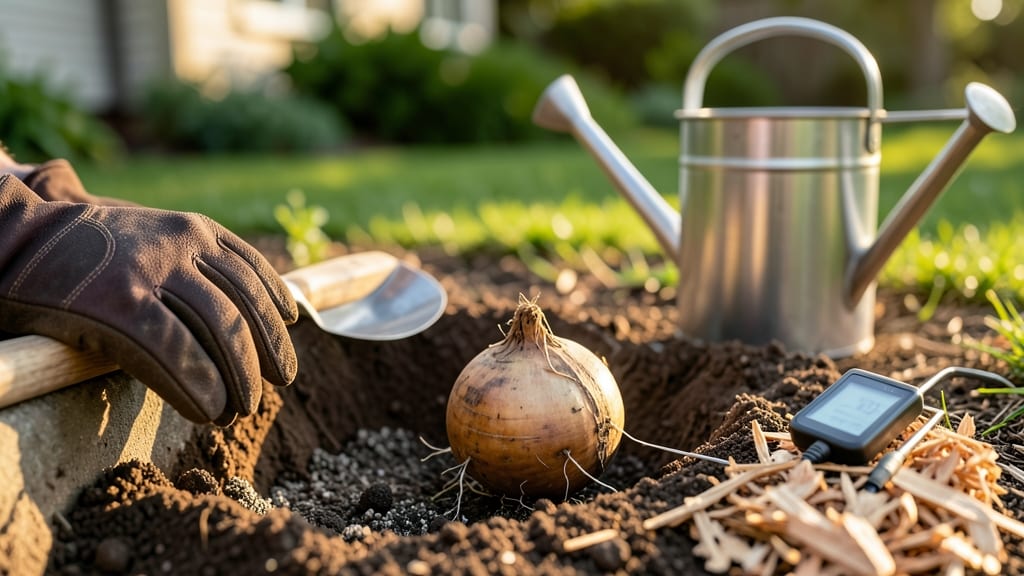
Planting lily bulbs in the garden during fall ensures they’ll establish roots before winter and reward you with showstopping blooms next summer—but timing is everything.
Picture this: you’ve picked out the most stunning 🌸 lilies at the nursery, only to realize too late that your zone’s frost is just weeks away.
That’s why knowing the exact window—whether you’re in Zone 6a or further south—makes all the difference between a thriving garden and a year of waiting.
Most gardeners in cooler climates aim for September through November, when soil stays warm enough for roots to grow but temperatures won’t freeze before the bulbs settle in. Meanwhile, those in milder zones can plant as late as December, giving you flexibility without sacrificing next year’s flowers.
Below, I’ll break down the ideal planting months by your USDA zone, soil prep secrets to avoid common pitfalls, and how to keep your lilies happy until those first buds appear in June or July.
Best planting months for lily bulbs by USDA hardiness Zone
Timing your lily bulb planting is the secret to vibrant blooms next spring. These stunning perennial flowers need a precise window—plant too early, and they’ll rot; too late, and they won’t establish roots before winter.
The key? Planting when soil temperatures drop below 60°F but before frost arrives. This guide breaks down the ideal months by USDA zone, plus soil temp cues to avoid common mistakes.
Lilies thrive in zones 3 through 10, but their planting schedule shifts dramatically from cold northern climates to mild southern regions. For example, gardeners in Zone 3 must plant in early September to beat frost, while those in Zone 10 can wait until December.
The goal is always the same: 6-8 weeks before ground freezes to allow root development.
Pro Tip: Use a soil thermometer to confirm temps are below 60°F—this is your green light to plant. In warmer zones, you can even plant in early spring (February-March), but fall planting yields stronger blooms the following year.
| USDA Zone | Best Planting Month | Soil Temp Cue | Seasonal Notes |
|---|---|---|---|
| Zones 3-4 | Early September | Below 60°F | Plant before first frost (usually late Sept/Oct). Use mulch to protect bulbs. |
| Zones 5-6 | Mid-September to October | 55-60°F | Avoid planting in wet soil—wait for ground to cool after summer rains. |
| Zones 7-8 | October to November | 50-55°F | Can plant until December in mild winters. Daylilies (not true lilies) tolerate later planting. |
| Zones 9-10 | December to February | 45-50°F | Plant in cool winter months to avoid summer heat stress. Water deeply after planting. |
In Zone 3, where winters are harsh, I always plant Asiatic lilies in early September—they’re the hardiest and bloom earliest.
For Zone 8, I extend planting until November, focusing on Oriental lilies, which appreciate the cooler temps. Martagon lilies (turk’s cap lilies) are my go-to for Zone 5 because they handle early frosts better than others.
Watch for seasonal cues like leaf drop on deciduous trees or mornings with a light frost. These signal it’s time to plant.
In southern zones, I plant after Christmas to avoid summer heat stress—lilies hate hot, dry soil when establishing roots. Test your soil too: lilies prefer pH 6.1-7.0 and well-draining conditions.
If you miss the fall window, don’t panic! Spring planting (February-March in Zones 7-10) still works, but blooms may be smaller or delayed. For example, in Zone 9, I’ve planted in February and still gotten summer blooms, though not as robust as fall-planted bulbs.
The trade-off? Fewer pests in spring since bulbs haven’t had time to attract lily beetles.
For container gardening, adjust your timeline by 2-3 weeks earlier—pots heat up faster and dry out quicker. I plant potted lilies in late August in Zone 6 and move them to a garage or cold frame before hard frosts.
This trick extends their life by 1-2 years in pots. Hardneck lilies (like Stargazer) are my top pick for containers because they’re more cold-tolerant.
Remember: Depth matters. Plant bulbs 6-8 inches deep—deeper in sandy soil, shallower in clay. Add compost to the bottom of the hole to boost drainage and nutrients. After planting, water deeply and mulch with straw to retain moisture and regulate soil temps. This simple step <
How to prepare your garden for lily bulbs before planting
Before you even think about planting those lily bulbs, your garden needs the perfect foundation. Lilies thrive when given the right conditions—well-draining soil, plenty of sunlight, and the right companions to keep pests at bay.
Skipping these prep steps can mean weak growth or even no blooms next year. Let’s set your lilies up for success with a few key preparations.
Start by selecting a sunny spot in your garden. Lilies demand 6+ hours of full sun daily to produce their iconic blooms. If your yard is shady, consider container growing near a south-facing window or a raised bed where you can control sunlight exposure.
Without enough light, your lilies will stretch and flop, producing fewer—and smaller—flowers.
-
1
Test and Amend Your Soil
Use a soil test kit to check pH (6.1-7.0 is ideal). Mix in compost or aged manure to improve drainage and fertility. Lilies hate soggy soil! -
2
Choose the Right Location
Pick a spot with full sun and good airflow. Avoid low-lying areas where water pools. If your soil is heavy clay, amend it with perlite or sand. -
3
Plant Companion Plants
Add garlic or chives nearby to deter pests like aphids. Marigolds also repel bugs and add vibrant color. Avoid planting lilies near tulips or daffodils, which can attract the same pests. -
4
Loosen the Soil
Dig a hole twice as wide as the bulb and 6-8 inches deep. Break up compacted soil with a fork to help roots spread easily. This prevents root bound and encourages stronger growth. -
5
Add a Slow-Release Fertilizer
Mix bone meal or a balanced bulb fertilizer (5-10-10) into the soil at planting. This gives your lilies a nutrient boost without risking burn from over-fertilizing.
Once your soil is prepped, it’s time to think about mulching. Apply a 2-3 inch layer of mulch (like straw or shredded bark) around your planted lilies.
This helps retain moisture, regulates soil temperature, and suppresses weeds—all of which contribute to healthier plants. Just keep the mulch away from the bulb base to prevent rot.
Finally, water your newly planted lilies deeply but infrequently. Aim for 1 inch of water per week, delivered in the morning to reduce fungal risks. Avoid overhead watering, which can spread diseases like botrytis blight.
With these steps, your lilies will have the ideal environment to grow strong roots and burst into bloom next season.
Now that your garden is ready, you’re one step closer to a showstopping display of lily blooms! Just remember: patience is key—lilies often take a year to establish before they reward you with those stunning flowers. 🌸