
Blooming
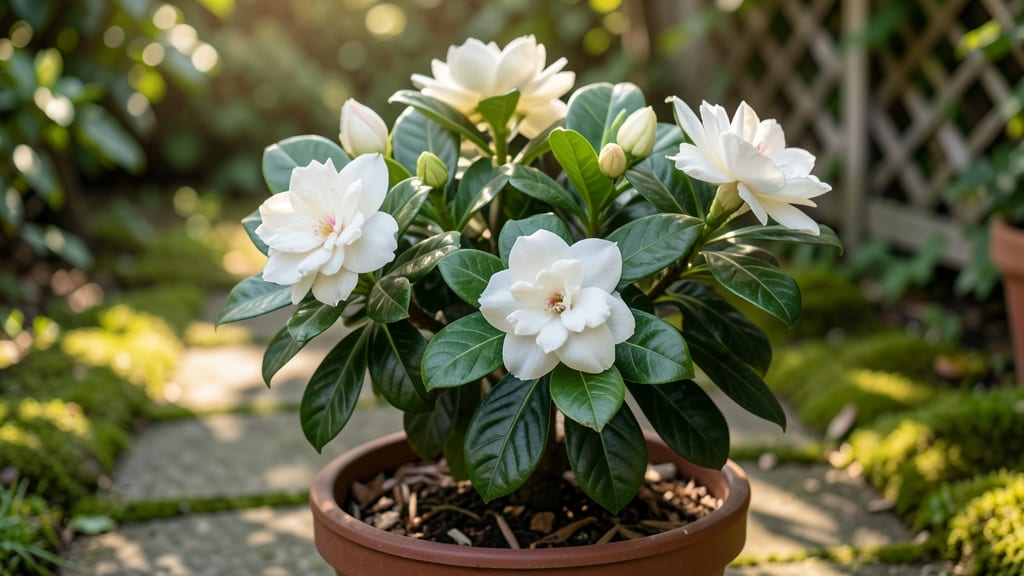
Gardenia flowering season brings those heavenly-scented blooms 🌸 that turn any garden into a fragrant paradise—but timing is everything.
If you’ve ever inhaled the intoxicating scent of a gardenia in full bloom, you know why gardeners obsess over timing—just one wrong month can mean missing that heavenly fragrance entirely.
But here’s the secret: different gardenia varieties bloom at specific times, and knowing the exact window for each can double your chances of a show-stopping display.
From late spring to summer, the gardenia flowering season varies by variety and climate—some burst into bloom as early as May, while others linger into September.
The key to maximizing those fragrant blooms lies in understanding your plant’s needs, whether it’s adjusting light, pruning at the right time, or feeding just enough to encourage (not overpower) the flowers.
In this guide, you’ll discover the exact months your gardenia is most likely to flower, plus pro tips to extend that season—so you can enjoy that intoxicating aroma for weeks longer.
Gardenia flowering season by variety: exact months for peak blooms
Timing is everything when it comes to gardenias—these fragrant beauties thrive on precision. The Gardenia jasminoides, the most popular variety, typically bursts into bloom between late May and July in USDA Zones 8–11.
However, your exact timing depends on whether you’re in cooler coastal climates (like San Francisco) or hotter inland regions (like Phoenix). For example, gardenias in Zone 9 may start blooming as early as April, while those in Zone 11 might wait until June or July.
Climate plays a huge role in shifting bloom windows. In humid subtropical zones (8–9), gardenias often flower earlier due to consistent warmth, while arid desert zones (10–11) can delay blooms until summer’s peak heat subsides.
Even a single late frost in spring can push blooms back by weeks, so knowing your microclimate is key. For instance, gardenias in Zone 8 near the coast may bloom in May, while inland plants might not flower until June or July.
Here’s how regional microclimates affect your gardenia’s schedule:
| Variety | Peak Bloom Months (Zones 8–9) | Peak Bloom Months (Zones 10–11) | Climate Notes |
|---|---|---|---|
| Gardenia jasminoides | Late May–July | June–August | Cooler zones bloom earlier; heat delays Zone 11 |
| Gardenia 'Fortuniana' | June–August | July–September | Larger blooms need consistent warmth |
| Gardenia radicans | April–June | May–July | Early bloomer; thrives in partial shade |
| Gardenia 'Kleim’s Hardy' | June–August | July–September | Cold-hardy; blooms later in cooler zones |
The Gardenia radicans, often called the "coral gardenia," is a standout early bloomer, typically flowering between April and June in Zones 8–9. This variety is perfect if you want to catch those first whiffs of gardenia scent in spring.
In contrast, Gardenia 'Fortuniana', known for its massive, creamy-white blooms, usually waits until June or July in cooler zones but can stretch blooms into September in Zone 11’s heat.
For gardeners in Zone 8, where frosts linger longer, Gardenia 'Kleim’s Hardy' is a reliable choice. It often blooms from June to August, providing a longer window than tropical varieties.
This variety is also more forgiving if you experience late spring frosts, as it can handle cooler temperatures better than its relatives. If you’re in Zone 10 or 11, expect blooms to shift later, with peak fragrance typically arriving in July or August.
Light exposure can also tweak bloom timing. Gardenias in full morning sun (like an east-facing garden bed) often bloom 2–3 weeks earlier than those in deep shade. However, avoid harsh afternoon sun, which can scorch leaves and delay flowering.
If your gardenia isn’t blooming on schedule, check its light conditions—too little light can push blooms back by weeks, while too much can stress the plant entirely.
Soil acidity is another hidden factor. Gardenias crave acidic soil (pH 5.0–6.5). If your soil is alkaline, blooms may arrive late or be sparse. A simple soil test can reveal if you need to amend with peat moss or sulfur to encourage timely flowering.
Even a 1-point pH shift can delay blooms by 1–2 weeks, so don’t overlook this critical detail.
Pruning also impacts timing. If you prune too late in the season (after June), you risk cutting off next year’s flower buds. Aim to prune in early spring (February–March) to encourage new growth and on-time blooms.
Over-pruning can shock the plant, causing it to skip flowering entirely or bloom much later than expected.
Finally, watering habits matter. Gardenias need consistent moisture, especially during bud formation. If soil dries out completely, buds may drop before opening, pushing blooms back by weeks. Aim for 1–2 gallons of water per plant weekly, adjusting for heat or drought.
Mulching with pine bark** helps retain moisture and keeps roots cool, both of which encourage timely blooms.
With these tips, you’ll be ready to greet your gardenia’s fragrance at the perfect moment—no missed blooms in sight! 🌸
How to extend your gardenia’s flowering season naturally
Gardenia plants thrive on routine, but their flowering season can stretch longer than usual with a few strategic tweaks. The key lies in understanding their natural triggers—like daylight hours and soil conditions—and giving them a gentle nudge in the right direction.
For example, Gardenia jasminoides typically blooms from late spring to early fall, but with the right care, you can coax flowers 2-4 weeks earlier or delay their decline.
Many gardeners accidentally shorten their gardenia’s bloom time by over-fertilizing or pruning at the wrong moment. The good news? Small adjustments—like soil pH adjustments or pruning techniques—can make a world of difference.
Even light exposure changes can trick your plant into thinking it’s a different season, prompting earlier or later blooms.
⚠️ Common Mistakes That Kill Bloom Time
Over-pruning: Cutting back too aggressively in late summer removes next year’s flower buds. Only prune after blooming (late fall/winter).
Wrong fertilizer: High-nitrogen feeds boost leaves but delay blooms. Use a low-nitrogen, high-phosphorus fertilizer (like 10-10-10) instead.
Ignoring soil pH: Gardenias need acidic soil (pH 5.0–6.5). Test your soil—if it’s alkaline, blooms will suffer.
To encourage earlier blooms, start by adjusting your gardenia’s light exposure. Move potted plants to a sunnier spot in early spring (but avoid harsh afternoon sun). For in-ground gardenias, thin nearby foliage to let in more morning sunlight.
This mimics longer daylight hours, signaling the plant to bloom sooner. Pair this with a light feeding of fertilizer in February or March to give roots a growth boost.
For later blooms, focus on soil moisture and shade. Keep the soil consistently moist (but not soggy) and provide afternoon shade during peak summer heat. This slows growth slightly, delaying the natural bloom cycle.
In USDA Zones 8–10, mulch heavily with pine bark or compost to insulate roots and extend the growing season.
Don’t forget about winter protection for tropical varieties. Wrap young plants in burlap or frost cloth if temperatures dip below 30°F. Even a light frost can shock the plant, causing it to drop buds prematurely.
In Zone 7 or colder, grow gardenias in containers and move them indoors near a bright, cool window during winter.
Finally, deadhead spent blooms regularly to redirect the plant’s energy into new flowers. But here’s the trick: Leave 1-2 buds per stem to encourage more blooms.
And if your gardenia looks stressed, it’s not too late—trim back leggy growth in early fall to promote bushier, more productive growth next season.