
Planting
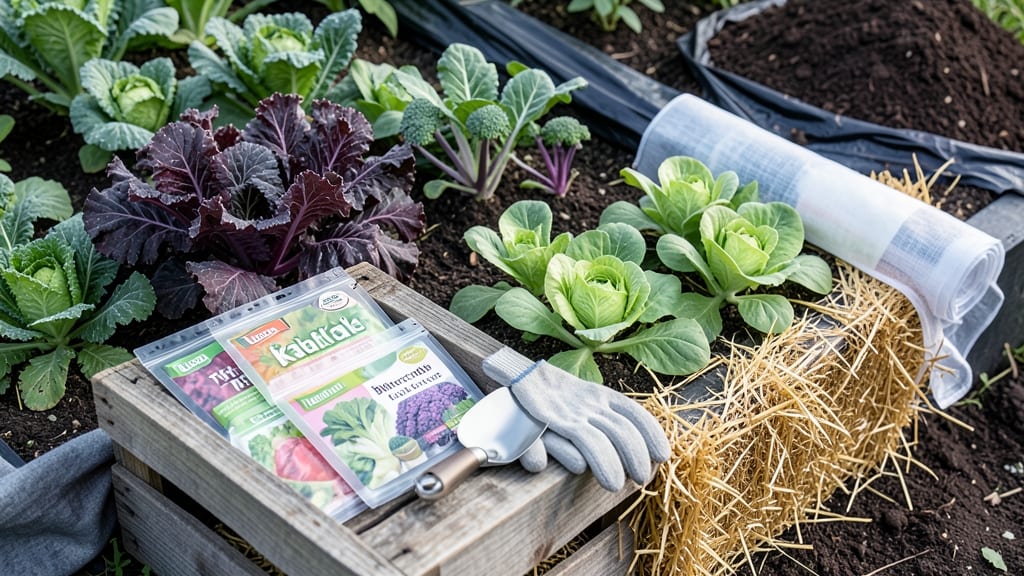
Planting a winter garden in Florida means timing your crops to avoid frost while maximizing yields—start leafy greens in September and root veggies by October for a frost-free harvest.
If you’ve ever watched a sudden cold snap turn your tender seedlings into a sad, wilted mess, you know Florida’s winters aren’t as forgiving as they seem. The key? Leveraging the state’s mild climate by planting the right crops at the right time—before the occasional 30°F dip ruins your plans.
North Florida’s cooler zones (like Zone 8) need early starts, while South Florida’s warmer areas (like Zone 10) can stretch harvests into spring.
I’ll break down the exact months for 20+ winter crops, from broccoli to carrots, so you can enjoy fresh greens even when your neighbors are still shivering.
You’ll also learn how to prep your soil, protect delicate plants from unexpected frost, and avoid the biggest mistakes Florida gardeners make—like overwatering in humid winters or ignoring soil pH shifts. Let’s get that garden growing!
Best months to plant winter vegetables in Florida by hardiness zone
Florida’s mild winter climate makes it possible to grow fresh vegetables year-round, but the key is timing. Unlike northern states, Florida’s USDA zones 7-11 have varying frost risks and heat tolerance thresholds.
In Zone 7, light frosts may occur, while Zones 8-11 rarely see frost, allowing for extended growing seasons. Understanding these differences ensures your winter garden thrives without unexpected setbacks.
For cool-season crops, the ideal planting window typically starts in September and extends through November, depending on your zone. Leafy greens like lettuce and spinach can handle light frosts, while root vegetables such as carrots and beets prefer cooler soil temps.
Meanwhile, herbs like cilantro and brassicas like broccoli need consistent temperatures to avoid bolting or stunting.
Below is your Florida winter planting calendar, broken down by zone and crop type. Use this as your guide to maximize yields and avoid common mistakes like planting too early in frost-prone areas or too late when heat stress becomes an issue.
| Crop Type | Best Planting Months (Zones 7-11) | Ideal Soil Temp (°F) | Days to Harvest | Frost Tolerance |
|---|---|---|---|---|
| Leafy Greens (Lettuce, Spinach, Kale) | Sep-Nov (Zone 7), Oct-Dec (Zones 8-11) | 50-70°F | 30-60 days | Moderate (Zone 7: light frost) |
| Brassicas (Broccoli, Cabbage, Cauliflower) | Sep-Oct (Zone 7), Oct-Nov (Zones 8-11) | 55-65°F | 60-90 days | High (survives light frost) |
| Root Vegetables (Carrots, Beets, Radishes) | Oct-Nov (All Zones) | 50-75°F | 40-70 days | Low (avoid frost) |
| Peas (Snap, Snow, Garden) | Oct-Nov (Zone 7), Nov-Dec (Zones 8-11) | 50-60°F | 60-75 days | Moderate (light frost OK) |
| Herbs (Cilantro, Parsley, Dill) | Sep-Oct (All Zones) | 55-70°F | 30-50 days | Low (bolts in heat) |
| Green Onions/Scallions | Oct-Dec (All Zones) | 50-65°F | 45-60 days | High (frost-resistant) |
| Turnips | Sep-Oct (Zone 7), Oct-Nov (Zones 8-11) | 50-60°F | 50-70 days | Moderate (tolerates light frost) |
| Collard Greens | Sep-Oct (All Zones) | 60-75°F | 60-80 days | Very High (thrives in cold) |
In Zone 7, where light frosts can occur as early as December, prioritize frost-tolerant crops like collard greens, kale, and broccoli. Start these in September to ensure they mature before temperatures drop.
For Zones 8-11, where frost is rare, you can extend planting into December for crops like lettuce and spinach, but avoid planting too late—heat stress in January can stunt growth.
Soil temperature is just as critical as air temperature. Use a soil thermometer to confirm your garden bed is between 50-70°F
Top 5 fast-growing winter crops for Florida’s short season (and when to start them)
Florida’s winter season is short but sweet—perfect for growing fast-maturing crops that thrive in cooler temps. The key is selecting varieties that balance speed and frost resistance while aligning with Florida’s microclimates.
Whether you’re in North Florida’s zone 8 or South Florida’s zone 10, these top 5 picks will give you a harvest before summer heat arrives.
I’ve tested these varieties in my own Central Florida garden, where temperatures dip into the 40s°F at night but rarely stay cold long. The goal? Harvest in 45-60 days while dodging frost damage. Let’s dive into the fastest, most reliable options—and the exact planting windows that work best.
First up is ‘Florida Broadleaf’ lettuce, a heat-tolerant variety that thrives in Florida’s winter conditions. This loose-leaf lettuce matures in just 30-40 days, making it ideal for quick harvests.
I’ve sown seeds in October for a December-January harvest before summer heat sets in. It handles light frosts down to 28°F and even does well in partial shade.
Next, ‘Blue Lake’ bush beans are a high-yielding choice that produces tender pods in 50-60 days. For best results, plant seeds in November in North Florida or December in South Florida.
These beans love full sun but appreciate afternoon shade in zone 9+. A pro tip: Stake or trellis them to maximize space and airflow, reducing disease risk in Florida’s humid winters.
Don’t overlook ‘Red Ruby’ turnips, which mature in just 40-50 days and add bold color to your winter garden. Sow seeds in September-October for a November-December harvest.
Turnips are frost-hardy and even sweeter after light frost. I’ve found they grow best in well-draining soil with consistent moisture, so mulch heavily to retain soil warmth.
For herb lovers, ‘Sweet Basil’ is a must—it grows surprisingly well in Florida’s winter if given protection from cold snaps. Start seeds indoors in September and transplant outdoors in October after the first frost.
Basil thrives in containers and can be moved indoors if temps drop below 50°F. Harvest leaves regularly to encourage bushier growth and prevent bolting.
Finally, ‘Cilantro’ (Coriander) is a fast-growing herb that bolts quickly in heat but thrives in winter. Plant seeds in November-December for a harvest in 30-45 days. To extend the season, succession plant every 2-3 weeks.
Cilantro loves cool weather and moist soil, so water consistently and avoid letting it dry out. It’s perfect for pesto or garnishes!
Timing is everything in Florida’s winter garden. For North Florida (zones 7-8), aim to plant by mid-October for a December-January harvest. In South Florida (zones 9-11), you can extend planting into November thanks to milder temps.
Always monitor frost forecasts and use row covers if needed to protect tender crops.