
Planting
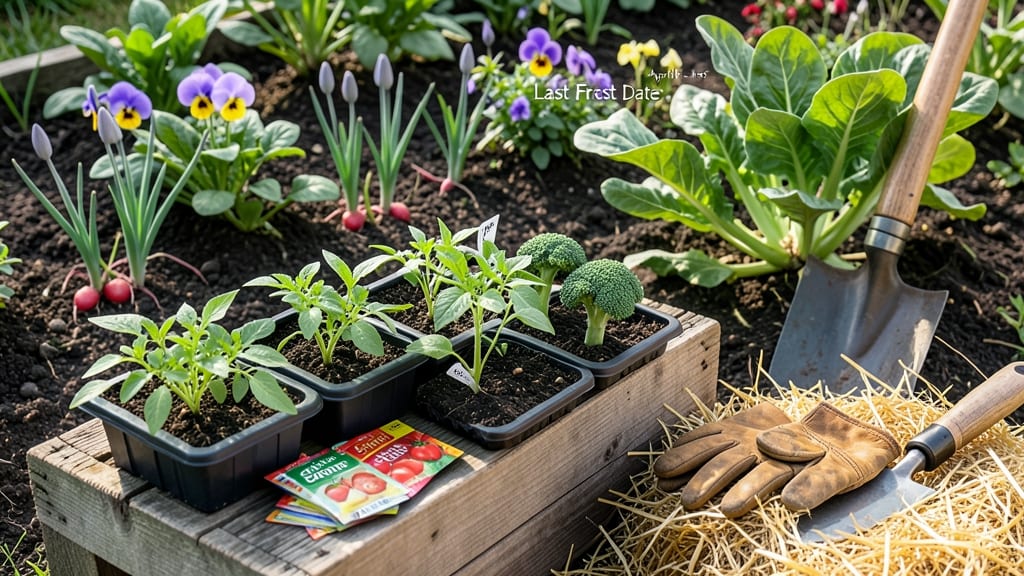
Planting your garden in Virginia at the right time ensures strong roots and bountiful harvests 🌱 — timing matters more than you might think.
Virginia’s diverse climate—from coastal mildness to mountainous chill—means planting at the wrong time can turn your garden dreams into wilted disappointment. Get the exact dates for your zone to maximize growth and avoid frost-related heartbreak.
Cool-season crops like spinach and broccoli thrive when planted in early spring or late fall, while warm-season favorites such as tomatoes and peppers need to wait until after the last frost. Knowing your USDA zone helps narrow down the perfect window.
Below, I break down Virginia’s planting calendar by region, share frost-date tools, and reveal tricks to extend your growing season—so you can enjoy fresh produce from spring to fall.
Virginia planting zones & last frost dates by region (2024 guide)
Virginia spans 7 USDA hardiness zones (5a through 8a), creating dramatic differences in frost timing from the coastal plains to the mountains. Knowing your exact zone and frost dates means the difference between thriving tomatoes and sad, blackened seedlings.
Let’s break down what you need to know for 2024 planting success—because timing is everything in Virginia’s unpredictable climate.
First, locate your zone using the Virginia Cooperative Extension’s interactive map or check your ZIP code against the USDA zone map. Most gardeners in Northern Virginia fall into zones 6b-7a, while the Shenandoah Valley sits in 6a-5b, and the Tidewater region enjoys milder 8a conditions.
These zones dictate your last spring frost and first fall frost dates, which are the bookends of your planting window.
Here’s the critical data you need to plan your garden: average last frost dates in spring and first frost dates in fall, organized by region. Use these as your planting deadlines, but always monitor local forecasts—Mother Nature doesn’t always follow the averages!
Notice how the Tidewater region has a nearly frost-free winter, while the Shenandoah Valley can still see frost in early May or late October?
These differences mean you can plant warm-season crops like tomatoes as early as March in zone 8a, but you’ll need to wait until mid-April in zone 6b. Always adjust for microclimates—south-facing slopes warm up faster, and urban areas can be 5-10°F warmer than rural spots.
For cool-season crops like lettuce, spinach, and broccoli, you can often plant them as early as February in zone 8a or even January under row covers. In colder zones (5a-6a), wait until March 15-April 1 to avoid frost damage.
The key is to plant 6-8 weeks before your last frost date for most vegetables, so they mature before summer heat sets in.
Fall planting follows the reverse logic. In zone 8a, you can sow cool-season crops like kale and carrots until early December, while gardeners in zone 5a should finish by September 15 to harvest before the first frost.
Extend your fall harvest by using row covers or cold frames—they can push your growing season back by 4-6 weeks in most zones.
Pro tip: Use the 32°F rule for frost-sensitive plants. If nighttime temps are forecasted to drop below 32°F, protect your plants with frost cloths or move potted plants to a sheltered spot.
In zone 5a, this might mean covering your garden until May 15, while zone 8a gardeners can relax by March 1.
Don’t rely solely on these averages—check the National Weather Service or local agricultural extension office for 2024 updates. A late frost in April can wipe out your early plantings, while an early October frost might cut your fall harvest short.
When in doubt, plant succession crops every 2-3 weeks to ensure a continuous harvest.
Ready to dive deeper? Next, we’ll cover the best planting calendar for Virginia gardens, including month-by-month guides for vegetables, flowers, and perennials tailored to your zone. You’ll learn exactly when to sow seeds, transplant seedlings, and harvest for maximum yield—without the guesswork!
Best planting calendar for Virginia gardens: what to sow when
Virginia’s gardening seasons are as varied as its landscapes—coastal areas enjoy milder winters, while mountain regions experience earlier frosts. Timing is everything, and planting too early or late can mean the difference between a thriving garden and a sad, shriveled disappointment.
I’ve broken down the best times to sow everything from cool-season greens to heat-loving tomatoes, tailored to Virginia’s unique microclimates.
For cool-season crops like spinach, broccoli, and kale, the sweet spot is early spring (March–April) and late summer (August–September). These plants thrive when temperatures hover between 40°F and 75°F.
Meanwhile, warm-season staples such as tomatoes, peppers, and basil need to wait until after the last frost—typically mid-April to early May in most of Virginia—when soil temperatures consistently stay above 60°F.
Here’s your month-by-month guide to planting success in Virginia, with my top tips for each season:
- 1 March–April: Plant cool-season veggies (spinach, peas, lettuce) and onion sets. Overwinter garlic in October for a summer harvest.
- 2 May: Start warm-season crops (tomatoes, peppers, cucumbers) after the last frost. Use row covers for early starts in cooler zones.
- 3 June–July: Sow heat-tolerant greens (Malabar spinach, Swiss chard) and herbs (basil, cilantro). Succession plant beans and zucchini every 2 weeks.
- 4 August–September: Plant fall broccoli, carrots, and kale for a second harvest. Avoid planting warm-season crops—they’ll bolt in the heat.
- 5 October: Direct-sow winter rye or cover crops to protect soil. Plant hardy perennials (lavender, thyme) before the ground freezes.
Don’t forget about perennials! Most can be planted in spring or fall, but avoid transplanting when the ground is frozen or waterlogged. For asparagus and rhubarb, plant crowns in early spring—they’ll reward you with harvests for years to come.
Pro tip: Use mulch in late fall to insulate soil and protect tender roots. In Zone 7a (common in Piedmont), I’ve even seen gardeners plant garlic in November for an early summer crop—just cover it with straw to keep it cozy.
For real-time frost alerts, bookmark the Virginia Cooperative Extension’s frost date tool. It’s a game-changer for adjusting your planting timeline based on your exact location. Happy gardening—your future harvests will thank you! 🌱