
Planting
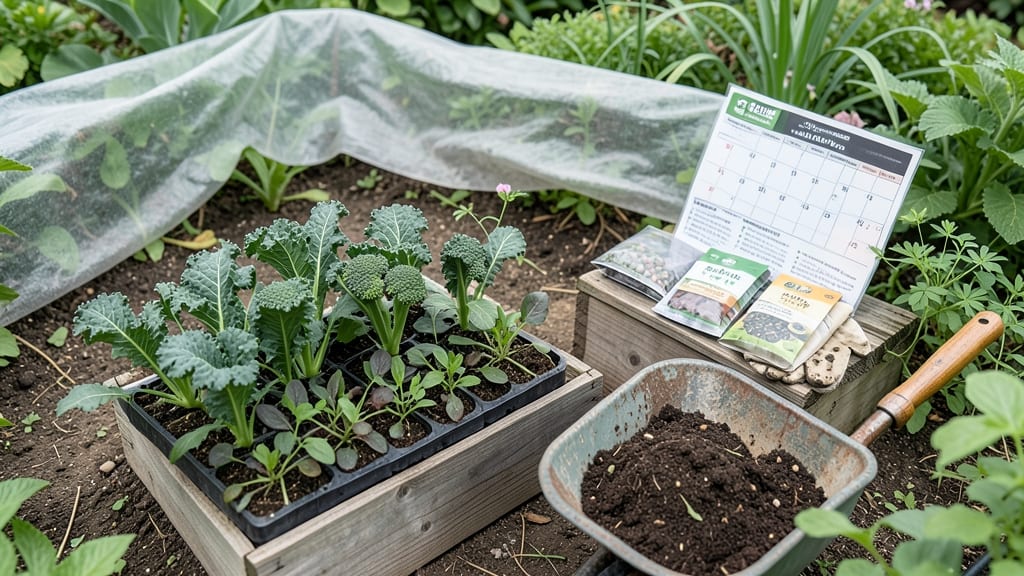
Planting your garden in Connecticut at the right time means the difference between a thriving harvest and a sad, frost-nipped disappointment.
Connecticut’s unpredictable spring weather can make timing your garden planting a real challenge—get it wrong, and you risk frost damage or stunted growth. But with the right frost dates and planting schedule, you can maximize your harvest and avoid common gardening mistakes.
Most General Garden Plants 🌱 thrive when planted after the last frost, which in CT’s 5b-6b zones typically falls between mid-April and early May. Coastal areas may warm up a week earlier, while inland spots can lag behind.
Below, I break down the best planting months for vegetables, flowers, and herbs, plus how to adjust for late springs and regional microclimates—so you can finally get that garden right.
Connecticut frost dates by Zone: when to expect last & first frosts
Connecticut’s USDA Hardiness Zones 5b-6b create a unique gardening challenge, with coastal areas often experiencing earlier springs and later falls than inland regions. Knowing your last spring frost and first fall frost dates is critical for timing plantings and protecting tender crops.
These dates vary by just 2-3 weeks across the state, but those differences can mean the difference between a thriving garden and a failed harvest.
According to NOAA and the CT Agricultural Experiment Station, most of Connecticut’s inland areas (like Hartford and New Haven) typically see their last spring frost between April 20-30, while coastal regions (Fairfield County, New London) can be 1-2 weeks earlier.
The first fall frost usually arrives between October 10-20 inland and October 20-30 near the coast. These variations mean gardeners in Bridgeport might plant tomatoes 2 weeks earlier than those in Willimantic.
Here’s how to use this data to plan your garden. First, identify your exact microclimate—urban areas can be 5°F warmer than rural spots just miles away. Then, use the 10-day rule: Wait 10 days after your average last frost before planting frost-sensitive crops like tomatoes and peppers.
For cool-season crops like spinach and kale, you can plant 4-6 weeks before the first frost.
For coastal Connecticut (Fairfield, New Haven, New London counties), the longer frost-free season (170-180 days) allows for earlier plantings of warm-season crops. I’ve successfully started tomato seedlings indoors in early March and transplanted them by May 1 in my Bridgeport garden.
In contrast, gardeners in northern Connecticut (Litchfield, Hartford counties) often wait until mid-May to plant the same crops, giving them a shorter growing season.
Protecting your garden from unexpected frosts is easier than you think. Use row covers or cold frames to extend your season by 2-4 weeks in both spring and fall.
For example, I’ve used floating row covers to plant spinach in early April and kale in late September, adding 30 extra days to my harvest window. Even a simple black plastic mulch can warm soil by 5-10°F, helping tender crops like peppers establish faster.
Don’t rely solely on averages—monitor local forecasts and use frost-sensitive plants as early warning systems. Plant a tender basil or marigold a week before your planned transplant date.
If they survive overnight temperatures, it’s safe to plant your tomatoes and eggplants. This natural indicator method has saved my garden from late-season frosts more than once.
For fall planting, aim to sow cool-season crops like broccoli and carrots by August 15 in most of Connecticut. These plants need 60-80 days to mature before the first frost, so timing is everything.
In Zone 6b, I’ve had success with garlic and onion sets planted in October, which establish roots before winter and produce early harvests the following summer.
Remember, soil temperature matters more than
Best planting months for vegetables, flowers & herbs in Connecticut
Timing your garden in Connecticut isn’t just about following a calendar—it’s about reading the soil temperature, tracking frost dates, and knowing which plants thrive in your microclimate. With USDA Zones 5b-6b, your planting window can shift by weeks from coastal areas to inland valleys.
For example, coastal New Haven often sees last frosts by April 15, while Hartford might wait until May 1. This means warm-season crops like tomatoes and peppers need to start indoors in March for coastal gardens but can wait until late April inland.
Cool-season vegetables—think spinach, kale, and carrots—are far more forgiving. You can plant them as early as March under row covers or wait until April for direct sowing.
Meanwhile, herbs like cilantro and parsley bolt in summer heat, so they’re best sown in early spring or late summer. Flowers like marigolds and zinnias can handle both spring and fall plantings, while perennials like lavender should go in early spring for established roots before summer stress.
- 🌱 March-April: Start cool-season veggies (spinach, peas, lettuce) and hardy herbs (parsley, cilantro). Begin indoor seedlings for tomatoes, peppers, and basil.
- 🌿 May: Plant warm-season crops (tomatoes, squash, beans) after last frost. Direct-sow marigolds and nasturtiums for pest control.
- ☀️ June-July: Succession plant bush beans, radishes, and summer lettuce. Transplant herbs (basil, dill) and flowers (zinnias, sunflowers).
- 🌻 August-September: Sow fall crops (kale, carrots, beets) and cool-season flowers (pansies, snapdragons). Extend harvests with succession planting.
- 🍂 October: Plant garlic and hardy perennials (lavender, thyme). Cover tender plants with row fabric before first frost.
For container gardening, adjust your timeline by 2-3 weeks later than in-ground planting. Pots warm up faster in spring, but they also dry out quicker, so warm-season crops like peppers may need to wait until late May to avoid transplant shock.
If you’re using black plastic mulch or row covers, you can push warm-season planting back by 10-14 days, giving you an extra harvest window before frost.
Don’t overlook succession planting—it’s your secret weapon for a longer harvest. For example, sow bush beans every 2 weeks from May through July to enjoy fresh pods all summer.
Similarly, radishes mature in just 30 days, so you can plant them every 2 weeks until August for a steady supply. Even flowers like nasturtiums benefit from staggered plantings to extend their bloom time.
Pro tip: Use soil thermometers to guide planting. Most warm-season crops need soil temps of at least 50°F (10°C), while cool-season veggies tolerate 40°F (4°C) soils.
In coastal CT, soil warms up faster, so you can plant tomatoes by May 1, but inland areas might need to wait until May 15. Always check the UConn Home & Garden Education Center for real-time updates on frost predictions.
Remember, Connecticut’s growing season is short—about 165 frost-free days in most areas. By planning ahead and using these seasonal guidelines, you’ll avoid the heartbreak of frost-nipped tomatoes or bolted herbs.
Start with the cool-season crops in spring, follow up with warm-season stars, and end with fall favorites for a garden that gives back all year.