
Planting
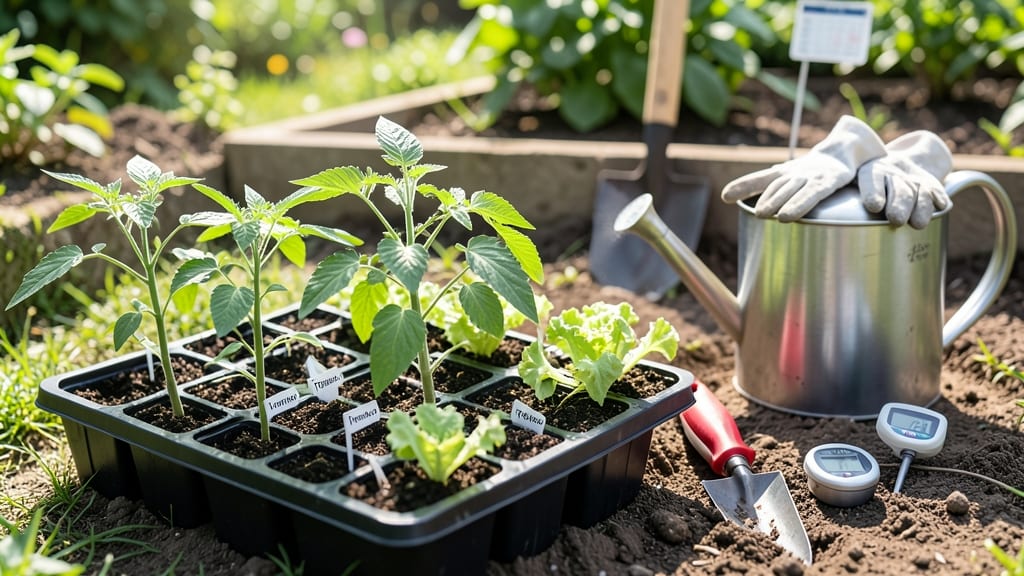
Planting a garden in Virginia at the right time means the difference between a bumper crop and a sad, frost-nipped disappointment.
Virginia’s diverse climate—from the coastal plains to the mountains—means your garden’s success hinges on timing. Plant too early and risk frost damage; too late, and your harvest may never arrive.
Whether you’re in the 7a-8a zones of the Piedmont or the milder Coastal Plain, knowing when to start seeds indoors, transplant seedlings, and sow directly is the key to a thriving 🌱 General Garden.
Below, I break down the exact frost-free dates by region, the best planting windows for your favorite crops, and how to adjust for Virginia’s unpredictable weather—so you can finally get the harvest you’ve been dreaming of.
Virginia planting zones and frost-free dates by region
Virginia spans USDA hardiness zones 6b through 8a, creating dramatic differences in planting schedules from the coastal Tidewater region to the mountainous Appalachian foothills. The last spring frost can arrive as early as mid-March in Zone 8a (southeastern Virginia) or as late as mid-April in Zone 6b (mountains).
These variations mean your tomato plants might go in the ground in May in one part of the state while still needing row covers in April elsewhere.
Understanding your microclimate is key—urban heat islands in Richmond can push frost dates earlier by 1-2 weeks compared to rural areas, while valleys and low-lying spots often experience later frosts.
The first fall frost also varies wildly: expect early October in the mountains but potentially mid-November near the coast. This guide breaks down the essential dates and regional nuances to help you plan your garden like a pro.
| Region | USDA Zone | Avg. Last Spring Frost | Avg. First Fall Frost | Cool-Season Planting Window | Warm-Season Planting Window |
|---|---|---|---|---|---|
| Tidewater (Norfolk, Virginia Beach) | 8a | Mid-March | Mid-November | Feb 15 - Apr 15 | Apr 1 - May 15 |
| Coastal Plain (Richmond, Hampton Roads) | 7b | Late March | Early November | Feb 20 - Apr 10 | Apr 15 - May 10 |
| Piedmont (Charlottesville, Lynchburg) | 7a | Early April | Late October | Mar 1 - Apr 5 | Apr 20 - May 5 |
| Blue Ridge Mountains (Roanoke, Blacksburg) | 6b | Mid-April | Early October | Mar 15 - Apr 1 | May 1 - May 15 |
For cool-season crops like kale, spinach, and broccoli, you can start seeds indoors 6-8 weeks before your last frost date—so late January to early February in most of Virginia. These hardy plants can often handle light frosts and may even taste sweeter after a freeze.
In Zone 8a, you might squeeze in a fall planting of these greens as late as September 15 for a winter harvest.
Warm-season crops like tomatoes, peppers, and squash demand patience—wait until soil temperatures reach at least 60°F (usually 2-3 weeks after your last frost). In Zone 6b, this often means mid-May, while Zone 8a gardeners can plant by early April.
Pro tip: Use a soil thermometer to confirm readiness, especially in microclimates like urban gardens that warm up faster.
Fall planting offers a second chance for cool-season crops like carrots and radishes. Aim to plant these 8-10 weeks before your first frost, which translates to late July to early August
Best planting times for Virginia’s top 10 vegetables and herbs
Virginia’s diverse microclimates mean your tomatoes and basil thrive in different windows depending on whether you’re in Zone 7b or Zone 8a. Cool-season crops like spinach and kale can handle early spring or late fall, while peppers and sweet potatoes need warm soil.
Container gardening shifts timing slightly—warmer pots heat up faster, but they also dry out quicker. Let’s break down the perfect planting calendar for Virginia’s most popular crops, with pro tips for both in-ground and container setups.
For warm-season vegetables like tomatoes, peppers, and cucumbers, the rule is simple: wait until soil temperatures hit at least 60°F.
In Zone 7b, that’s typically late April to early May, while Zone 8a gardeners can start as early as mid-March in protected containers. Cool-season crops, including lettuce, carrots, and radishes, are more forgiving—you can plant them 4-6 weeks before your last frost date, often as early as mid-February in containers or early March in-ground.
- 1. Tomatoes and Peppers: Plant 2-3 weeks after last frost (Zone 7b: May 1-15; Zone 8a: April 1-15). Use black plastic mulch to warm soil faster in containers.
- 2. Sweet Potatoes: Start slips 2 weeks after last frost in Zone 7b (May 15) or 1 week after in Zone 8a (April 20). Hill soil around stems for larger yields.
- 3. Basil and Cilantro: Sow seeds after soil reaches 55°F (Zone 7b: late April; Zone 8a: mid-March). Container basil grows faster but needs daily watering in summer.
- 4. Spinach and Kale: Plant 4-6 weeks before last frost (Zone 7b: February 15; Zone 8a: January 15) for spring harvest. Succession plant every 2 weeks for continuous yield.
- 5. Green Beans: Sow seeds 1 week after last frost (Zone 7b: April 20; Zone 8a: March 25). Bush beans mature faster than pole beans—ideal for containers.
- 6. Carrots and Radishes: Direct-sow 2-3 weeks before last frost (Zone 7b: March 1; Zone 8a: February 15). Thin seedlings to 2 inches apart for larger roots.
- 7. Fall Crops: Plant lettuce and turnips August 1-15 for harvest before first frost (Zone 7b: October 15; Zone 8a: November 1). Use row covers to extend season.
Container gardening changes the game for Virginia’s shorter growing seasons. Since pots warm up faster, you can start warm-season crops like peppers 2-3 weeks earlier than in-ground planting.
For example, I’ve had success transplanting tomato seedlings into 5-gallon containers by April 1 in Zone 7b, even if the ground is still chilly. Just remember: container soil dries out faster, so mulch heavily and water daily in summer.
For herbs like basil, containers let you bring them indoors before frost, giving you fresh leaves all winter.
Don’t overlook fall planting—it’s when Virginia gardeners get their second harvest of the year. Cool-season crops like broccoli and kale thrive in September sowings, especially in Zone 8a. Aim to plant 8-10 weeks before first frost (Zone 7b: July 15; Zone 8a: August 1).
Use black plastic mulch to keep soil warm longer and row covers to protect tender seedlings from unexpected late-summer heatwaves. I’ve had spinach bolt less when planted in partial shade during hot afternoons.
Pro tip: Mark your calendar for Virginia’s average last frost dates, but stay flexible. Microclimates near bodies of water or in urban heat islands can delay frost by 1-2 weeks. For example, Norfolk (Zone 8a) often has 2-3 more frost-free weeks than Charlottesville (Zone 7b)