
Planting
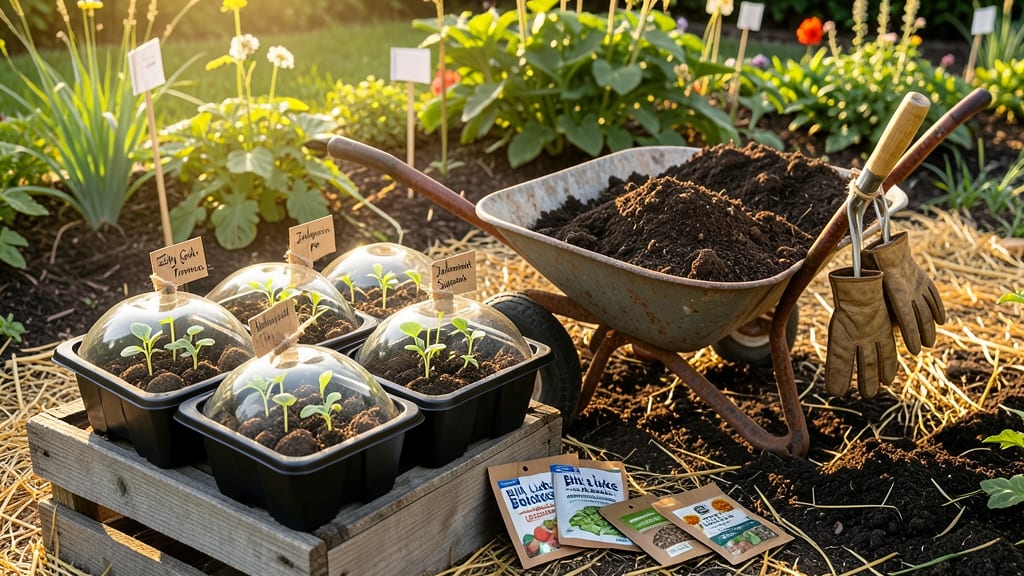
Planting your garden in Tennessee at the right time means the difference between a bumper crop and a sad, wilted disappointment 🌱.
Tennessee’s diverse climate—from humid East Tennessee valleys to the cooler highlands—means your garden’s success hinges on planting at the perfect time. Get the wrong timing, and your seedlings could freeze; plant too late, and pests or heat will sabotage your harvest.
This guide breaks down the exact weeks to plant cool-season crops like peas and spinach (as early as February in some zones) and warm-season favorites like tomatoes and peppers (wait until after mid-April’s last frost).
You’ll also discover how to stretch your growing season with row covers, avoid common mistakes, and use Tennessee’s unique microclimates to your advantage—so you can enjoy fresh harvests from spring through fall.
Tennessee planting zones: frost dates and ideal start times by region
Tennessee spans USDA zones 4a–7b, creating dramatic differences in frost dates and planting windows. In the highland regions of East Tennessee (like zone 6a), gardeners face earlier frosts, while West Tennessee’s zone 7b enjoys longer growing seasons.
Understanding these variations ensures you plant cool-season crops—like kale and peas—before the last frost or warm-season crops—such as tomatoes and squash—after it passes. Let’s break down the exact weeks to plant by region.
For Nashville (zone 7a), the last spring frost typically arrives around March 25–April 5, while Knoxville (zone 6b) sees its last frost 2–3 weeks earlier (March 10–20). Chattanooga (zone 7a) aligns closely with Nashville, but East Tennessee’s highlands (zone 6a) can experience frosts as late as April 15.
These microclimates mean your planting schedule should adjust by 2–4 weeks depending on elevation and location.
Here’s the critical data you need: first frost dates range from October 20 (zone 7b) to November 15 (zone 6a), giving you 180–220 frost-free days. This window determines whether you can grow two crops of tomatoes or stretch your fall greens into December.
Use this comparison table to pinpoint your ideal planting windows for both cool-season and warm-season crops.
| Region/Zone | Last Frost Date | First Frost Date | Cool-Season Start (Weeks Before Last Frost) | Warm-Season Start (Weeks After Last Frost) | Key Microclimate Notes |
|---|---|---|---|---|---|
| East TN Highlands (6a) | April 1–15 | November 5–15 | 6–8 weeks before (Feb 15–March 1) | 3–4 weeks after (May 1–15) | Higher elevations; shorter season. Use row covers for early starts. |
| Knoxville (6b) | March 10–20 | November 10–20 | 5–6 weeks before (Feb 1–15) | 2–3 weeks after (April 15–May 1) | Mountain valleys; cooler nights. Plant peppers after May 15. |
| Nashville (7a) | March 25–April 5 | October 25–November 5 | 4–5 weeks before (Feb 20–March 10) | 2 weeks after (April 10–20) | Urban heat islands; warmer microclimates. Start eggplants in April. |
| Chattanooga (7a) | March 20–April 1 | October 20–November 1 | 4–5 weeks before (Feb 15–March 10) | 2–3 weeks after (April 10–May 1) | River valleys; longer frost-free periods. Ideal for southern varieties. |
| West TN (7b) | March 15–25 | October 15–25 | 3–4 weeks before (Feb 1–15) | 1–2 weeks after (March 30–April 10) | Humid subtropical; earlier warm-season starts. Plant okra by April 1. |
For cool-season crops like lettuce or spinach, aim to plant 4–6 weeks before your last frost.
This means late February to early March in West Tennessee but early March to mid-March in the highlands. Warm-season crops, such as beans or corn, should wait until 2–3 weeks after your last frost—typically mid-April to early May—to avoid chilly soil, which stunts growth.
Adjust for microclimates: A south-facing slope in Nashville may warm up 1–2 weeks earlier than a north-facing yard. Similarly, urban areas like Memphis (zone 7b) can push planting dates 10–14 days earlier than rural areas.
Monitor soil temperature—warm-season crops need soil at 60°F+, while cool-season crops thrive in 40–50°F.
Pro tip: Use frost cloth to extend your spring planting window by 2–3 weeks in zone 6a. For fall crops, start broccoli or carrots in early August to harvest before the first frost. In West Tennessee, you can even plant radishes in October for a
Best crops to plant now (spring) vs. fall in Tennessee’s climate
Tennessee’s spring and fall seasons offer prime opportunities to grow thriving gardens, but timing is everything. Spring planting (March–April) focuses on cool-season crops that tolerate Tennessee’s 50–70°F soil temperatures, while fall (August–September) lets you harvest hearty vegetables before winter.
The difference? Disease resistance and flavor intensity peak when plants mature in ideal conditions—not too hot, not too cold.
For example, asparagus and peas thrive in spring’s mild temperatures, while kale and radishes flourish in fall’s cooler air. Planting at the wrong time can lead to bolting (premature flowering) or pest infestations. Let’s dive into Tennessee’s don’t-miss crops for each season and why timing matters.
🌱 Spring Planting (March–April)
- Asparagus crowns – Plant 4–6 weeks before last frost (early March) for 3–5 year harvests. Needs full sun and well-draining soil.
- Peas (sugar snap, snow) – Sow 2–3 weeks before last frost (late February–early March). Thrives in cool, moist soil; avoid summer heat.
- Lettuce (leaf, romaine) – Start seeds 4–6 weeks before last frost (March). Harvest 30–50 days; succession plant every 2 weeks.
- Spinach – Plant 3–4 weeks before last frost (late February). Prefers 50–65°F soil; bolts in heat.
- Onions (sets/transplants) – Set out 4–6 weeks before last frost (March). Needs full sun and consistent moisture.
🍂 Fall Planting (August–September)
- Kale (curly, lacinato) – Sow 60–80 days before first frost (late July–early August). Sweeter after light frost; disease-resistant varieties like ‘Winterbor’ excel.
- Broccoli – Plant 70–90 days before first frost (mid-August). Needs fertile soil and consistent water to avoid bitter flavors.
- Radishes – Grow 25–30 days; sow every 2 weeks until September. Prefers cool soil; harvest before bolting.
- Carrots – Plant 80–100 days before first frost (late July). Loose, stone-free soil prevents forked roots.
- Garlic (fall-planted) – Set cloves 4–6 weeks before ground freezes (October). Overwinters for sweeter bulbs next summer.
Why does timing matter? Spring crops like lettuce bolt (go to seed) if planted too late, while fall crops like kale develop sweeter flavors after light frost. Tennessee’s humid climate also means disease pressure (e.g., powdery mildew) spikes in summer, so fall planting avoids these issues.
For example, broccoli planted in August matures before fungal diseases take hold.
Pro tip: Use row covers in early spring to protect seedlings from late frosts, and mulch heavily in fall to insulate roots. My don’t-miss list for spring? Asparagus (long-term payoff), peas (easy pollination), and radishes (fast harvests). For fall, prioritize kale (hardy and nutritious) and garlic (low-maintenance).
Remember, Tennessee’s microclimates vary—highland areas (e.g., East Tennessee) have cooler springs, while West Tennessee can hit 90°F by May. Adjust planting dates by 1–2 weeks based on your zone. With the right timing, your garden will reward you with bountiful harvests twice a year! 🌱