
Planting
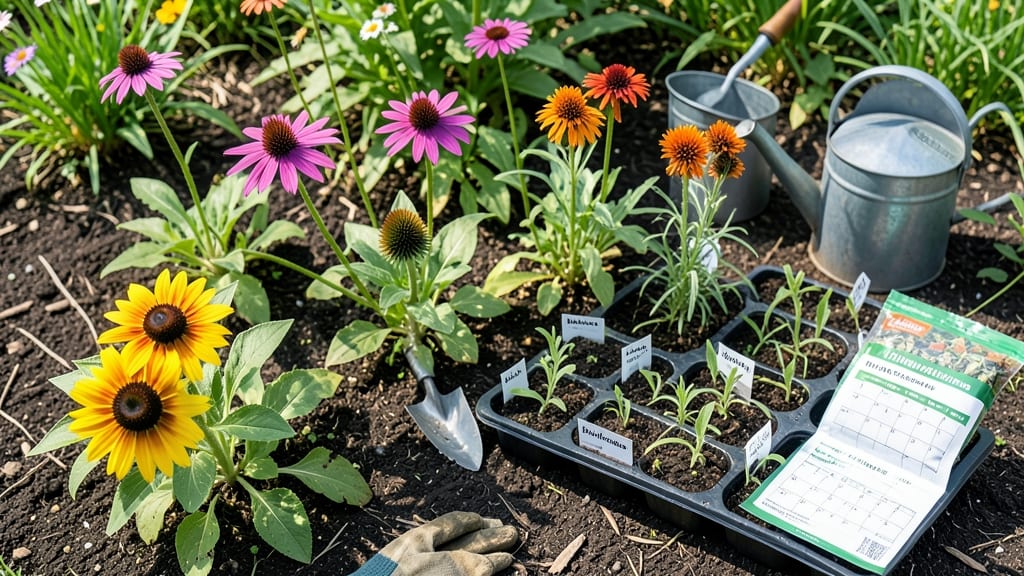
The best time to plant a garden in Tennessee depends on your crop and county—spring is the golden window, but timing it right means the difference between a bountiful harvest and a sad, stunted mess.
Picture this: you’ve prepped the soil, ordered seeds, and cleared your schedule for planting day—only to wake up to frost the next morning. Tennessee’s climate throws curveballs, with USDA zones 6–8 meaning frost dates can vary by weeks between East Tennessee’s valleys and Middle Tennessee’s urban heat islands.
This guide cuts through the guesswork with frost-free windows by county, so you know exactly when to plant everything from tomatoes to kale—plus how to adjust for microclimates, soil, and even elevation.
You’ll walk away with a customized planting schedule, tips to extend your season, and the confidence to avoid the most common mistakes Tennessee gardeners make every year.
Tennessee’s frost-free dates by region: when to plant cool vs. warm-season crops
Tennessee’s USDA hardiness zones 5a–7b create dramatic differences in frost-free windows, from late February in Memphis (Zone 7b) to early May in the Smoky Mountains (Zone 5a).
These dates separate cool-season crops (like lettuce and peas) from warm-season crops (like tomatoes and peppers). Planting outside these windows risks frost damage or poor germination.
Your county’s last average frost date determines when to plant warm-season crops, while the first average frost date dictates when to harvest or cover cool-season crops in fall.
For example, Nashville’s urban heat island can delay frost by 1–2 weeks compared to rural areas, while valleys in East Tennessee often experience frost 10–14 days earlier.
Below is a region-by-region breakdown of Tennessee’s frost-free windows, including cool-season planting windows (spring/fall) and warm-season planting windows (summer). Use these as your guide to align planting with your local climate—because timing is everything in Tennessee gardening!
| Region | USDA Zone | Last Frost (Avg.) | First Frost (Avg.) | Cool-Season Planting Window | Warm-Season Planting Window |
|---|---|---|---|---|---|
| West Tennessee (Memphis, Jackson) | 7a–7b | March 1–15 | November 15–30 | February–April, August–October | April 1–May 15 |
| Middle Tennessee (Nashville, Chattanooga) | 6a–7a | March 15–April 1 | October 15–November 15 | March–April, August–September | April 15–May 1 |
| East Tennessee (Knoxville, Bristol) | 5b–6b | April 1–15 | October 1–15 | April–May, July–August | May 1–June 1 |
| Highland Tennessee (Smoky Mountains) | 5a–5b | April 15–May 1 | September 15–October 1 | May–June, July–August | June 1–July 1 |
*Dates vary yearly; use local weather forecasts for real-time adjustments.
In West Tennessee (Zones 7a–7b), like Memphis, you can plant warm-season crops as early as March 1, giving you a longer growing season for tomatoes, peppers, and squash.
Meanwhile, East Tennessee’s cooler climate (Zones 5b–6b) pushes warm-season planting back to May 1, so opt for fast-maturing varieties like bush beans or zucchini.
For cool-season crops, plant spinach and peas in February–March in West Tennessee, but wait until April–May in the Smoky Mountains. Fall planting follows the reverse: kale and broccoli thrive when seeded in August–September across most regions, but highland areas should aim for July–August to avoid early frosts.
Microclimates add complexity. Urban Nashville may see 2–3°F warmer nights than rural areas, delaying frost by 1–2 weeks. Conversely, valleys in East Tennessee can experience frost 10–14 days earlier than nearby ridges.
Use row covers or cold frames to extend seasons in cooler pockets, while succession planting every 2 weeks ensures continuous harvests.
Pro tip: Test your soil in early spring to confirm it’s 60°F+ before planting warm-season crops. Cold soil slows germination and invites damping-off disease. In highland areas, harden off transplants gradually to avoid shock from temperature swings.
Missed the frost-free window? Don’t panic. Container gardening lets you grow warm-season crops like peppers indoors until late April, then transplant outside. For cool-season crops, use low tunnels to protect seedlings from late frosts in May.
Remember: Frost dates are averages. Check local weather alerts in spring/fall, and adjust planting by 1–2 weeks if forecasts predict early or late frosts. With the right timing, Tennessee’s gardeners can enjoy two full harvests of nearly every crop—just plant smart!
How to adjust planting times for Tennessee’s microclimates and soil conditions
Tennessee’s varied landscapes—from the Smoky Mountains to the Memphis Delta—create unique gardening challenges. Elevation shifts can delay frost by weeks, while urban heat islands in Nashville accelerate soil warming.
To thrive, you’ll need to fine-tune planting times based on your local microclimate and soil drainage. Let’s break down how to adapt your schedule for peak success.
Start by identifying your USDA hardiness zone. East Tennessee’s Zone 6-7 areas (like Sevier County) often face later last frosts (mid-April), while West Tennessee’s Zone 7b-8a (like Shelby County) may see frost-free soil by March 15th.
Use these dates as your baseline, then adjust for elevation (+300 feet = ~1 week later) and soil moisture (clay holds cold longer than sandy loam).
-
🌡️ Cooler Microclimates (e.g., Smoky Mountains)
- Use row covers to extend spring by 2–3 weeks
- Start warm-season crops (tomatoes, peppers) in cold frames by March 1st
- Plant cool-season crops (spinach, kale) as early as February 15th
-
🔥 Warmer Microclimates (e.g., Memphis)
- Begin warm-season planting by March 1st (earlier than most guides)
- Use succession planting every 2 weeks for beans, cucumbers
- Avoid fall planting after October 15th (humidity risks disease)
-
💧 Soil Adjustments for Drainage
- Test soil pH (aim for 6.0–7.0 for most veggies)
- Amend clay soil with compost and gypsum before planting
- Raise beds in wet areas to prevent root rot
For mountain gardens, prioritize cold-hardy varieties like broccoli or cabbage, which tolerate 30°F nights.
In lowland areas, opt for heat-tolerant Okra or Southern peas to beat summer’s humidity. Soil temperature is your best guide: Use a soil thermometer—warm-season crops need 60°F+ soil, while cool-season crops thrive at 45–55°F.
Extend your season with seasonal tools. Floating row covers add 4–6°F protection, while black plastic mulch warms soil 5–10°F faster in spring. In Zone 7+, you can even grow winter greens (like collards) under low tunnels until February. Just remove covers during pollination for vegetables like squash.
Don’t forget succession planting—a game-changer for Tennessee’s short growing season. For example, plant lettuce every 2 weeks from March to September to avoid bolting.
In hotter zones, stagger bean varieties (early, mid, late) to spread harvests. Keep a planting journal to track what works in your microclimate—next year’s garden will thank you!
Pro tip: Monitor local weather via NOAA frost charts or your county extension office. In 2023, Nashville’s last frost shifted 10 days later than the 30-year average—proof that climate data evolves. Adjust your calendar yearly for peak timing. 🌱