
Planting
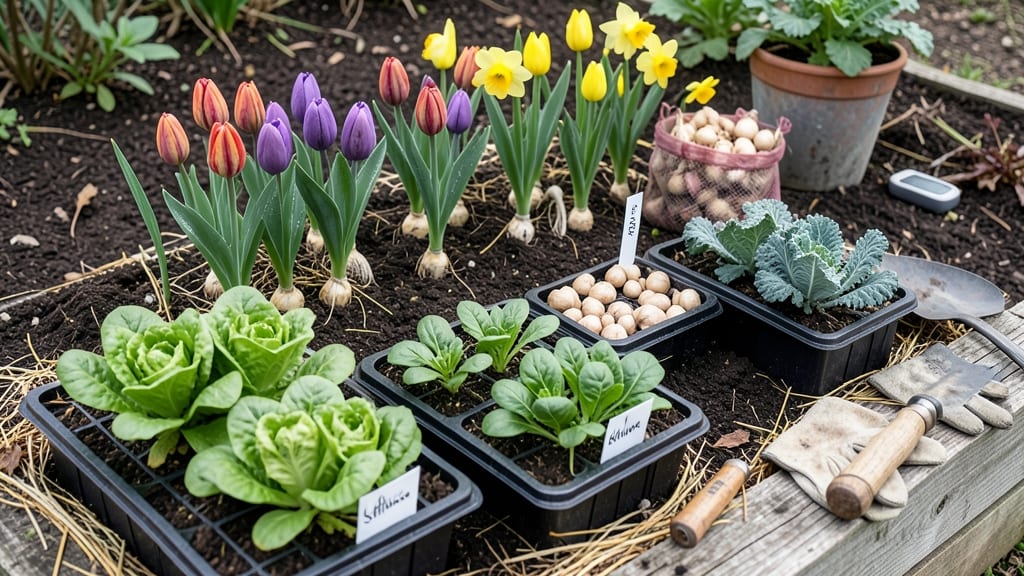
Planting your garden in East Tennessee after the last frost date—typically mid-April—is the key to avoiding frost damage and maximizing your harvest.
East Tennessee’s unpredictable spring frosts can turn your gardening dreams into a gamble unless you time it just right. One late freeze and your tender seedlings become a sad, wilted memory. But with the right strategy, you can beat the odds and enjoy a thriving garden from spring through fall.
This region’s USDA Zones 7a and 7b offer a longer growing season than you might think, but the window for planting warm-season crops like tomatoes and peppers is narrow.
Cool-season crops like spinach and kale, on the other hand, can handle early planting—even before the last frost—so long as you protect them with row covers.
Below, I’ll break down the exact planting windows for your favorite crops, share frost-proofing tips for high-altitude areas, and help you avoid the five mistakes that ruin East Tennessee gardens every year.
East Tennessee planting calendar: exact dates by crop type for zero-frost success
East Tennessee’s USDA Zones 7a and 7b offer a 165-day frost-free window, but timing is everything. The average last frost date hovers around mid-April in Knoxville and Chattanooga, while first frosts typically arrive by mid-October.
These windows create perfect conditions for both cool-season crops (like spinach and broccoli) and warm-season staples (tomatoes, peppers) if you plant at the right time.
For cool-season crops, start seeds indoors 6-8 weeks before your last frost date—that’s around late February for hardy greens. Transplant seedlings outdoors 2-3 weeks before the last frost to give them a head start.
Meanwhile, warm-season crops like tomatoes and peppers need soil temperatures above 60°F, which usually happens by mid-May. Waiting too long risks stunted growth, while planting too early guarantees frost damage.
Below is your East Tennessee planting calendar, broken down by crop type and microclimate variations between Knoxville, Chattanooga, and higher elevations like Tellico Plains. Use this as your frost-proof planting guide to maximize yields and avoid common timing mistakes.
🌱
For Knoxville and Chattanooga, mid-April is your last call for cool-season crops.
If you’re in higher elevations like Tellico Plains, push back planting by 2-3 weeks to account for later frosts. Tomatoes and peppers should never go in before May 15 in most areas—soil temperature is more critical than air temperature.
Pro tip: Use black plastic mulch to warm soil faster for warm-season crops, or floating row covers to protect cool-season greens from unexpected late frosts. I’ve saved entire broccoli plants this way more times than I can count!
Don’t overlook fall planting—East Tennessee’s second growing season (late July to October) is perfect for kale, carrots, and radishes. These crops thrive in cooler temps and often produce sweeter harvests when grown in fall. Just remember: plant by mid-August to harvest before the first frost.
🌿
If you’re new to East Tennessee gardening, seed packet dates can be misleading. They’re based on national averages, not your
How to adjust planting timing for East Tennessee’s microclimates and frost risks
East Tennessee’s microclimates create a gardening puzzle—where Tellico Plains (Zone 7a) might see frost in May while Cleveland (Zone 7b) enjoys warmer spells. The key to success? Flexible timing strategies that account for elevation shifts of just 1,000 feet changing frost risks dramatically.
High-altitude areas like Tellico Plains (2,000+ ft elevation) often face 2-3 weeks later planting windows compared to lower elevations like Knoxville. Use these microclimate adjustments to protect your garden from unexpected late-spring frosts that can wipe out tender seedlings overnight.
East Tennessee Planting Timing Strategies
- Extends spring planting by 3-4 weeks
- Protects tomatoes, peppers, basil from 28°F frosts
- Costs $10-$20 per 100 sq ft
- Requires sturdy hoops for snow/rain
- Reduces light by 30%—not ideal for shade-sensitive plants
- Must remove during hot days (>85°F)
- Extends fall harvests by 6-8 weeks
- Works for leafy greens, herbs, strawberries
- Can raise soil temps by 10-15°F
- Requires ventilation to prevent overheating
- Limited to small-scale planting (2x4 ft max)
- High initial cost ($50-$150)
- Ensures continuous harvests of lettuce, radishes, beans
- Reduces wasted space between crops
- Works for both spring and fall gardens
- Requires detailed record-keeping of planting dates
- Some crops (corn, squash) don’t respond well
- Labor-intensive for large gardens
*Best for high-altitude areas: Combine row covers + cold frames for maximum frost protection.
For high-altitude gardens (above 2,500 ft), delay warm-season planting until May 15—even if lower elevations are planting in early April. Monitor the National Weather Service’s Knoxville forecast for frost advisories and adjust your schedule accordingly.
In lower elevations like Chattanooga, you can safely plant tomatoes and peppers as early as April 15 if you use black plastic mulch to warm the soil. Test soil temperatures with a soil thermometer—most warm-season crops need 60°F+ for consistent germination.
My top microclimate hack? Plant a test row of bush beans (they’re frost-tolerant) in early April. If they thrive, your tomato seedlings are likely safe to transplant. If the beans struggle, wait another 2 weeks before risking heat-lovers like peppers or eggplants.
Remember: Fall planting in East Tennessee offers a second chance for cool-season crops. Start spinach and kale by August 15 for harvests before first frost (typically October 15). Use straw mulch to insulate soil and extend the season.