
Planting
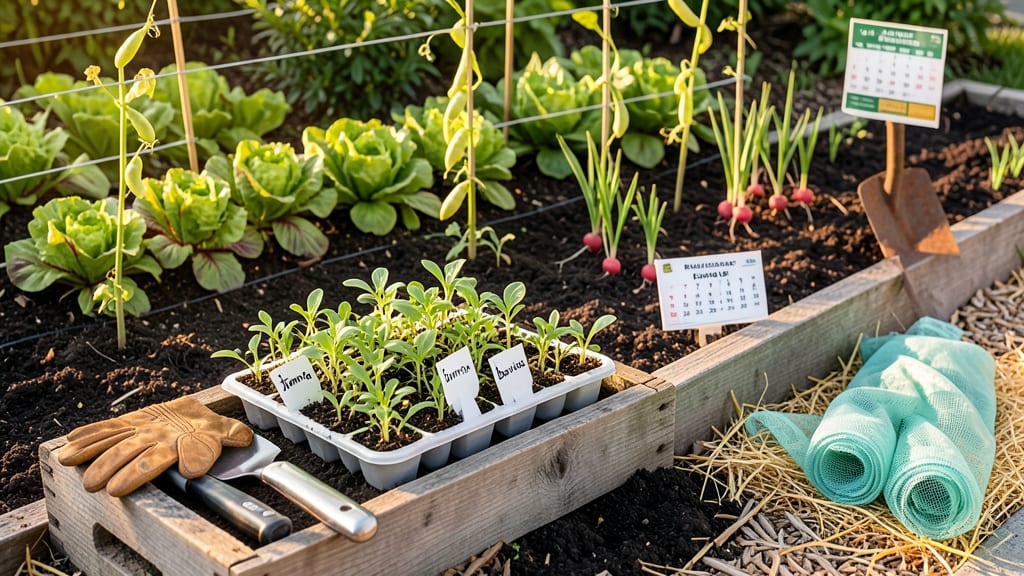
Planting your garden in Pennsylvania at the right time means the difference between a bountiful harvest and a sad, wilted disappointment — and the USDA Zones 6-7 deadlines are your roadmap to success.
Pennsylvania’s unpredictable spring weather can turn a gardener’s carefully planned planting schedule into a gamble—but knowing the exact USDA Zone 6-7 deadlines transforms guesswork into guaranteed harvests.
Whether you’re in Pittsburgh’s cooler climate or Philadelphia’s slightly warmer pockets, timing matters more than seed quality. Miss the window for tomatoes, and you’ll get leafy vines instead of juicy fruit. Plant peas too late, and they’ll bolt before you even taste them.
Below, I’ll break down the critical planting windows by region, share the 5-4-3 Rule for high-risk crops, and show you how to stretch your season with simple tricks that work—no matter what Mother Nature throws at you.
Pennsylvania’s last frost dates by region: critical planting windows for zones 6-7
Pennsylvania’s USDA Zones 6-7 offer diverse planting opportunities, but last frost dates vary dramatically across regions. In Erie, the average last frost arrives by May 15th, while Philadelphia typically sees its final frost around April 20th.
These differences mean your tomato plants might thrive in one part of the state while still risking frost damage in another.
Understanding these regional variations helps you time heat-sensitive crops like peppers and eggplants perfectly. For example, Pittsburgh’s last frost date averages May 5th, giving you just enough time to start warm-season veggies after the spring equinox.
Meanwhile, Harrisburg gardeners can plant cold-hardy greens like spinach as early as March 15th, while waiting until May 10th for cucumbers.
Here’s the key: Historical frost data shows that while averages provide guidance, actual last frosts can occur 2-3 weeks earlier or later. That’s why I always use row covers for early plantings and monitor 10-day forecasts closely.
The Penn State Extension recommends waiting until 5 consecutive days above 50°F before planting warm-season crops—a rule that saves many a gardener’s back from lost seedlings.
Let’s break down the critical planting windows by region, including cold-hardy vs. heat-loving crops and the risk factors you should watch for.
| Region | Avg Last Frost | Cold-Hardy Crops (Plant By) | Heat-Loving Crops (Plant After) | Risk Factor |
|---|---|---|---|---|
| Philadelphia (Zone 7b) | April 20 | Spinach, Peas (Mar 15) | Tomatoes, Peppers (May 15) | Late frosts common |
| Pittsburgh (Zone 6b) | May 5 | Lettuce, Radishes (Mar 20) | Cucumbers, Beans (May 20) | Unpredictable spring swings |
| Harrisburg (Zone 6a) | April 28 | Kale, Carrots (Mar 10) | Peppers, Eggplants (May 10) | Soil warms slowly |
| Erie (Zone 6a) | May 15 | Onions, Broccoli (Mar 25) | Melons, Okra (May 25) | Lake-effect delays |
Notice how Philadelphia’s earlier last frost allows for earlier plantings of warm-season crops compared to Erie, where lake breezes can delay warming. This regional variation is why I always test soil temperatures—aim for 60°F+ for tomatoes and 70°F+ for peppers before committing seedlings to the ground.
For cold-hardy crops like peas and spinach, I start seeds indoors 4-6 weeks before the average last frost. In Pittsburgh, that means late February plantings for an early April harvest.
Meanwhile, heat-sensitive crops like squash and beans should wait until two weeks after your region’s last frost date to avoid chilling injury.
Pro tip: Use frost cloth to extend your planting window by 2-3 weeks for tender crops. I’ve successfully grown tomatoes in Pittsburgh as early as April 25th using this method. Just remember to remove covers during the day to prevent overheating.
Historical data shows that late frosts occur 10% of the time even after the average last frost date. That’s why I always keep a few extra seedlings on hand or use succession planting for crops like lettuce and radishes.
For example, in Harrisburg, I’ll plant radishes every 2 weeks from March through May
How to adjust planting dates for Pennsylvania’s unpredictable weather patterns
Pennsylvania’s spring weather can be a gardener’s worst nightmare—one day it’s 65°F and sunny, the next, a 28°F freeze hits overnight. Relying on 30-year averages alone won’t cut it when your tomatoes or peppers are at stake.
The key? Flexible strategies that let you adapt in real time while still hitting those USDA Zone 6-7 deadlines.
Instead of planting by the calendar, I use a mix of short-term forecasts, soil thermometers, and proven tricks like row covers and succession planting. These methods help me extend the growing season by 2-4 weeks—critical for crops like cucumbers and beans that need warmth to thrive.
Let’s break down how to make it work for your garden.
⚠️ Warning: Don’t Plant Too Early!
Even if your 10-day forecast looks perfect, a single late frost can wipe out seedlings. Use the ‘5-4-3 Rule’: Wait until you’ve had 5 consecutive days above 50°F, with no frost predicted in the next 3 weeks. For high-risk crops like eggplants, add 2 extra weeks of buffer time.
Start by monitoring soil temperatures—not just air temps. Most warm-season crops (think squash and corn) need soil at 60°F or warmer. A simple soil thermometer ($10 at garden centers) will save you from planting too soon.
I’ve seen tomato seedlings rot in 50°F soil because the roots couldn’t absorb nutrients fast enough.
For cold-hardy crops like kale or spinach, use row covers or cold frames to push planting dates back by 3-4 weeks. I’ve successfully grown lettuce in late August by covering it with floating row covers—the extra insulation buys you 2-3 more harvests before frost.
Just remember to ventilate on warm days to avoid overheating.
Succession planting is my secret weapon for unpredictable weather. Instead of planting all your beans or radishes at once, stagger them every 2 weeks. This ensures a continuous harvest even if one batch gets hit by a late frost or heatwave.
For example, I plant bush beans in 3 batches: early May, late May, and early June. If the first batch fails, I still have two more chances.
When interpreting forecasts, focus on 10-day trends over 30-year averages. A La Niña year (like 2023) often brings colder springs, while El Niño years tend to be milder. Check the NOAA Climate Prediction Center for regional outlooks.
I also set up frost alerts on my phone—apps like Frost Advisory send notifications when temps drop below 32°F, giving me time to cover vulnerable plants.
Finally, keep a gardening journal to track what works in your microclimate. Note the exact dates you planted, when you saw sprouts, and any weather surprises.
Over 3 years, I’ve adjusted my tomato planting from mid-May to late May in my Zone 6b garden—cutting my risk of frost damage by 50%. With these strategies, you’ll turn Pennsylvania’s unpredictable weather into a growing advantage instead of a headache. 🌱