
Planting
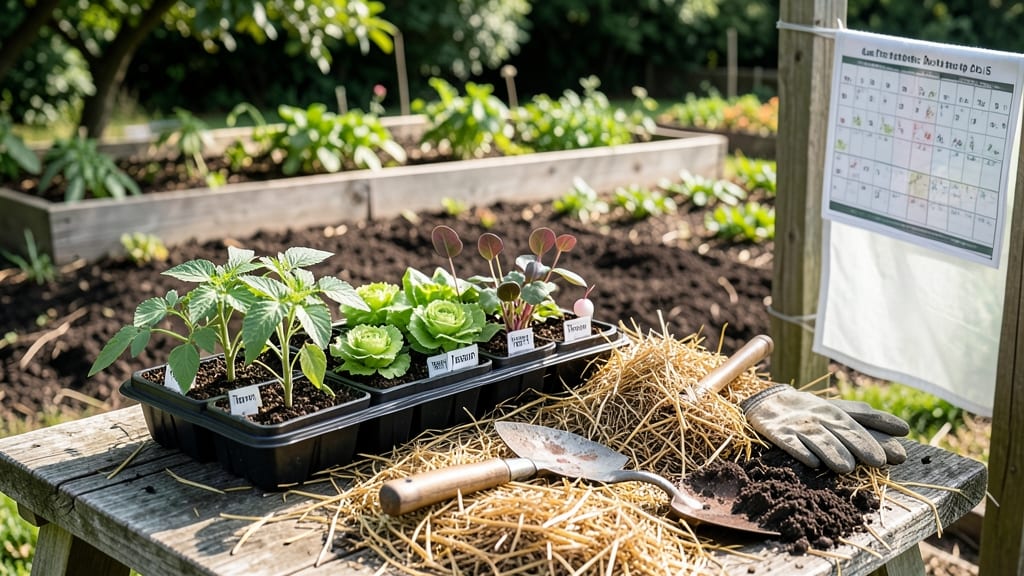
To plant a garden in Pennsylvania at the right time means catching that narrow window between frost and heat—miss it, and your hard work could vanish in a flash.
Pennsylvania’s Zone 6A/6B climate demands precision: cool-season crops need to go in 4–6 weeks before the last frost (usually mid-April), while warm-season plants like tomatoes and peppers wait until after that date.
Get it wrong, and you’re either shoveling seedlings into the compost pile or watching summer harvests fade before they ripen.
Here’s what you need to know: a crop-by-crop schedule that aligns with PA’s frost dates, soil temps, and microclimates—plus how to adjust when Mother Nature throws curveballs like late springs or early frosts. No more guessing, just peak yields and fewer wasted seeds.
We’ll break down the best planting times by month, which plants thrive in early spring, and how to protect tender seedlings when the weather turns unpredictable. Ready to grow like a pro? Let’s dig in.
Pennsylvania’s last frost dates & ideal planting windows by month
Pennsylvania’s Zone 6A/6B climate creates a unique gardening challenge: last frost dates can vary by 10-14 days between regions like Philadelphia (earlier) and Pittsburgh (later). Most areas experience their average last frost between April 15–May 15, but microclimates near lakes or valleys may delay frost by weeks.
Understanding these windows ensures your cool-season crops thrive before summer heat arrives.
For warm-season plants like tomatoes and peppers, waiting until two weeks after the last frost is critical—they cannot tolerate frost. Meanwhile, cool-season crops (spinach, kale, carrots) should start 4-6 weeks before your last frost date.
The 10-day rule helps: if nighttime temps stay above 50°F (10°C) for 10 consecutive days, it’s safe to plant frost-sensitive seedlings.
Here’s how to use this guide: first, locate your specific last frost date using the USDA’s Plant Hardiness Zone Map (PA ranges from 5b-7a).
Then, adjust planting windows based on your region. Southern PA (e.g., Reading) can plant earlier, while north-central PA (e.g., State College) may need to wait.
Pro tip: Use row covers or cold frames to extend your planting window by 2-4 weeks in early spring or late fall. These tools create a microclimate that protects young plants from unexpected frosts. For example, you can plant lettuce or radishes in late March under covers, even if frost is still possible.
Below is your month-by-month planting schedule, tailored to PA’s climate. The summary-table breaks down cool-season vs. warm-season crops, including ideal soil temps and transplanting tips. For example, peas and spinach can handle 40°F (4°C) soil temps, while tomatoes need 60°F (15°C) to thrive.
| Month | Cool-Season Crops (Plant Before Last Frost) | Warm-Season Crops (Plant After Last Frost) | Soil Temp Requirement | Transplanting Tip |
|---|---|---|---|---|
| March | Peas, Spinach, Lettuce, Onions, Potatoes | — | 40–50°F (4–10°C) | Use row covers for frost protection |
| April | Carrots, Radishes, Kale, Broccoli, Beets | Start tomatoes/peppers indoors | 45–60°F (7–15°C) | Hardening off seedlings for 10 days |
| May | Late plantings: Bush beans, Swiss chard | Tomatoes, Peppers, Cucumbers, Squash | 60–70°F (15–21°C) | Wait 2 weeks after last frost |
| June | Succession plant: Lettuce, Radishes | Eggplant, Okra, Sweet Potatoes | 70°F+ (21°C+) | Mulch to retain soil moisture |
| July–August | Fall crops: Spinach, Arugula | — | 50–60°F (10–15°C) |
Best crops to plant in early spring (March–April) for zone 6A/6BMarch and April in Pennsylvania’s Zone 6A/6B offer the perfect window to kickstart your garden with cold-hardy crops. These early spring plants thrive in 40–55°F soil and can handle light frosts, giving you a jumpstart on the growing season. The key is timing—plant too early, and frost will nip seedlings; too late, and you’ll miss peak harvests. Let’s dive into the top 8 crops to sow now, whether indoors or outdoors, plus their ideal soil temps and spacing tips. For direct sowing outdoors, wait until soil temps reach 40°F (use a soil thermometer to check). Most of these crops can handle light frost, but protect them with row covers if a hard freeze is forecasted. If you’re starting indoors, begin seeds 4–6 weeks before your last expected frost date (usually mid-April in most of PA). Use seedling trays with well-draining soil and keep them under grow lights for 12–16 hours of light daily. 🌱 Top 8 Early Spring Crops for Zone 6A/6B
Don’t forget to amend your soil before planting—mix in compost or aged manure to boost nutrients. These crops love well-draining soil with a pH of 6.0–7.0. For succession planting, sow radishes and lettuce every 2 weeks to ensure a steady harvest. If you’re short on space, interplant fast growers like radishes with slower crops like carrots. Pro tip: Use mulch (straw or shredded leaves) to retain soil moisture and suppress weeds. This is especially important in Zone 6A/6B, where spring rains can lead to soggy soil. Monitor your garden for pests like slugs (common on lettuce and peas) and aphids (on cilantro). A neem oil spray or diatomaceous earth can keep them at bay without harsh chemicals. By mastering these early spring crops, you’ll enjoy fresh homegrown greens, roots, and herbs long before summer heat sets in. Start with 2–3 varieties, then expand next year based on what thrives in your garden. Happy planting! |